


Death risk on world roads: Rate is 6 times higher in poor countries
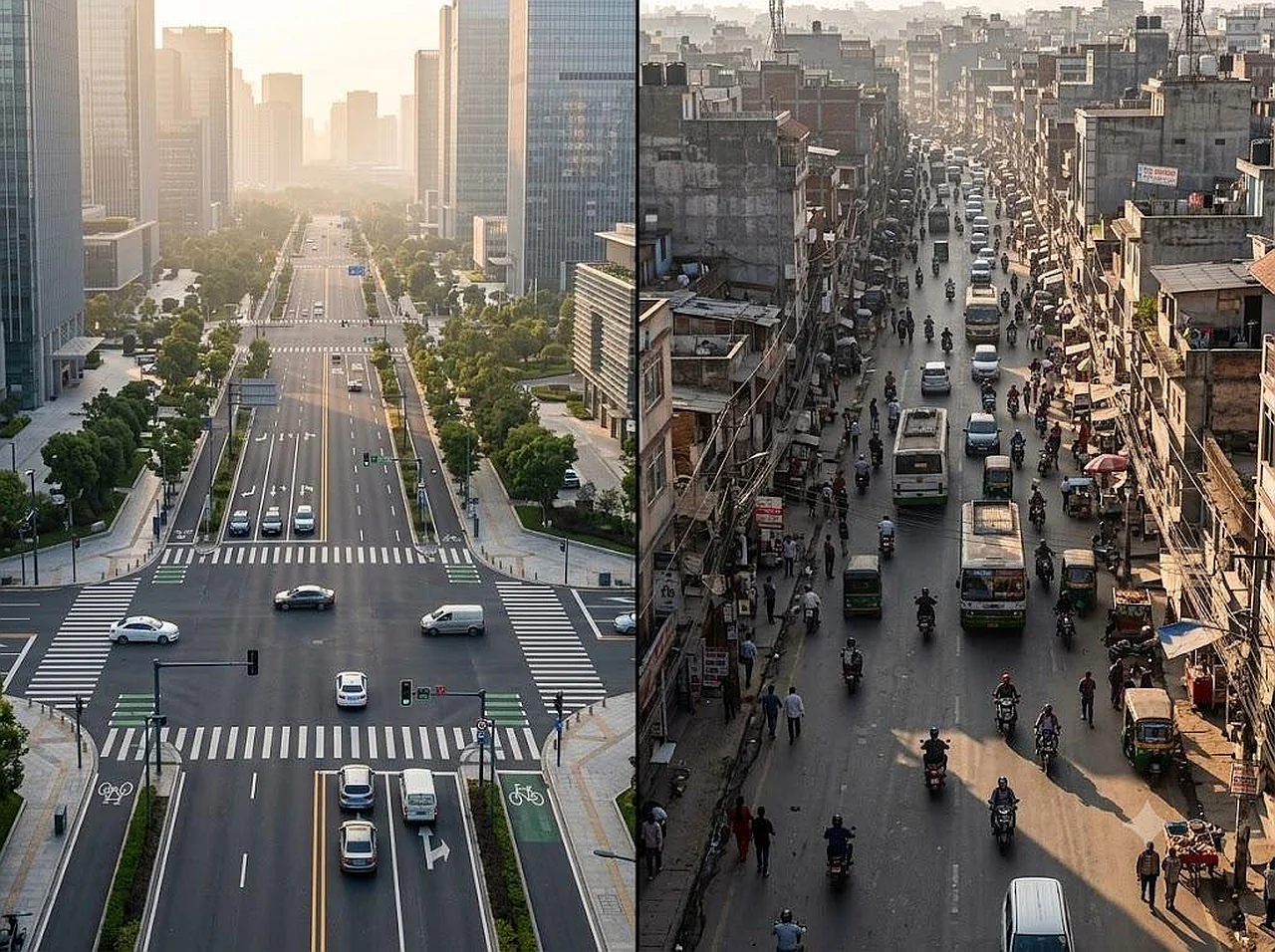
While injuries and deaths from road traffic accidents are declining globally, these positive changes are not occurring uniformly across all countries. According to a new study published in The Lancet Public Health, the risk of death on roads in low-income countries is six times higher than in wealthy nations. This is reported by Ixbt.com reports .
According to statistical data, from 1990 to 2023, road-related injuries decreased by 38.3 percent, and deaths by 32.3 percent. However, in the last decade, the situation has worsened in several countries, such as the USA and Ghana. In 2023 alone, 50.9 million injuries were recorded worldwide, 1.34 million of which had tragic outcomes.
The link between income level and safety
Researchers note that the biggest disparity is linked to the economic status of countries. Although high-income nations have a high number of accidents, nearly 90 percent of all road deaths occur in poor countries. In such regions, there are 43.8 deaths per 100,000 people, while in developed countries, this figure is only 7.5.This problem remains urgent for developing countries like Uzbekistan. The sharp increase in the number of vehicles and the pace of urbanization outpacing road infrastructure and safety measures are key risk factors. According to The Lancet report, weak enforcement of seatbelt usage and deficiencies in emergency medical systems in poor countries are contributing to high mortality rates.
Road traffic accidents pose a serious threat, especially to the younger generation. Among men aged 10 to 39, accidents remain a leading cause of death. According to World Health Organization (WHO) data, road tragedies are the number one factor ending the lives of children and young people aged 5 to 29.
Modern risk factors: Smartphones and large vehicles
Experts also listed new trends negatively affecting road safety. The following factors are currently seen as major problems:- Drivers being distracted by mobile phones while driving;
- The increase in large vehicles with high hoods (SUVs and pickups), which poses a higher risk of severe injuries for pedestrians;
- Road infrastructure not being adapted to the needs of pedestrians and cyclists;
- Vehicles not meeting safety standards.
It is emphasized that to achieve this goal, not only technical measures but also raising driver culture and ensuring the rule of law are of decisive importance.


Comments 0
…