


Pentagon increases space launch program budget to $17 billion
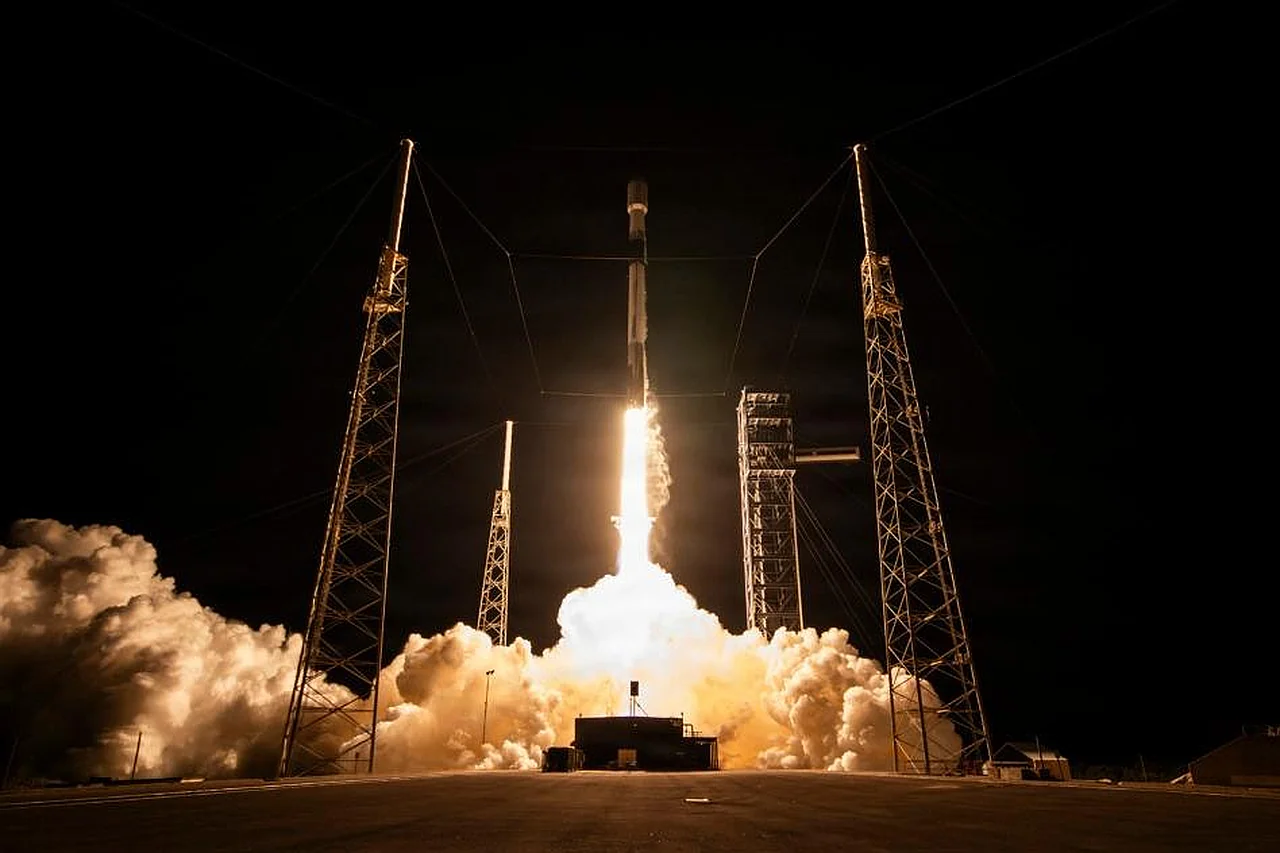
The U.S. Department of Defense has decided to drastically increase funding for the National Security Space Launch (NSSL) program. According to recent reports, the program's total budget has been increased by $11.4 billion, reaching a total of $17 billion. This is nearly three times the previous figure of $5.6 billion. This is reported by Ixbt.com .
This financial expansion serves to strengthen U.S. strategic superiority in space and accelerate the process of launching military satellites into orbit. According to Ixbt.com, the additional funds are expected to be distributed among 7 leading private companies selected under the program. This step confirms once again that the Pentagon's reliance on the private sector for developing space infrastructure is growing.
The role of the private sector in the military industry
The expansion of the NSSL program is not just about allocating funds, but signifies taking the use of private commercial systems in the U.S. defense system to a new level. Currently, the Pentagon is relying on the innovative solutions of private companies to shape its defense capabilities in space. This further strengthens the partnership between the state and business.Against the backdrop of these major investments, other smaller but strategically important projects are also being actively supported. For example, the startup Pulse Space, which is developing laser-based energy transmission systems between satellites in orbit, managed to secure a $40 million contract from the U.S. Space Force. Additionally, Beyond Reach Labs, a company creating large solar panel deployment equipment for satellites, attracted $10 million in investment.
New players and opportunities in the space market
The U.S. government is not overlooking suborbital research, in addition to major launches. Specifically, Spinifex Space announced that it will provide a full service cycle for suborbital flights. These services include mission organization, the use of private launch sites, and infrastructure for testing new technologies.In the age of modern technology, space has become an integral part of not only scientific research but also global security. The Pentagon's decision shows that the space race is gaining new momentum on the international stage. These processes are also interesting for specialists, as the expansion of the global space market will directly affect the price and quality of satellite communications and remote sensing services in the future.
In conclusion, the U.S. Department of Defense views space as a potential theater for future conflicts and aims to maximize cooperation with commercial companies in this direction. The new $17 billion threshold will lead to a sharp increase in the number of military assets launched into orbit in the coming years.


Comments 0
…