


Kyoto Fusioneering Begins Developing a New Device for Fusion Power Plants
Fusion energy typically focuses on the reactors themselves, which generate enormous amounts of power. However, according to ixbt.com and TechCrunch, such reactors cannot operate for long without the necessary auxiliary equipment, and building them is extremely expensive. That is why many startups prefer to outsource the rest of the infrastructure to specialized suppliers. TechCrunch.com reports this.
Among the dozens of companies emerging in the fusion supply chain, Japan’s Kyoto Fusioneering is one of the largest specialists. According to FusionX, the company has so far managed to raise $121 million in funding. It has now secured grants from the U.S. Department of Energy and Oak Ridge National Laboratory (ORNL) in Tennessee to build a prototype fuel-breeding device.
Alongside the announcement, Kyoto Fusioneering said it would move its U.S. headquarters to Oak Ridge. This confirms that the startup has become an important player in the industry. According to a recent survey by the Fusion Industry Association, more than half of fusion startups said they plan to work with external suppliers such as Kyoto Fusioneering on fuel-cycle technologies.
The Unity-3 Device and Its Significance
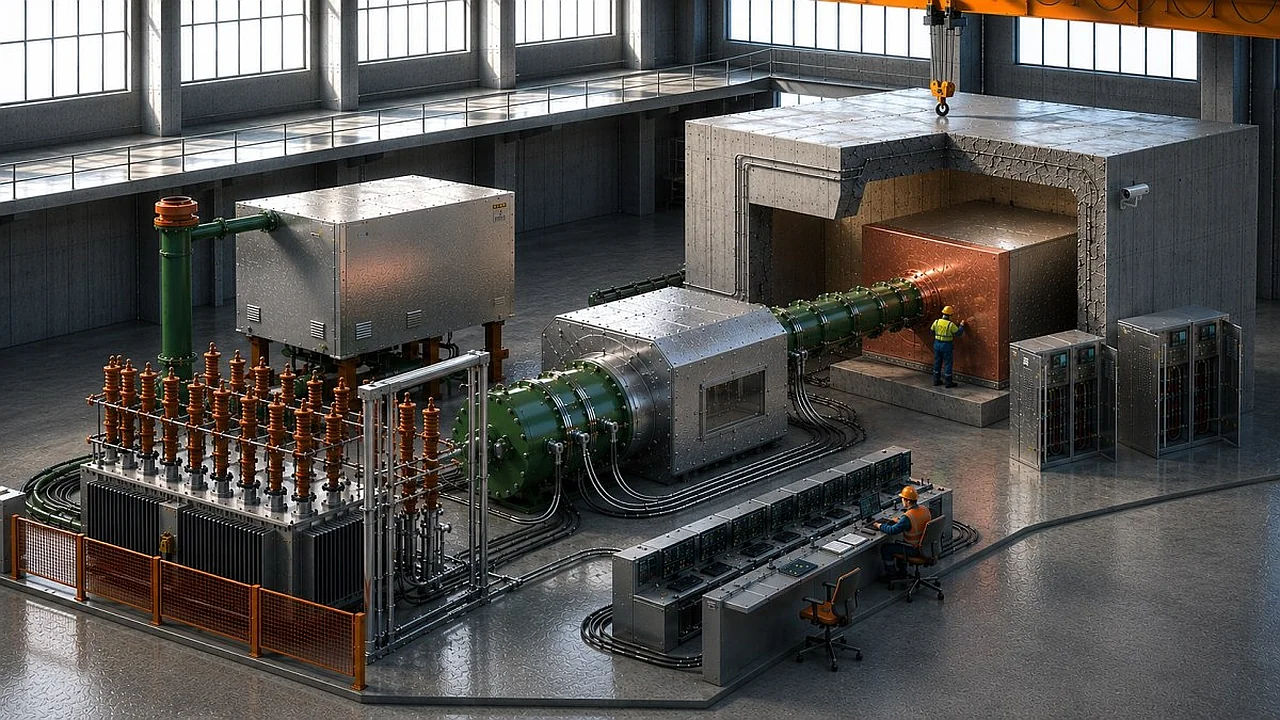
Kyoto Fusioneering’s upcoming Unity-3 device is being developed in collaboration with ORNL and will test a technology known as a “breeding blanket.” These blankets collect energy from a fusion reactor while also generating new fusion fuel. One such blanket design uses liquid lithium, which absorbs both heat and neutrons.When lithium atoms inside the blanket are bombarded by neutrons, they split into helium and tritium, a hydrogen isotope that is an important fuel for many reactor designs. The tritium is then extracted from the blanket and sent to the reactor, while the heat is recovered to generate power. All of this requires heat-resistant materials, specialized pumps, and other dedicated equipment.
Future Collaboration and Prospects
Kyoto Fusioneering is not limiting its work to blankets. It is also developing systems to heat fusion fuel into plasma, recycle unburned fuel from exhaust gases, and collect heat to generate electricity. The Unity-3 device will test the performance of not only liquid lithium but also other types of blanket materials.The new device will allow researchers and startups to validate in practice data that has so far been obtained mainly through computer models. In particular, other fusion startups such as Realta Fusion, Thea Energy, Type One Energy, and Xcimer Energy will use results from Unity-3 experiments when designing their reactors.


Comments 0
…