


Elon Musk announces sensational plan by SpaceX and NVIDIA
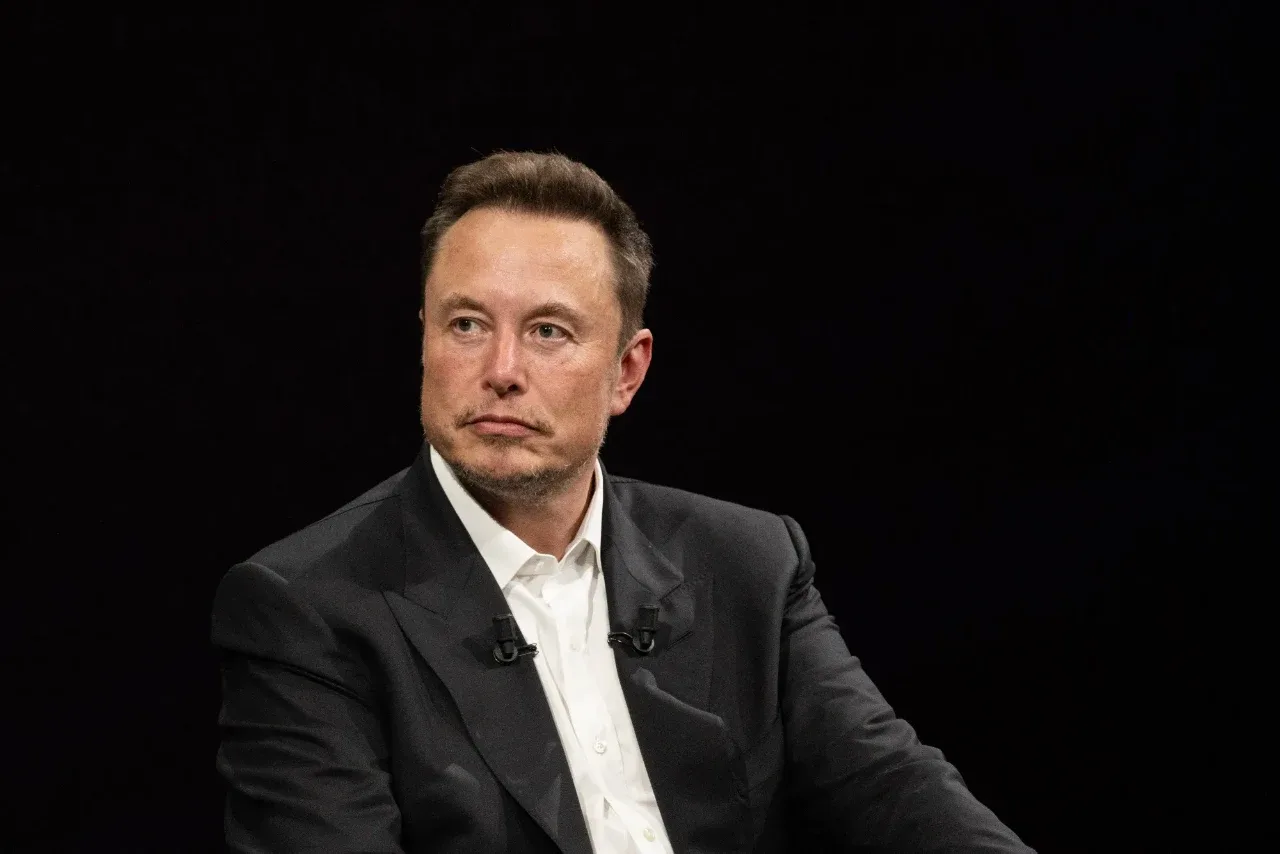
Famous American billionaire and inventor Elon Musk has revealed his next revolutionary step that is shaking the world of modern technologies. His aerospace company, SpaceX, is set to launch the latest generation of supercomputers from NVIDIA, the absolute global leader in the field of artificial intelligence, into open space. In a statement posted on his "X" (formerly Twitter) social media page, Musk announced that starting in 2027, NVIDIA's powerful Vera Rubin NVL72 AI computers will be regularly launched into Earth's orbit.
Through this technological shift, Earth's data centers will be gradually moved to space, establishing a new generation of satellite networks in Earth's orbit. For the first time in human history, placing AI infrastructure directly in open space is expected to bring global computing speed to a new level. So, why are the alliance of Elon Musk and Jensen Huang taking AI servers into space, what unprecedented advantages will the NVIDIA Vera Rubin system have in space compared to Earth conditions, and how will orbital data centers change global internet and the AI industry?
"We will start launching into space next year": Musk's announcement on X
The founder of SpaceX did not hide his confidence regarding future plans:
Official confirmation from Musk: "There is almost no doubt that SpaceX will start launching Nvidia VR NVL72 AI computers into space next year," the billionaire wrote;
Power of NVIDIA Vera Rubin NVL72: Built on NVIDIA's most powerful AI architecture, this system is capable of training and processing giant artificial intelligence models with trillions of parameters in real-time;
Orbital integration: Spacecraft and heavy rockets will now fly not just regular communication devices, but independent supercomputer modules as space platforms.
Data Centers in Space: Why orbit specifically?
Moving AI servers to space is not seen by experts as an accidental step:
Infinite source of solar energy: AI data centers on Earth require electricity on the scale of entire cities — while in space, solar panels provide continuous and high-capacity clean energy;
Natural cooling system: Millions of liters of water and air conditioning systems are spent on Earth to cool supercomputers, whereas the absolute cold environment of open space acts as a natural freezer to prevent chips from overheating;
Saving Earth's resources: Storing and processing data in orbit drastically reduces the burden on ecology and frees Earth's networks from heavy computations.
New generation satellites and the global communication revolution
Orbital computing centers will completely renew the global communication system:
On-site data processing: Commands and artificial intelligence requests sent from Earth will be analyzed instantly directly on servers in space without returning down;
Minimization of latency: The new generation orbital center will ensure the flawless operation of high-speed internet and AI services at cosmic speeds across the entire globe;
Integration with Starlink: SpaceX's thousands of Starlink satellites can merge with these supercomputers into a single digital mesh, turning Musk's empire into the largest AI provider on Earth and in space.
The launch of AI supercomputers into space in cooperation between Elon Musk and NVIDIA is clear proof that humanity is stepping out of Earth's scope into an era of space-scale supertechnologies.
Do you think moving AI servers and data centers to space is the right decision from a security standpoint, or does making all Earth technologies dependent on orbit pose a danger? Will this project by Elon Musk be enough to leave China and other competitors behind in the IT industry? Leave your thoughts in the comments and share this sensational analysis of the future of space and artificial intelligence with all your friends and technology enthusiasts!



Comments 0
…