


NASA to send three AI-powered rovers for lunar exploration
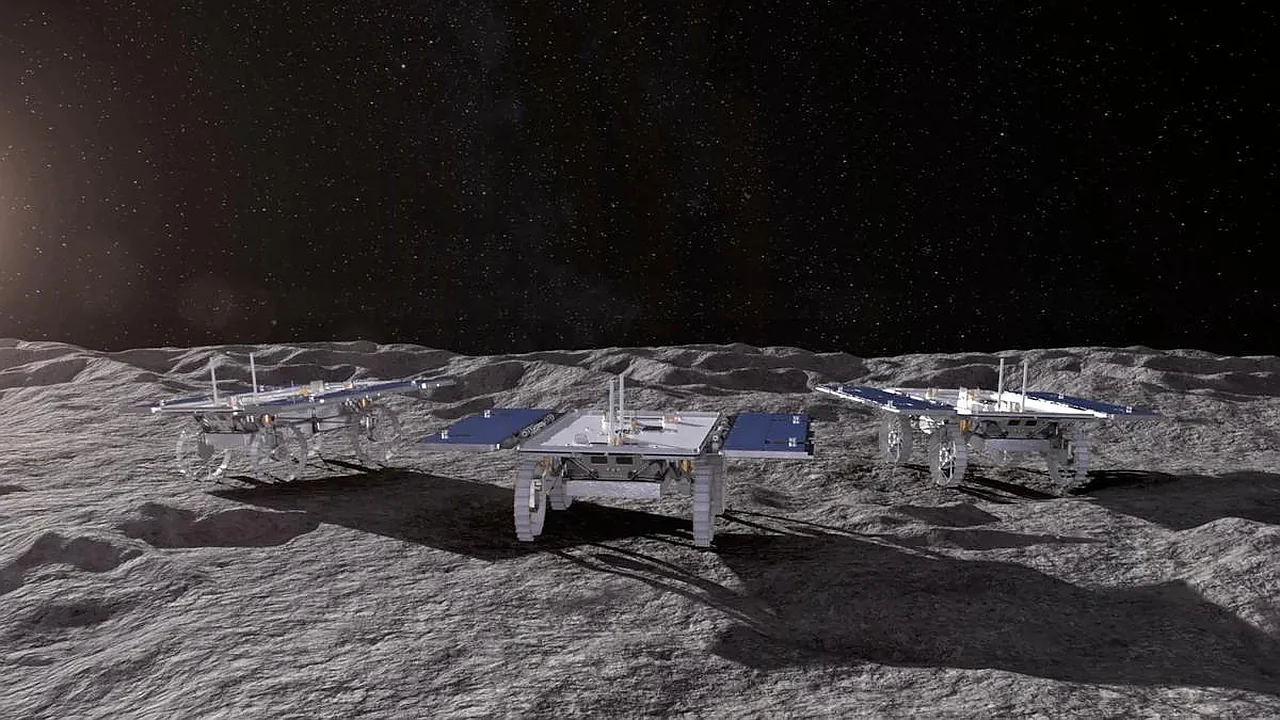
NASA is preparing to implement the CADRE (Cooperative Autonomous Distributed Robotic Exploration) project, which involves exploring the lunar surface collectively without direct control from Earth. According to Ixbt.com, this innovative mission will see three autonomous rovers head to the Earth's natural satellite in 2026 to perform scientific tasks independently without human intervention. This is reported by Ixbt.com reports.
The main goal of the new mission is to test the coordinated movement of several small devices using AI and mutual communication without constant commands from operators on Earth. Each small robot is equipped with special solar panels, modern cameras, and a powerful computing system that allows for independent decision-making.
Autonomous movement and task distribution on the Moon
According to plans, the three rovers will land in the Reiner Gamma region, located in the Oceanus Procellarum on the visible side of the Moon. Afterward, they will begin a deep study of the lunar surface and its subsurface layers using cameras and ground-penetrating radar. The devices will independently decide when to move, which route to choose, and how to bypass obstacles.Experts explain that operators only assign general tasks to the robots, such as "explore a specific area." After that, the rovers distribute the area and workload among themselves based on available resources and conditions. Each device charts a safe path and exchanges data with other units via a base station.
Extreme conditions and technical solutions
Due to the lack of an atmosphere on the Moon, the devices face intense solar radiation, and daytime temperatures on the surface can rise to 114 degrees. In addition, the calculations required for autonomous navigation generate extra heat. Therefore, engineers have divided the rovers' operation into special 30-minute cycles.After the activity period, the devices temporarily shut down to prevent overheating, cool down, and recharge their batteries using sunlight. Once restarted, they reconnect and continue their work. This 14-day short-term mission will serve to fully test the ability to work as a group in real lunar conditions.
This project builds on the successes of NASA's previous Mars programs. For instance, more than 90 percent of the Perseverance rover's movements are already performed autonomously, though the general direction is still set by Earth-based specialists. On the Moon, CADRE will reach a new level, where multiple devices must not only navigate together but also share and perform a common scientific task.


Comments 0
…