


Transplanted heart adopts the biological age of its new host
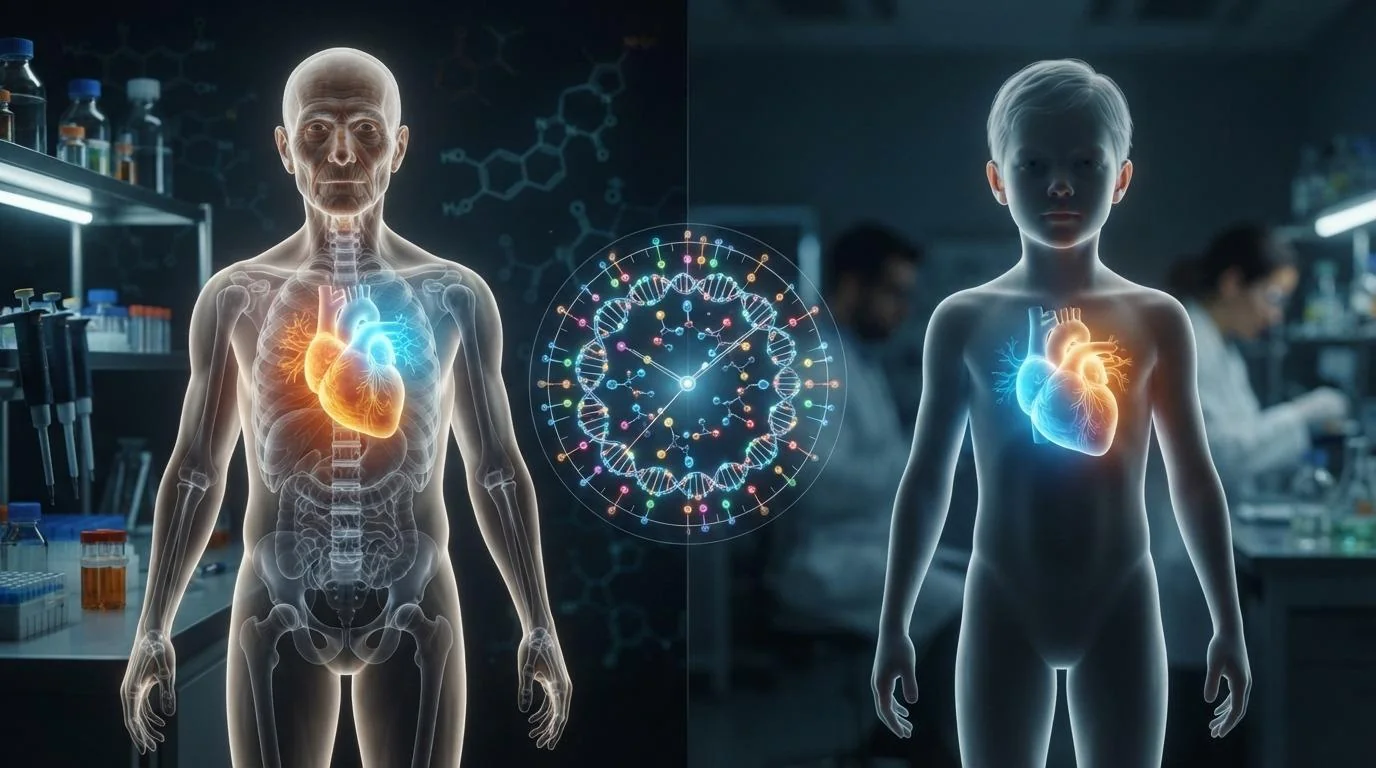
Researchers at Harvard Medical School have made a scientific discovery that could fundamentally change the key criterion used in selecting donor hearts: age. According to ixbt.com, experiments and clinical analyses have proven that a transplanted heart adapts to the biological age of the new organism, regardless of the donor's original age. This is reported by Ixbt.com reports.
Scientists initially performed a series of heterochronic transplantations using a special mouse model. Hearts were transplanted between genetically identical rodents of different ages. After four to six months, the biological age of the organs was assessed using three epigenetic clocks that analyze DNA methylation patterns.
The results showed that young hearts transplanted into older recipients experienced accelerated aging. Conversely, old hearts placed in a young organism rejuvenated significantly, with their biological age decreasing. Interestingly, this effect was specific to the transplanted organ itself, as other tissues of the recipient did not change their age.
Gene activity and cellular-level changes
Transcriptome analysis revealed the precise mechanisms of this process. In young hearts placed in an old organism, inflammatory pathways were activated, whereas in old hearts in a young recipient, inflammatory processes were suppressed. The most significant changes were recorded in mitochondrial processes, with their activity decreasing or recovering in line with the organ's aging or rejuvenation.Scientists also tested these scientific findings in humans. Archived myocardial biopsy samples from 11 patients with an age gap between donor and recipient were analyzed. Epigenetic clocks showed the same picture: the biological age of the transplanted heart matched the age of the recipient, not the donor.
Clinical significance and future possibilities
After one year, ECG, echocardiography, and cardiopulmonary stress tests involving hundreds of patients confirmed the clinical significance. The functional capacity of the lungs and oxygen consumption, which usually decrease with age, turned out to be dependent on the recipient's age rather than the donor's. Thus, post-operative physical work capacity is determined by the age of the organ's owner.The authors emphasize that the systemic environment of the organism is the main factor determining the biological age of the tissue. An old environment accelerates molecular damage, while a young environment slows it down. This discovery paves the way for optimizing the practice of transplanting older hearts into young recipients amid organ shortages.


Comments 0
…