


Salaries exceeding $2,000 and a new state award: President meets with educators
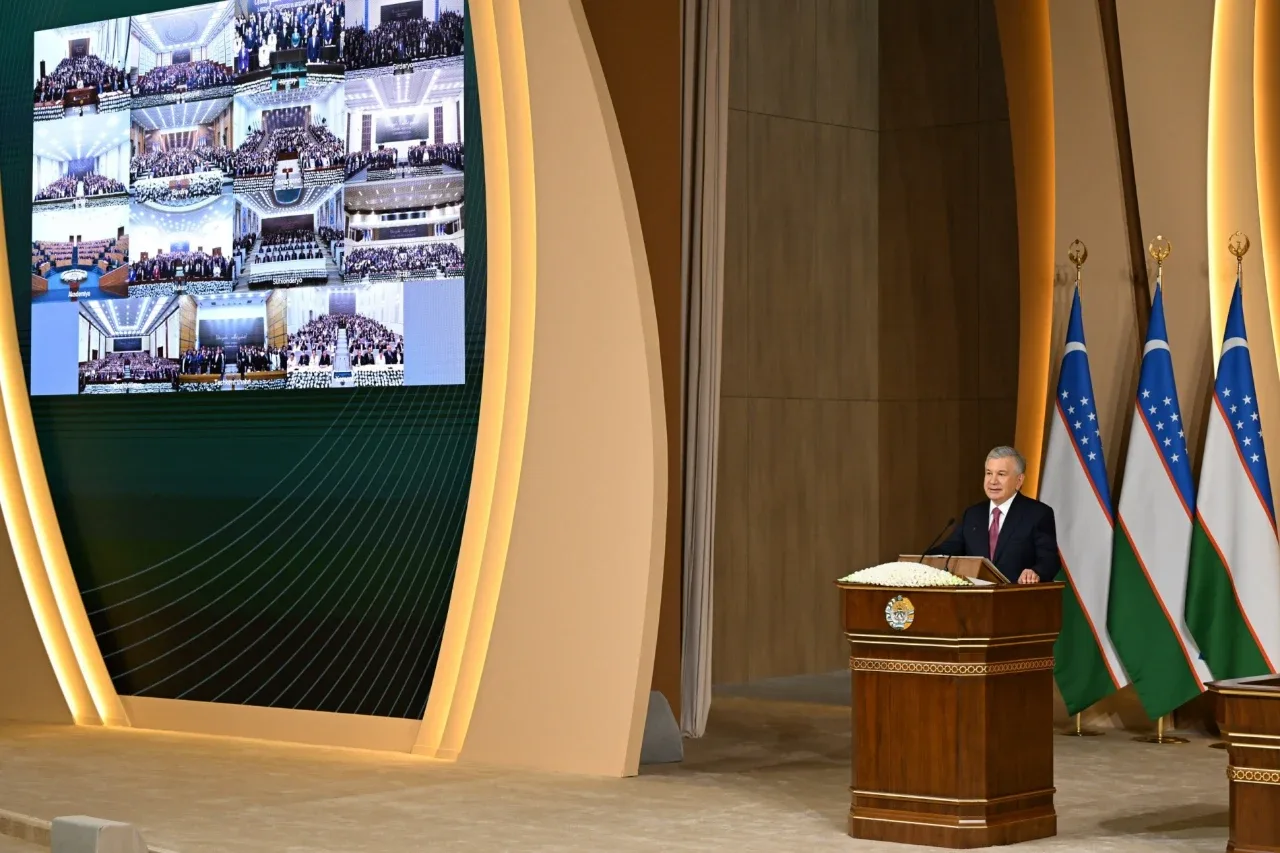
In Uzbekistan, on the eve of October 1 — Teachers and Trainers Day, a historic meeting took place that will determine the future of the country's education sector. President Shavkat Mirziyoyev held a face-to-face dialogue with devoted figures of the field, announcing a series of new initiatives aimed at elevating the status of teachers, fundamentally improving conditions in schools and kindergartens, and aligning higher education with the market economy.
The head of state noted that while modern artificial intelligence is changing teaching methods, no technology can replace a living mentor in reaching the hearts of youth:
"A teacher is a river of affection, a teacher is a spring of goodness, a teacher is the sun of enlightenment! We returned our children from cotton fields to school desks, and teachers from forced labor to the educational process. Honoring a mentor means honoring not just a profession, but the future of an entire nation!"
Educator incomes and the new Abdulla Avloniy award
At the meeting, high state awards were presented to education devotees, entrepreneurs, and foreign partners. At the same time, it was announced that a separate state award named after Abdulla Avloniy will be established for advanced teachers, with its first recipients to be honored on the eve of the holiday next year.
The following results were recorded in material incentives and quality indicators:
High salaries: Today, across the republic, 40,000 teachers receive salaries exceeding $1,000, and another 1.5 thousand receive more than $2,000.
Professional certification: The number of educators with international and national certificates has grown from 29,000 to 143,000 over 5 years, and the teacher shortage in the system has tripled.
Voucher system for advanced training: Instead of mandatory one-month traditional courses, professional development vouchers will be introduced. Teachers will independently choose training ranging from 18 to 72 hours based on their performance indicators.
School education: English-medium subjects, 100% bonuses, and new textbooks
With the aim of raising an independent and critically thinking generation, textbook reforms are being consistently continued. In the current year alone, 400 specialists were involved and 324 textbooks were revised. As a result of the reforms, 15-year-old students rose 32 positions to take 48th place in the natural sciences direction of the PISA ranking.
Starting from the new academic year, the following important changes will be implemented in the system:
Dividing exact science classes: If the number of students in a class exceeds 25, mathematics, physics, chemistry, and biology classes will be taught in two split groups.
Full English-medium education: Starting from the new academic year, mathematics, computer science, and natural sciences will be taught entirely in English in certain classes across 100 schools. Teachers of this project will be paid a 100 percent bonus.
Olympiads and incentives: Teachers with national certificates will receive a 50 percent bonus, and those who prepare Olympiad winners will directly receive the highest category. One thousand educators will be sent abroad for advanced training. Winners of 4th-grade science olympiads will be awarded computers, and their teachers will receive monetary prizes.
"Quality Index": School activities will be categorized based on a special rating. Advanced school teams that help raise the level of other institutions through their own experience will receive a 30 percent bonus.
Unprecedented privileges for private and inclusive education
In order to satisfy the high demand for student seats, soft loans and subsidies will be allocated to those opening private schools in 52 districts with high loads.
Free buildings for 10 years: Vacant state-owned buildings will be provided free of charge to private schools on a 10-year lease, and 50 percent of their international accreditation costs will be covered.
Relief for parents: The tax-free income threshold for parents educating their children in private schools will be doubled.
Inclusive environment: In two years, the number of inclusive schools has increased nearly fivefold to reach 3,591. The experience of the multi-functional inclusive resource school in Tashkent will be implemented in Khorezm, Jizzakh, and Samarkand by the end of the year, and subsequently in all regions.
Kindergartens and vocational education: News for working mothers and educators
The following social and professional privileges were established in the preschool and vocational education system:
Support for working mothers: Starting January 1, 2027, the tuition fees of working women who enroll their 2–3-year-old children in family kindergartens will be fully covered by the state budget.
Higher education for educators: The duration of part-time studies for kindergarten staff in pedagogical higher education institutions will be reduced from 4 years to 3 years; assistant educators with 5 years of experience can also benefit from this.
50% bonus for masters with international certificates: The coverage of dual education in technical schools will be expanded, with 500 masters undergoing internships abroad annually. Tax and land privileges will be granted for the establishment of private technical schools.
Criticism in higher education and the franchise of "TOP-300" universities
Acknowledging that the number of students in the republic has reached 1.6 million and seven higher education institutions have entered international science rankings, the President criticized the fact that the quality of textbooks and the level of personnel in universities do not meet modern demands.
University activities will be fundamentally reformed:
Renewal of supervisory boards: Two-thirds of state university boards will be formed by representatives from the private sector and foreign higher education institutions. They will adapt programs to the market and create at least 50 modern textbooks annually.
Dual education revolution: Starting next year in 75 higher education institutions, and by 2028 in all of them, the "enterprise – higher education institution – targeted personnel" system will be launched. The state will cover half of the salary of a student working at an enterprise, and those showing good results will be transferred to a state grant starting from the 2nd year.
World's 300 strongest higher education institutions: Laboratory, equipment, and campus expenses of private universities that bring franchises of prestigious foreign higher education institutions from the "TOP-300" ranking will be partially covered by the state. Priority will be given to engineering, artificial intelligence, energy, and medicine.
These comprehensive decisions are aimed at transforming the education sector in New Uzbekistan into the most primary and priority driver of the country's development.



Comments 0
…