


16 habits that slowly undermine health: which ones do you have?
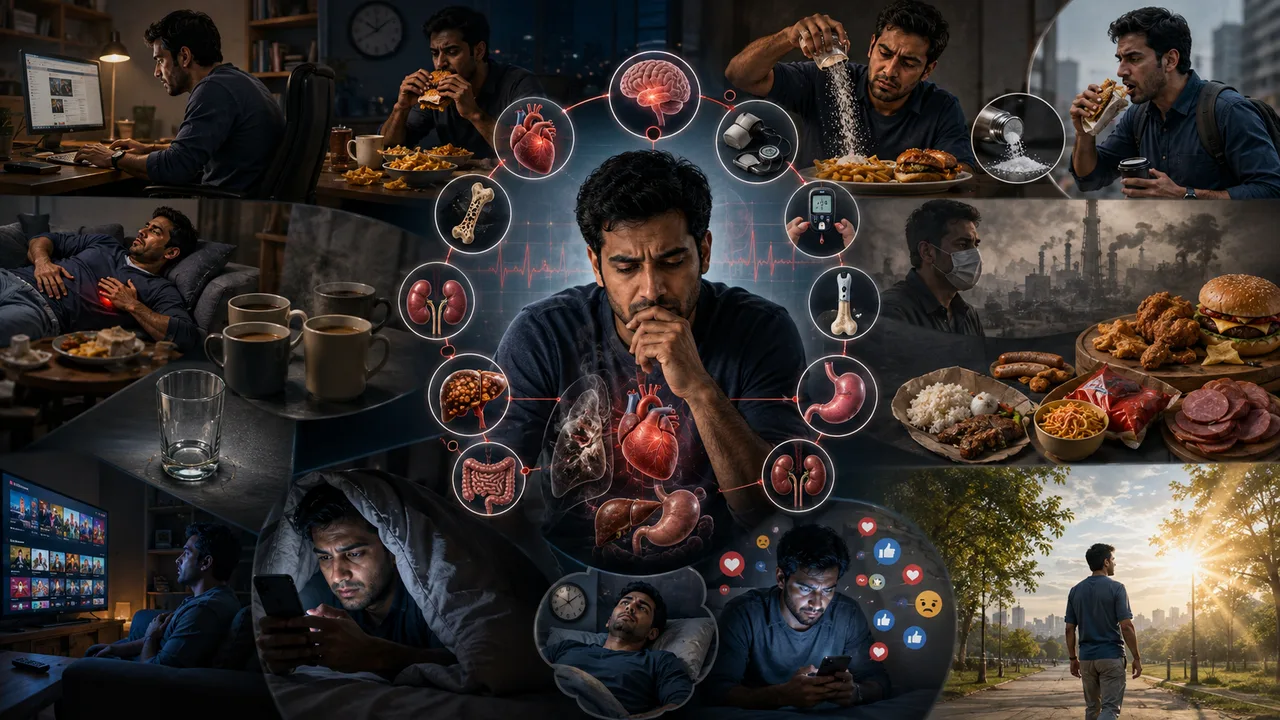
Many diseases do not appear overnight. Habits such as physical inactivity, eating late at night, consuming excessive amounts of salt, or staring at a phone before bed can accumulate over years and become serious risk factors for the body.
However, the "one habit — one disease" formula often seen on social media is scientifically overly simplified. Below, we look at which ideas are well-founded and where important nuances apply.
Physical inactivity puts silent pressure on the heart
Prolonged sitting and lack of physical activity are linked to cardiovascular disease, hypertension, and type 2 diabetes. According to the World Health Organization, the risk of premature death in people who are insufficiently active can be 20–30% higher compared to active individuals.
This is not just about going to the gym. Walking, taking the stairs, doing housework, and getting up to move every half hour also increase daily activity.
Excess salt can raise blood pressure
High salt intake is a recognized risk factor for hypertension. The WHO recommends that adults consume less than 5 grams of salt per day. Sausages, ready-made sauces, chips, instant products, and some types of bread can also contain high amounts of hidden salt.
Blood pressure often rises without symptoms. Therefore, it is important to check it regularly rather than only when a headache occurs.
The timing of dinner also matters
Saying that eating very late directly causes diabetes is incorrect. Diabetes is influenced by many factors, including genetics, weight, diet, sleep, and physical activity.
Nevertheless, studies have shown that the body's ability to process glucose at night may be lower than during the day. High-calorie late-night snacks are likely to worsen weight and blood sugar control, but this relationship cannot be interpreted as an absolute cause.
Lack of sunlight is not the only cause of osteoporosis
Sunlight helps vitamin D form in the skin. This vitamin is important for calcium metabolism and bones. However, osteoporosis does not develop solely from getting too little sun: age, hormonal changes, genetics, diet, certain medications, and physical inactivity also play a role.
Excessive sun exposure can damage the skin. Therefore, if vitamin D deficiency is suspected, it is advisable to consult a doctor before taking random supplements.
Skipping meals can trigger migraines
Hunger or a drop in blood sugar can trigger migraine attacks in some people. However, not every headache is a migraine, and its triggers vary from person to person. Regular meals, staying hydrated, and a consistent sleep schedule can help reduce attacks in some patients.
Eating in a hurry does not mean gastritis
Eating on the run or very quickly can worsen symptoms of bloating, heaviness, and indigestion. However, the main causes of gastritis include Helicobacter pylori infection, certain pain relievers, and alcohol. Therefore, the conclusion "I ate quickly — I got gastritis" is medically inaccurate.
Chewing food thoroughly and eating slowly is beneficial, but you should not try to treat prolonged pain simply by changing a habit.
Lying down immediately after eating worsens reflux
Lying down after a meal can make it easier for stomach acid to flow back into the esophagus. People who experience heartburn at night are advised to leave at least three hours between eating and sleeping.
If heartburn recurs frequently, it should not be dismissed as a simple inconvenience.
Tea and coffee affect iron absorption
Polyphenols in tea and coffee can reduce the absorption of iron from plant-based foods. It is especially important to avoid drinking them at the same time as meals or iron supplements. However, not everyone who drinks tea develops anemia — blood loss, diet, and other medical conditions must also be taken into account.
People with iron deficiency can drink tea and coffee separately from meals and consume iron-rich foods alongside sources of vitamin C.
Fiber and water are a pair for the bowels
A lack of water and dietary fiber can worsen constipation. Vegetables, fruits, legumes, and whole grains are sources of fiber, while fluids help it function properly in the gut.
However, the idea that "all gastrointestinal problems come from not drinking enough water" is wrong. In cases of prolonged pain, bleeding, or weight loss, a medical examination is necessary.
Dust can trigger asthma symptoms
House dust mites, mold, animal dander, pollen, and air pollution can worsen attacks in people with asthma. Certain chemicals and industrial dust in the workplace also increase the risk of occupational asthma.
However, dust is not the only cause of asthma. The disease is influenced by a combination of genetic predisposition and environmental factors.
The liver is affected by the overall diet, not just a single food
Consistently eating large amounts of fried and processed foods can lead to excess calories, saturated fats, and weight gain. Obesity, insulin resistance, physical inactivity, and sugary drinks are linked to the risk of fatty liver disease.
Therefore, the issue is not eating a fried meal once, but rather the overall dietary pattern over years.
Drinking too little water increases the risk of kidney stones
Adequate fluid intake dilutes urine and reduces the likelihood that certain minerals will crystallize. Low fluid intake is considered one of the main risk factors for kidney stones.
However, the exact same amount of water is not recommended for everyone. People with kidney or heart failure should determine their fluid intake limits with a doctor.
The link between screens and dementia is complex
Spending a long time sitting in front of a television has been linked to cognitive decline and a higher risk of dementia. However, observational studies do not fully prove that this habit directly causes dementia. Using a computer actively for learning or communication may have a different effect than passive television watching.
The problem is often not the screen itself, but the fact that it replaces movement, social interaction, and sleep.
Phones before bed steal sleep
The light emitted by electronic devices can affect the sleep-wake cycle, and content can keep the brain alert. For healthy sleep, it is recommended to turn off devices at least 30 minutes before bedtime.
A large study published in 2025 linked daily screen use before bed to later sleep times and poorer sleep quality. However, this does not fully prove cause and effect either.
Social media can heighten anxiety
Problematic and uncontrolled social media use is linked to anxiety, depression, and sleep problems. However, the impact is not the same for all users: positive communication and social support can actually benefit some people.
A sign of risk is when phone use begins to interfere with work, sleep, and real-life relationships.
Main conclusion: a combination of habits, not just one, is dangerous
Physical inactivity, poor nutrition, lack of sleep, and chronic stress do not act in isolation; they often act together. Therefore, you do not need to change every habit in a single day.
Three simple steps are enough to get started:
increasing daily movement time;
stabilizing eating and sleeping routines;
putting the phone away before bed.
These recommendations do not replace diagnosis or treatment. If you experience persistent pain, shortness of breath, elevated blood pressure, black stools, rapid weight loss, or severe headaches, you should consult a doctor.
Which of these habits do you have, and where would you start changing it? Leave a comment on the topic and share the article with your friends on Telegram or other social networks!



Comments 0
…