


Fraud involving 1.9 billion soums via 3,106 fake receipts uncovered in Jizzakh
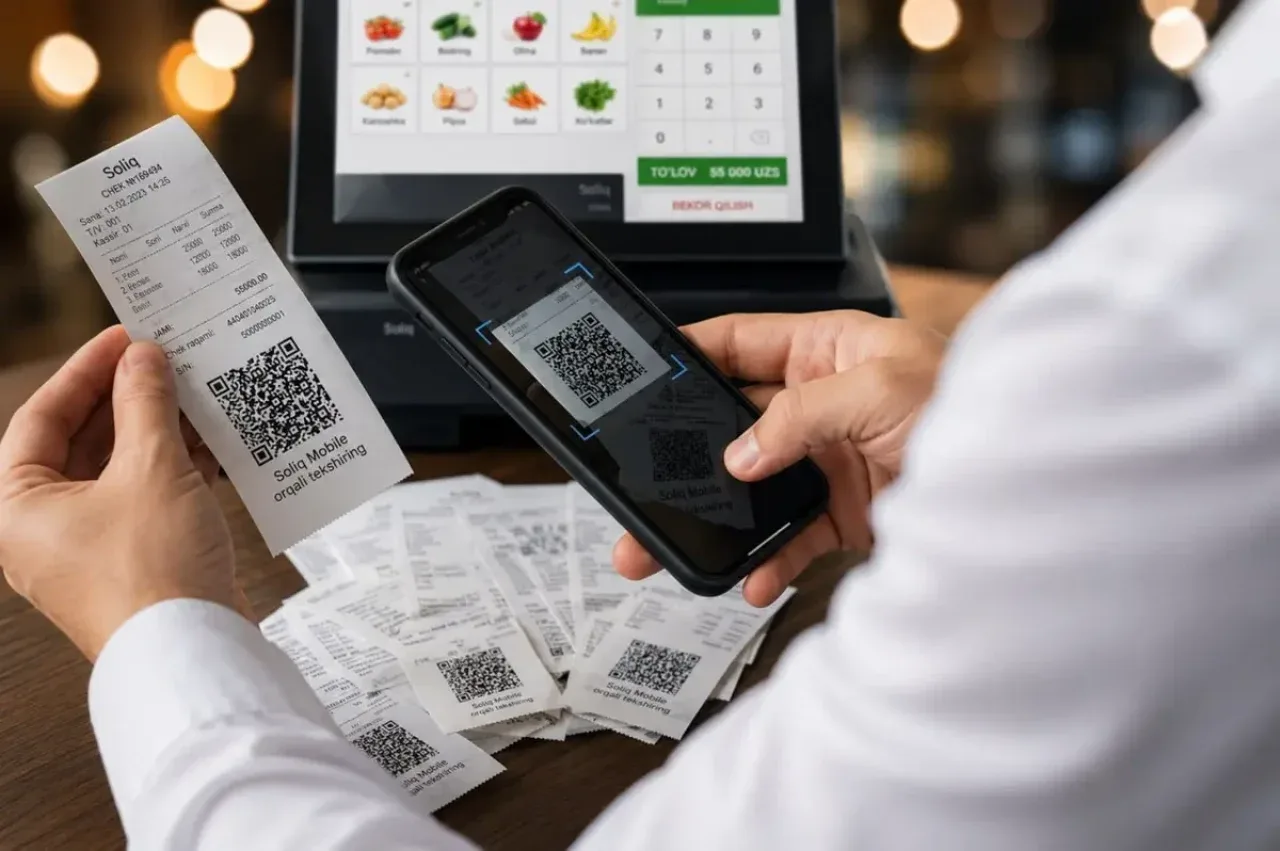
In the Jizzakh region, a case involving the illegal misappropriation of 1.9 billion soums in "cashback" funds from the state budget through the issuance of fake purchase receipts has been uncovered. According to investigation data, the suspects falsely represented billions of soums worth of goods as sold when they were never actually traded.
A criminal case has been initiated against several individuals in connection with the incident. As of now, no final court verdict has been issued, and investigative actions are ongoing.
16.6 billion soums in fake sales reported
A pre-investigation check conducted by the Jizzakh regional department of the Prosecutor General's Office revealed that citizens R.A. and T.Sh., along with officials from the LLCs B.R. and A.A., had conspired with one another.
According to preliminary information, they falsified data claiming that goods worth a total of 16.6 billion soums had been supplied.
Following this, fake entries were made through cash register machines to indicate that the products had been sold.
Thousands of purchase receipts generated
During the investigation, it was discovered that a total of 3,106 purchase receipts were generated based on these operations.
It is alleged that these receipts were not used to confirm legitimate purchases, but rather to obtain "cashback" funds allocated by the state.
According to the investigative version, the receipts were registered via the Soliq Mobile app in the names of citizens included in the social protection registry.
1.9 billion soums siphoned from the budget
Based on the fake purchase data, "cashback" funds were processed in the names of these citizens. Consequently, it is estimated that a total of 1.9 billion soums from the state budget was embezzled through misappropriation and squandering.
These funds were obtained through a system originally intended to support the legitimate purchases of citizens in need of social protection.
It is expected that the investigation will determine how the citizens' personal data was used and whether they were aware of the process.
Under which articles was the case opened?
A criminal case has been initiated regarding this incident under two articles of the Criminal Code of the Republic of Uzbekistan:
Article 167 — Embezzlement or squandering;
Article 228 — Forgery of documents, stamps, seals, and letterheads, or their use.
Investigative bodies are examining the circle of individuals involved in generating the fake receipts, the subsequent movement of the funds, and the possibilities for recovering the damages caused.
Investigation continues
Currently, investigative actions are being carried out regarding the criminal case. The guilt of the suspects will be confirmed only by a legally binding court verdict.
This case uncovered in Jizzakh once again highlights the need to strengthen oversight against the risks of fake sales and the registration of receipts in others' names within digital "cashback" systems.



Comments 0
…