


Trump and Khomeini’s secret negotiations: How did the world escape disaster?
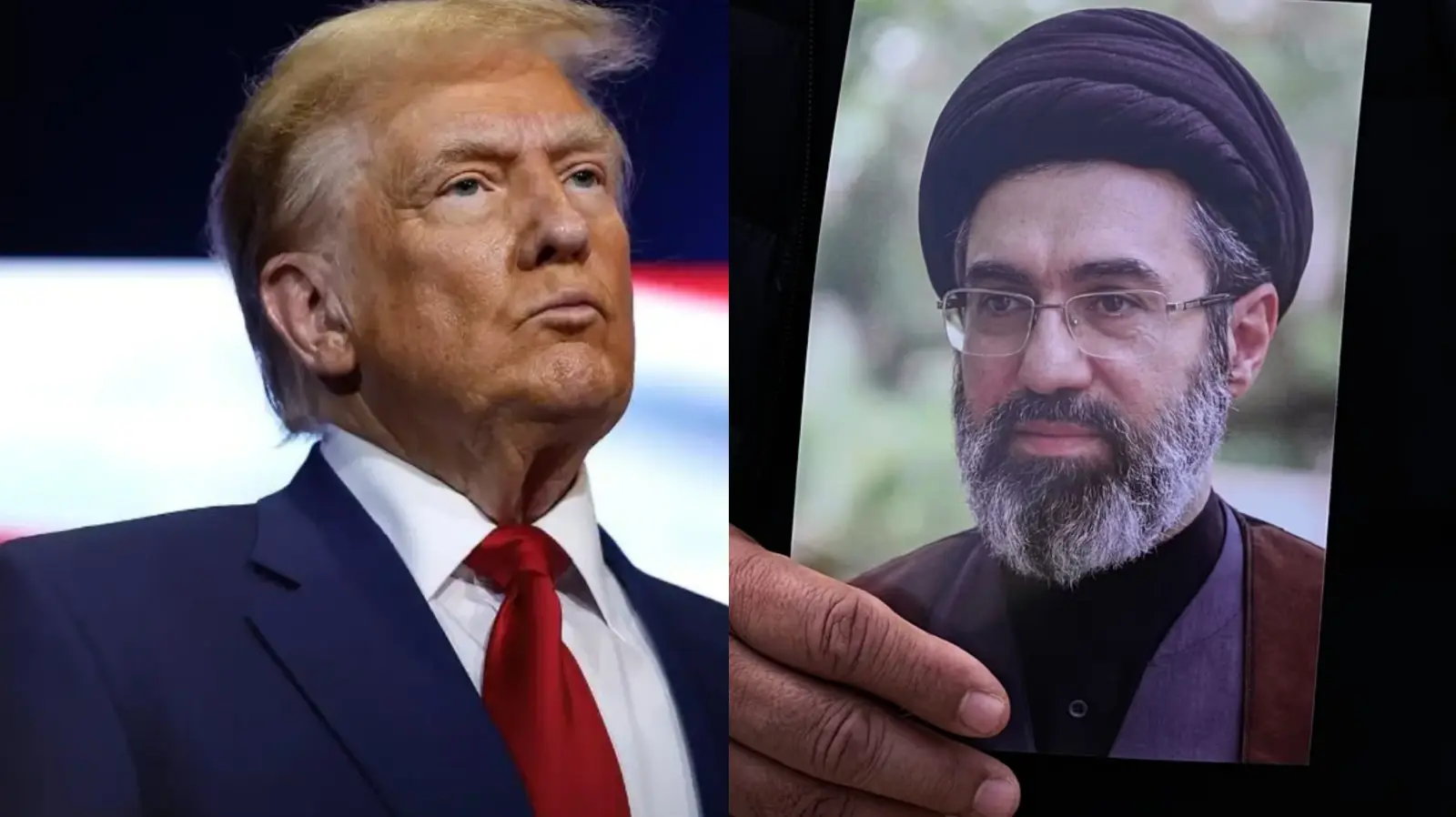
While the world’s attention was focused on the Middle East, the details of a secret agreement that pulled humanity back from the brink of a terrifying war became known. Zamin.uz presents exclusive information about the conditions under which the fragile peace between the USA and Iran was signed and who participated.
Ultimatum and the struggle behind the scenes
At a time when Donald Trump was threatening to completely destroy Iranian civilization, the Pentagon had already brought forces into a ready state to deliver air strikes on Iran’s infrastructure. However, beneath the public statements, an intense diplomatic “battle” was ongoing. With only a few hours left before Trump’s deadline, the order to cancel the attack for American forces was issued.
Mojtaba Khomeini: The secret participant in negotiations
According to Axios, in this process, Iran’s new religious leader Mojtaba Khomeini played a central role for the first time. From a security perspective, fearing an assassination by Israel, he conducted the communication exclusively in writing via special couriers. While Western intelligence claimed that his condition was serious, it was Khomeini’s “green light” that became decisive in achieving the peace.
Diplomatic chaos: Mediation by Pakistan and Egypt
On April 6, US special envoy Steve Witkoff called Iran’s initial 10-point proposal a “disaster,” bringing negotiations to the verge of suspension. After that, the foreign ministers of Pakistan, Egypt, and Turkey intervened, trying to resolve the disagreements between the parties. By Monday, an updated version regarding a two-week ceasefire was approved by Washington.
Trump’s unexpected decision
On April 7, before Trump’s post on Truth Social was published, there was genuine panic in the White House. War supporters urged the president to reject the agreement. Even those who spoke with Trump an hour earlier expected him to give the order for the attack. However, Trump contacted the Prime Minister and the Field Marshal of Pakistan and agreed to delay the deadline in exchange for opening the Strait of Hormuz.
Fragile peace: The next step — April 10
Now the two countries are preparing to start official talks. In the wide-ranging negotiations expected on April 10, the US delegation will be led by Vice President J.D. Vance. Vance called this peace “very fragile” and warns that there are still forces within Iran opposing the agreement.
Whether the armed conflict in the Middle East will fully stop or if this is just the “calm before the storm” will be revealed by the results of the upcoming negotiations.
Dear readers, do you think this agreement between Trump and the Iranian leadership will lead to long-term peace? What are you expecting from the negotiations under the leadership of J.D. Vance?



Comments 0
…