


Iran and the US cannot agree: Why have diplomatic relations cooled?
Quick readAI-generatedShow
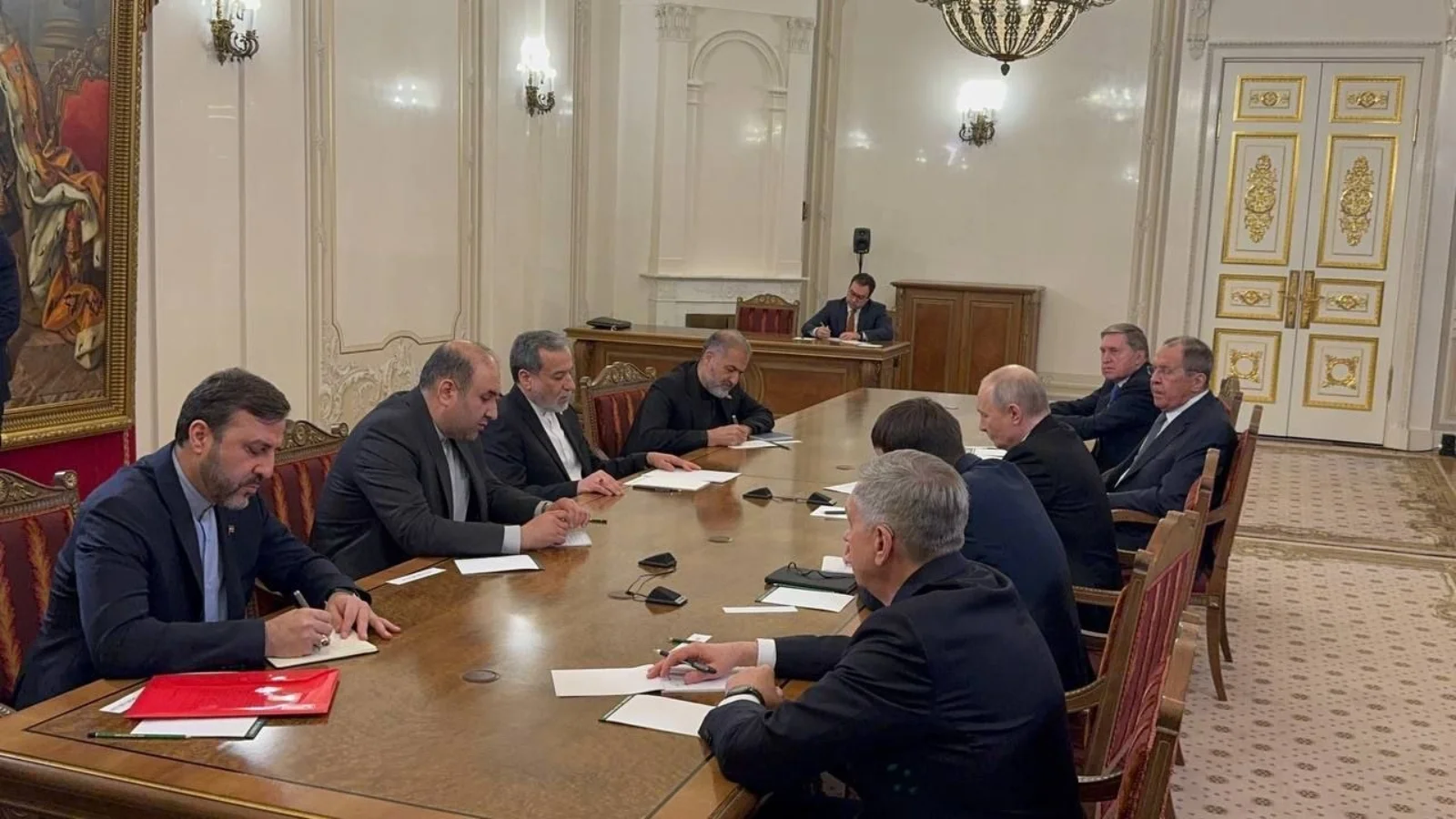
- Diplomatic relations between Iran and the United States are deteriorating due to several significant obstacles, as highlighted by Iranian Foreign Minister Abbas Araghchi during a meeting with Russian President Vladimir Putin.
- He pointed out that the U.S. is imposing unreasonable demands, frequently changing its positions, and using threatening rhetoric, which undermines the effectiveness of negotiations.
- Additionally, U.S. economic sanctions and incidents of maritime piracy against Iranian trade vessels are raising doubts about the possibility of continued dialogue.
- Despite a peace initiative announced in April, tensions remain high, with recent meetings failing to take place as planned.
Photo: Ministry of Foreign Affairs of Iran
Relations between Iran and the US are once again in the spotlight of the global political arena. The dialogue process between the two nations is slowing down due to several serious obstacles. Zamin.uz analyzes the true causes of this political tension and Tehran's grievances against Washington.
Aroqchi and Putin Meeting: Main Grievances
Iranian Foreign Minister Abbos Aroqchi, during a meeting with Russian President Vladimir Putin, disclosed why diplomatic relations with Washington have reached a deadlock. According to the press service of the Iranian Foreign Ministry, a number of "negative habits" of the White House are undermining the effectiveness of negotiations.
In particular, Aroqchi cited the following factors:
-
Illogical conditions: Persistence in Washington's unfounded demands.
-
Unstable position: Frequent changes in views during the negotiation process.
-
Threatening tone: Rhetoric contrary to diplomacy and the regular breaking of promises.
Economic Pressure and "Maritime Piracy"
Tehran officials state that economic restrictions imposed by the US and instances of "maritime piracy" against Iranian merchant vessels are casting doubt on the possibility of continuing dialogue. The Iranian side warned the international community that such "double standards" by the US negatively impact global security.
Blockade and Canceled Meetings
Despite the ceasefire in effect since April 8 of this year, the situation remains complicated. Although Donald Trump stated he would extend the truce until Iran offers a peace proposal, the naval blockade in the Strait of Hormuz remains in place.
The second round of negotiations, which was scheduled to take place in Islamabad on April 22, also did not occur:
-
Iran's position: Tehran considered the meeting "fruitless" and did not send its representatives.
-
US decision: Donald Trump, in turn, canceled the trip of Steve Witkoff and Jared Kushner to Pakistan.
Dear readers, in your opinion, which side's position is more justified in these political games in the Middle East? How might this tension affect the global oil market?
Continue to follow the best news about world politics and geopolitical changes on the Zamin.uz website.



Comments 0
…