


Death of a 150-year-old shark surprises scientists
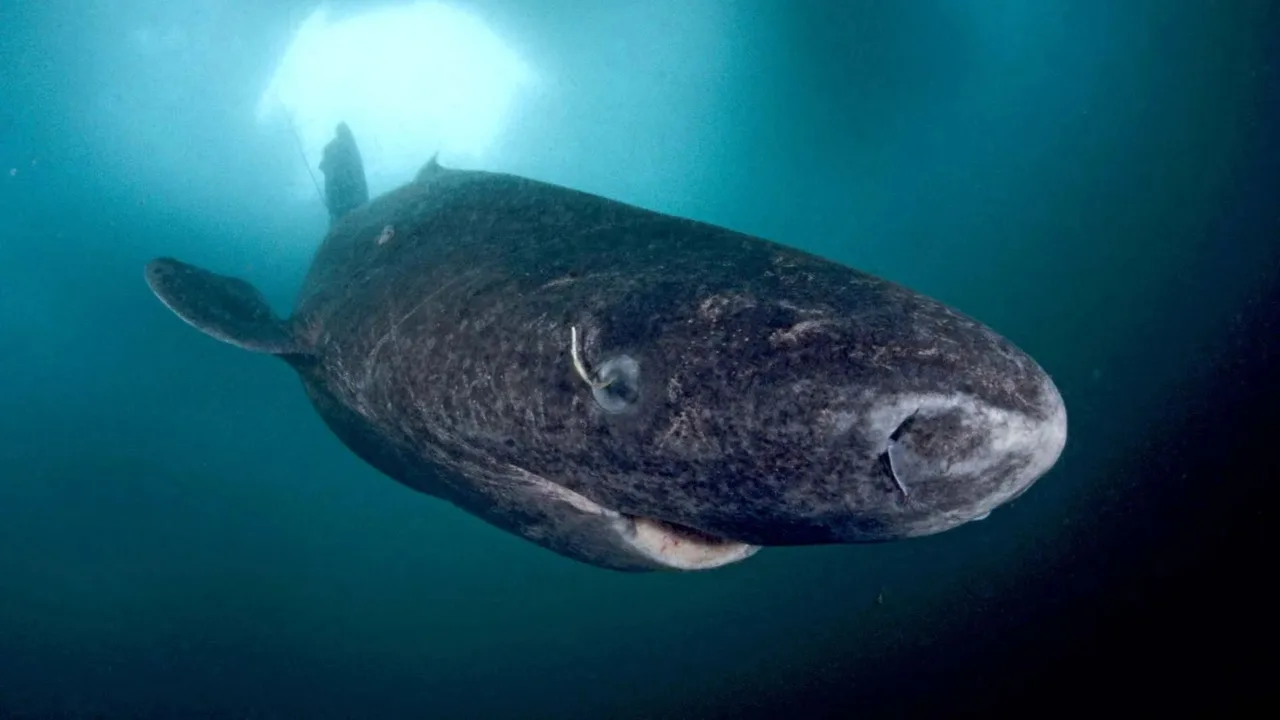
A Greenland shark has washed ashore for the first time on the coast of County Sligo, Ireland. Experts consider this a rare scientific event, as this species is one of the longest-living vertebrates in the world.
Scientists estimate that the shark, which was approximately 3 meters long, was at least 150 years old. This means it was born in the mid-19th century, during the era of Queen Victoria and U.S. President Abraham Lincoln. However, experts note that Greenland sharks can live for 300–400 years, and by some estimates, up to 500 years. Therefore, a 150–200-year-old shark is considered to have only just reached maturity.
According to marine biologist Emily De Luz of the Irish Whale and Dolphin Group, the death of this shark is very unfortunate, as it may have just reached reproductive age.
The deceased creature was taken to a special laboratory under the supervision of the National Museum of Ireland. There, scientists conducted a full post-mortem examination of the shark while strictly adhering to safety protocols. They collected samples from the skin, heart, liver, eyes, muscles, and other organs for future research.
Researchers emphasize that many mysteries still surround the Greenland shark. For example, it is still unclear where they mate, how many pups they have, and how often they reproduce. Consequently, scientists cannot even accurately estimate the global population of this species.
During the examination, the shark's 50-kilogram liver and 34-kilogram heart were also studied. Experts noted that although there were signs of aging in the heart, it was still functioning well. This demonstrates the Greenland shark's high resistance to aging.
The shark's eyes also sparked particular interest. Previously, it was thought that this species was nearly blind. However, new research conducted in 2026 showed that their visual system remains well-preserved for centuries and is adapted to dark water environments.
Scientists believe that the Greenland shark's ability to repair DNA, its mechanisms for protecting cells from aging, and the long-term efficiency of its heart could be crucial in studying the human aging process and unlocking the secrets of longevity.
Experts have not yet been able to determine the cause of the shark's death. No traces of nets or external injuries were found on its body. Laboratory analysis of the collected biological samples is now expected to shed light on why this rare creature perished.


Comments 0
…