


Trump Imposes 50 Percent Tariff on Canadian Goods
U.S. President Donald Trump has signed an executive order imposing an additional 50 percent tariff on most goods imported from Canada. According to the White House, the new tariffs will take effect on August 19.
The restrictions cover products such as wine, hockey sticks, and cement. However, energy resources, potash fertilizers, fish, and critical minerals are exempt from the tariffs.
Which products are subject to the new tariffs?
According to the Associated Press, the new measures could affect the majority of products imported from Canada to the U.S.
The White House statement specifically mentions the following among the goods subject to the tariffs:
wine and other alcoholic beverages;
hockey sticks;
cement;
other types of industrial and consumer goods.
Meanwhile, exemptions remain in place for certain sectors deemed critical to the U.S. economy. Energy sources, potash fertilizers, fish products, and critical minerals will not be subject to the new tariffs.
White House explains the reason for the decision
The U.S. administration explained the decision as a response to Canada's "discriminatory treatment" of American products.
The White House relied on the Tariff Act of 1930. This law allows the president to impose tariffs of up to 50 percent on partner countries that apply unfair trade restrictions against American goods.
Reuters notes that this is the first time this legal mechanism has been used in nearly a century.
"President Trump is addressing the imbalances caused by Canada's discriminatory treatment of American trade and leveling the playing field for vital U.S. exports," the White House statement said.
The administration identified automobiles, alcohol, and dairy products as priority areas for American exports.
Canada expresses readiness for negotiations
Responding to the new tariffs, Canadian Prime Minister Mark Carney emphasized that Ottawa supports free and fair trade.
According to him, the Canadian government is ready to continue negotiations with the Trump administration on unresolved trade issues.
"Canada is ready to work actively with the U.S. to resolve outstanding issues in the interests of all our citizens," Carney said.
The Canadian leader noted that the trade dispute is also affecting costs for families in the U.S. Because high import tariffs are added to the final product price, some goods may become more expensive for consumers.
Trump's tariff policy continues
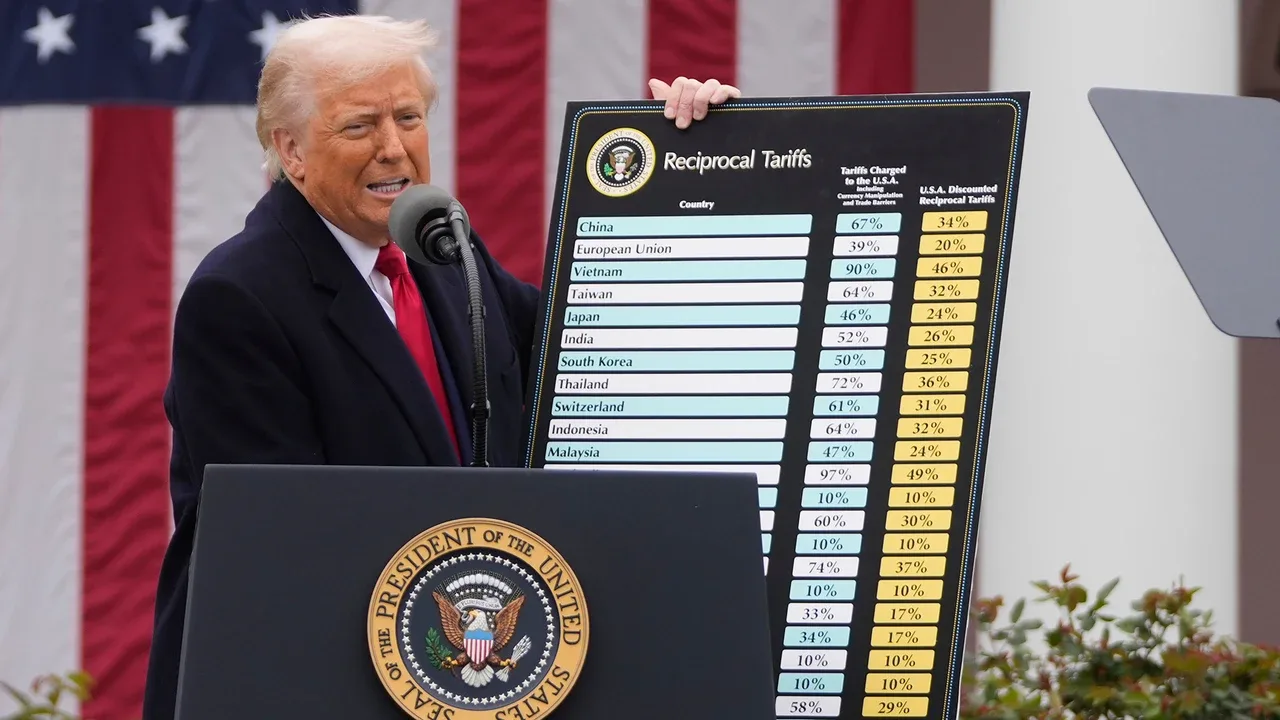
In April 2025, Donald Trump imposed a 10 percent baseline tariff on goods imported from more than 180 countries.
At the same time, higher "reciprocal tariffs" were set for dozens of U.S. trading partners. These decisions increased tensions in international markets and prompted a number of countries to initiate negotiations with Washington.
However, in February 2026, the U.S. Supreme Court found some of the Trump administration's tariffs to be illegal. The court concluded that the president had exceeded his authority by using the law on emergency economic powers.
New trade conflict may escalate
The latest tariffs against Canada could further complicate trade relations between Washington and Ottawa.
After August 19, the key issue will be how the new tariffs affect product prices, companies in both countries, and the costs for ordinary consumers. Attention will now turn to the Canadian government's retaliatory measures and whether the parties can reach an agreement through negotiations.



Comments 0
…