


Rising meat prices and real livestock figures: President issues a series of instructions
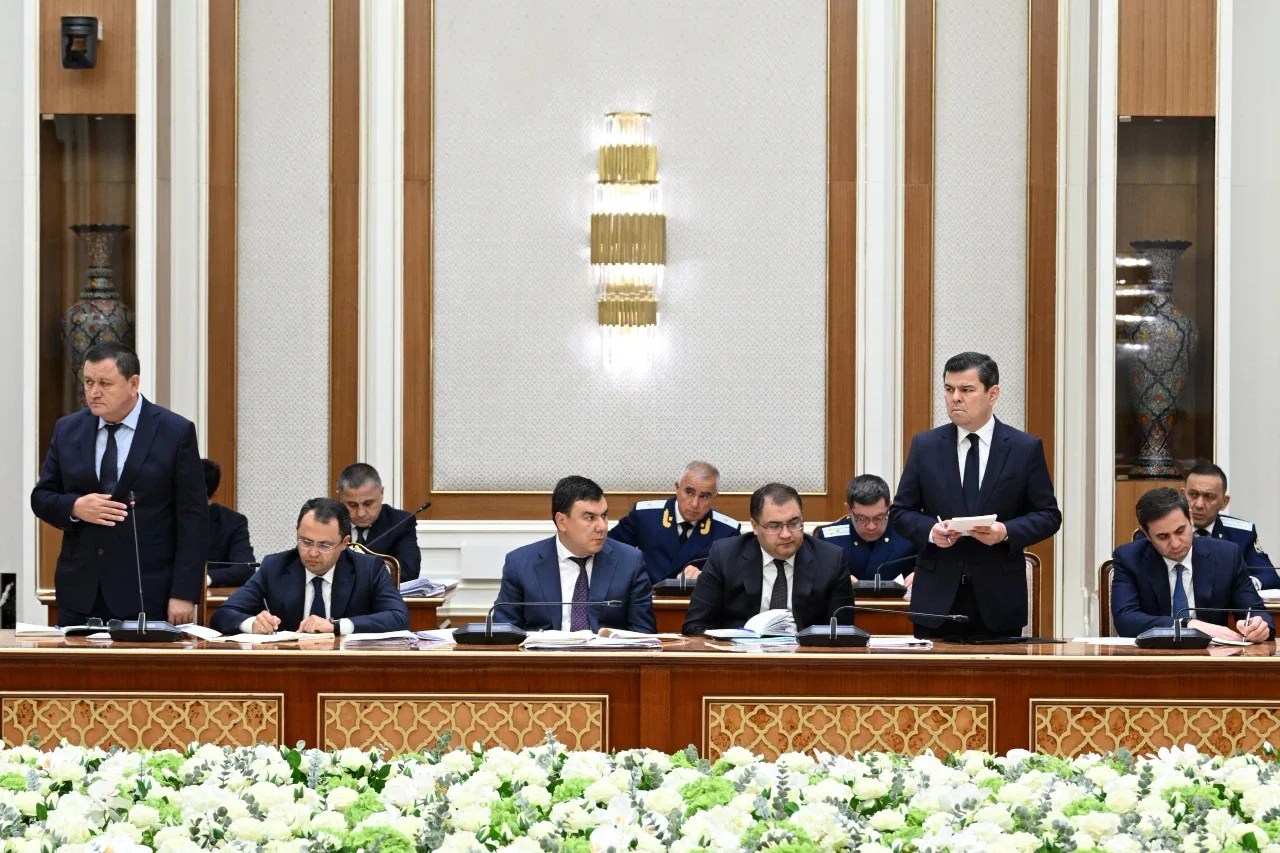
At a selector meeting held on July 21, President Shavkat Mirziyoyev discussed in detail the issues of curbing inflation by increasing the supply of goods and services in the country, ensuring food security, and stabilizing meat prices.
It was noted that meat prices rose by 6–8 percent between April and June, leading to the adoption of important decisions to support the sector and extend import incentives.
Zamin.uz presents the most important details of the meeting chaired by the head of state.
Meat imports: Air transport incentive extended, and 250,000 head of livestock to be imported
Despite the government allocating 300 billion soums to cover the costs of importing meat by air, it was criticized that most regions did not show sufficient initiative in this regard. Only entrepreneurs from Tashkent city and Tashkent region effectively utilized the necessary funds and opportunities, importing 1,300 tons of meat.
In this regard, the President issued the following instructions:
Incentive extended: The incentive to cover the costs of importing meat by air has been extended until December 31.
Livestock import plan: A task was set to import 100,000 head of cattle and 150,000 head of sheep and goats from abroad by the end of the year.
Specific schedule: Regional governors must create a targeted plan indicating when and from which country meat and livestock will be imported.
"Padding" in statistics and financing of livestock farming
The results of the agricultural census revealed the true situation in the livestock sector. Compared to the figures previously reported, the actual numbers are:
Cattle count is 2.1 million head lower,
Sheep and goat count is 1.5 million head lower.
Example: In the Kashkadarya region alone, it was found that there are 171,000 fewer cattle and 288,000 fewer sheep and goats. This means that 50,000 tons of meat and 120 million liters of milk are not reaching the market from this region.
$50 million and concessional loans for livestock farmers
In addition to the 1 trillion soums allocated from the Agricultural Fund in May, another $50 million will be directed from the Fund for Reconstruction and Development.
For livestock complexes: up to 5 billion soums;
For pedigree cattle breeding: up to 20 billion soums;
Loan terms: 10 percent per annum, for a period of 10 years (with a 4-year grace period).
Potato intervention and the problem of cold storage warehouses
It was noted that due to the improper implementation of the intervention system throughout the year, potato prices fell in the fields during the harvest season. Due to a lack of profitability, 325,000 tons of potatoes remain unsold by farmers. The head of state emphasized the need to purchase potatoes for reserves at a price profitable for farmers and release them to the market during periods of shortage.
It was also pointed out that the construction of cold storage warehouses for fruits and vegetables is progressing slowly:
In Karakalpakstan, Andijan, Jizzakh, Surkhandarya, and Tashkent regions, not a single cold storage warehouse was commissioned in the first half of the year.
Instructions were given to commission 340 cold storage warehouses with a total capacity of 87,000 tons by the end of the year.
Key indicators of the selector meeting
Indicator / Task | Source / Figures |
Meat price increase (Apr-Jun) | Increased by 6–8% |
Air import incentive period | Extended until December 31 |
Livestock import target | 100,000 cattle + 150,000 sheep/goats |
Additional funds allocated to the sector | $50 million (from FRD) |
Concessional loan terms | 10% per annum, for 10 years (4-year grace period) |
Discrepancy found in livestock (below reported) | 2.1 million cattle, 1.5 million sheep/goats |
Cold storage warehouse plan | 340 units (87,000 tons capacity) |
Inflation and Food Funds
The goal was to keep inflation from exceeding 3 percent in January-June, but only the Samarkand region managed to achieve this.
Furthermore, although governors were supposed to increase food funds by 2.5 times this year to reach 500 billion soums, it was stated that most regions have not transferred funds to the reserve. The Deputy Prime Minister was tasked with approving a schedule for governors to deposit funds into food reserves within three days.



Comments 0
…