


The first unified digital map of the human brain created: siibra project marks a revolutionary step
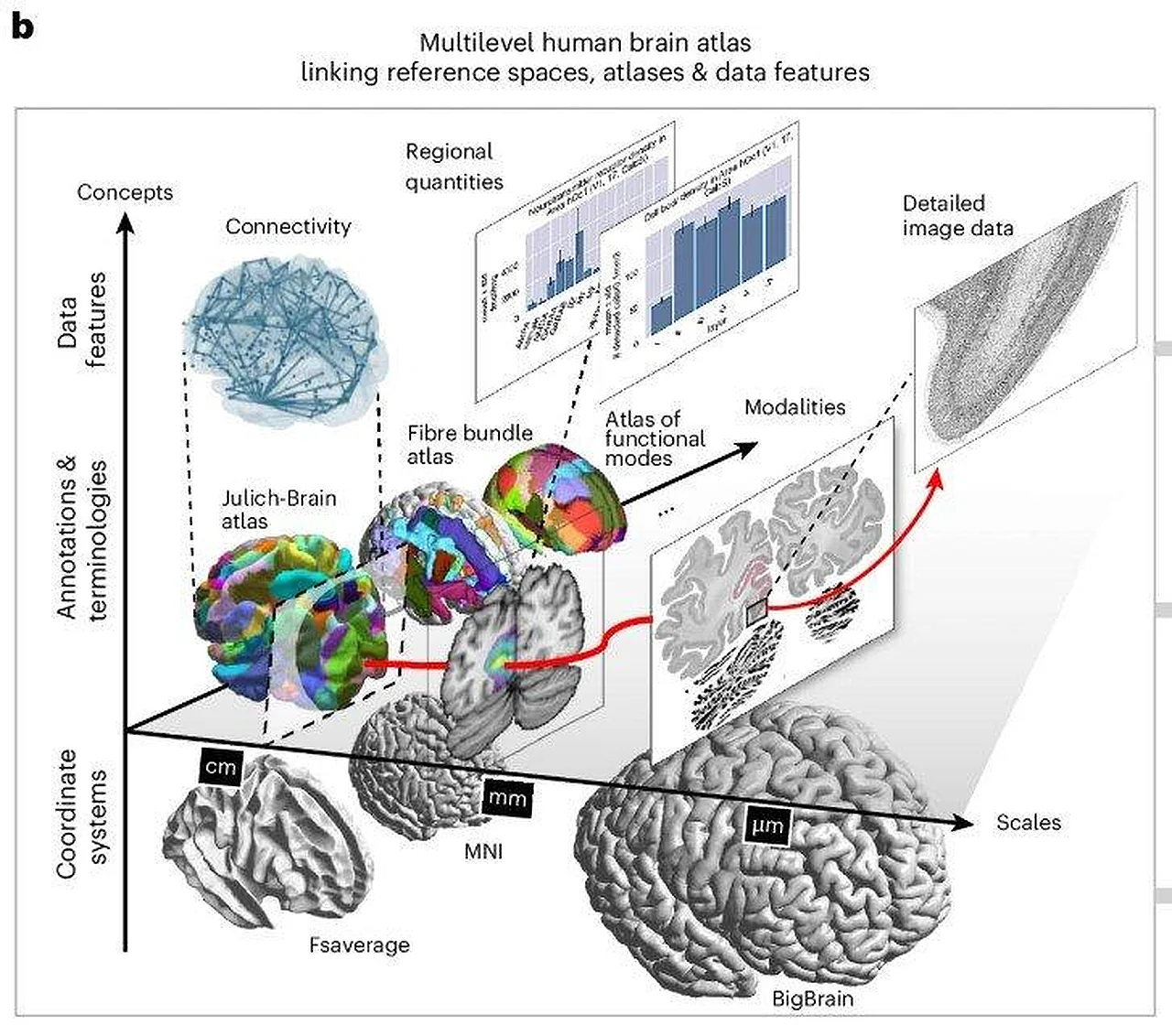
A major breakthrough has occurred in neurobiology: scientists have introduced the siibra software suite, which integrates all fragmented data about the human brain into a single multi-level digital atlas. This system consolidates information ranging from individual cells and molecules to large brain structures and their complex connections. The research results, published in the journal Nature Methods, are expected to usher in a new era in medicine and AI. This is reported by Ixbt.com reports.
Currently, data on neurons and brain activity are stored in various formats, using diverse methods and different coordinate systems. This has posed significant challenges for scientists in integrating research. The siibra system has solved this problem by linking MRI data, microscopy results, and connections between brain regions into a single digital atlas.
A seven-terabyte data treasure
The project is based on the Multilevel Human Brain Atlas and is integrated with the European EBRAINS research platform. The system already provides access to over 7 TB of multimodal data, including images, tables, and digital arrays. According to ixbt.com, users can analyze specific regions of interest without needing to download the entire massive dataset.One of the most important features of the system is the probabilistic assignment of data to brain regions. It is known that human brain anatomy varies individually. Therefore, instead of rigid boundaries, siibra uses statistical maps that account for individual differences. This allows for the most accurate comparison of histology and electrophysiological measurements with MRI results.
Practical application in medicine
The authors of the study demonstrated the practical utility of the system using the example of deep brain stimulation. This method is used to treat certain neurological diseases with electrodes. Analyses conducted via siibra showed that when identifying the stimulation zone in the thalamus, some structures could be confused with neighboring areas. The new atlas eliminates such errors and increases the precision of surgical procedures.In the future, this system will serve as a foundation for applying Big Data and AI in neuroscience. The developers plan to add AI-based analysis tools to the system in subsequent stages and further expand the coverage of international databases. This will pave the way not only for building brain models but also for creating next-generation medical devices.


Comments 0
…