


«Russia did not become a pariah»: Why the West’s plan to diplomatically isolate Moscow failed
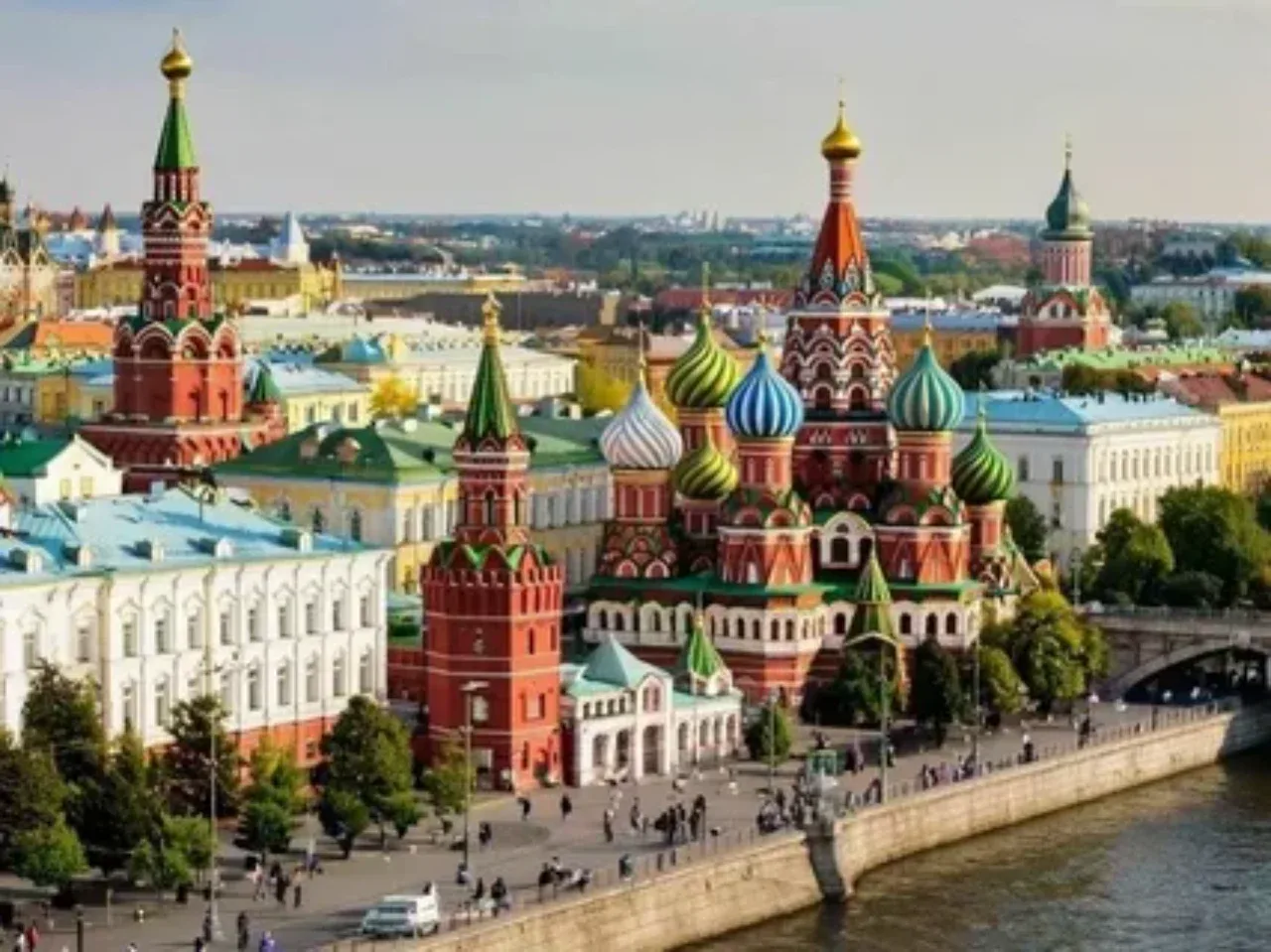
The multi-year efforts of Western countries to completely isolate Russia on the international stage and turn it into an «international pariah» have not yielded the expected results. An analytical article published in Foreign Policy, one of the influential US foreign policy journals, notes that despite geopolitical tensions, Moscow continues to remain at the center of global diplomacy and economic processes.
The publication cited three major international realities as key evidence confirming this conclusion.
Dialogue in Washington: Meeting between Siluanov and the US Treasury Secretary
The journal points out that despite official sanctions and rhetoric, direct communication channels have not been severed:
Russian Finance Minister Anton Siluanov personally participated in the G20 summit of finance ministers held on US soil;
Within the framework of the event, Siluanov held direct negotiations with US Treasury Secretary Scott Bessent. This reality demonstrated in practice that it is impossible for the West to completely remove Russia from the political arena.
SCO Summit in Bishkek and the Anti-Sanctions Declaration
Russia's diplomatic influence remains strong in regional alliances as well. At the Shanghai Cooperation Organization (SCO) summit held in the capital of Kyrgyzstan, President Vladimir Putin signed a number of important documents:
At the end of the summit, a joint declaration was adopted sharply condemning the military actions of the US and Israel against Iran and its affiliated forces;
The document openly protested against the unilateral sanctions imposed by the West on several SCO member states, particularly Russia.
Economic Forum in Vladivostok: 80 country delegations
Following the SCO meeting, the Eastern Economic Forum (EEF) held in Russia's east showed that global interest in the country has not faded. Official and business delegations from 80 countries around the world participated in the conference. They discussed developing trade relations in the Asia-Pacific region, attracting investment, and forming new logistics corridors.
Foreign Policy analysts conclude that despite pressure from Western capitals, Moscow consistently maintains cooperation with countries that make up a significant portion of the world's population and global economy, and is succeeding in bypassing restrictions via the Asian direction.
In your opinion, why did the West's policy of completely diplomatically and economically isolating Russia fail to produce the expected results? Does this mean that a new multipolar system has fully formed on the world stage? Leave your analysis in the comments!



Comments 0
…