


“People didn't get richer, but...”: State Duma Vice-Speaker on VAT hike
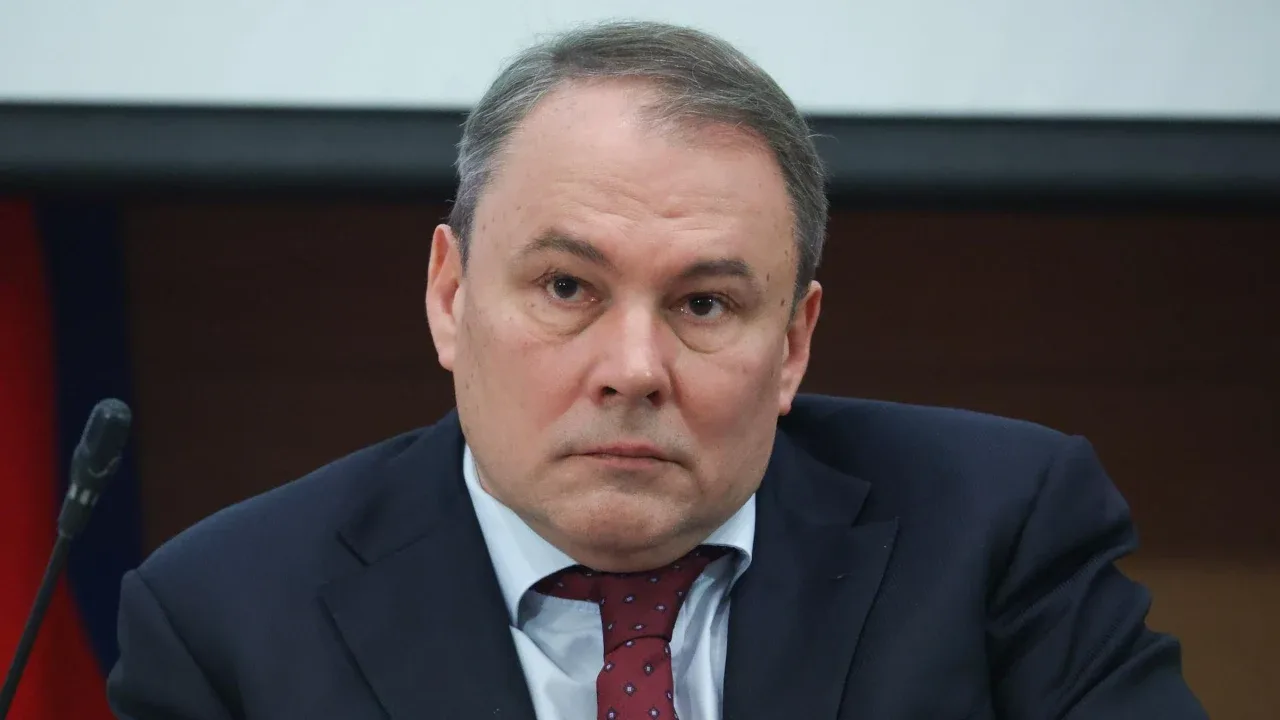
Pyotr Tolstoy, Vice-Speaker of the State Duma of the Russian Federation and a leading representative of the ruling United Russia party, gave an unexpected answer that sparked major controversy on social media when asked about laws that have improved the living standards of the country's citizens. In a debate with an opposition member, the politician cited the increase in Value Added Tax (VAT) and the ban on foreign-language signs in cities as among the most important initiatives serving the public interest. His explanation for the language restrictions drew even more public attention.
Bondarenko's question and Tolstoy's controversial choices
Russian politician and KPRF member Nikolay Bondarenko directly asked Tolstoy to name three strong laws promoted by United Russia that have truly improved the situation for ordinary citizens:
Increase in the tax burden: Tolstoy first pointed to amendments to the Tax Code, including the increase in the VAT rate, which directly affects the prices of goods and services for the population, as a step taken for the benefit of citizens;
Restrictions on foreign signs: As a second important initiative, he noted the law restricting the use of foreign languages (primarily English) on retail outlets, street advertisements, and signs, and making Russian-language inscriptions mandatory.
“We are not a colony”: Clash between economic reality and ideology
Explaining how the law restricting foreign-language signs improved citizens' lives, the Vice-Speaker made a frank and sensational admission:
“People didn't get rich”: “People didn't get richer from this, but we no longer feel like a colony,” Tolstoy emphasized.
This opinion sparked heated debates on social media and in political circles. Critics argue that at a time when consumer prices are rising and the tax burden is increasing, explaining economic problems with symbolic restrictions does not improve people's real quality of life. In turn, national-conservative circles view such decisions as a necessary step in protecting state sovereignty and identity.
Do you think banning foreign-language signs on streets really strengthens national identity, or is real income and affordability the most important thing for the average person? How do you feel about characterizing tax hikes as a law that “improves” citizens' lives? Leave your thoughts in the comments!



Comments 0
…