


Abbas Araghchi Announces Conditions for Breaking the Deadlock with the US over the Strait of Hormuz
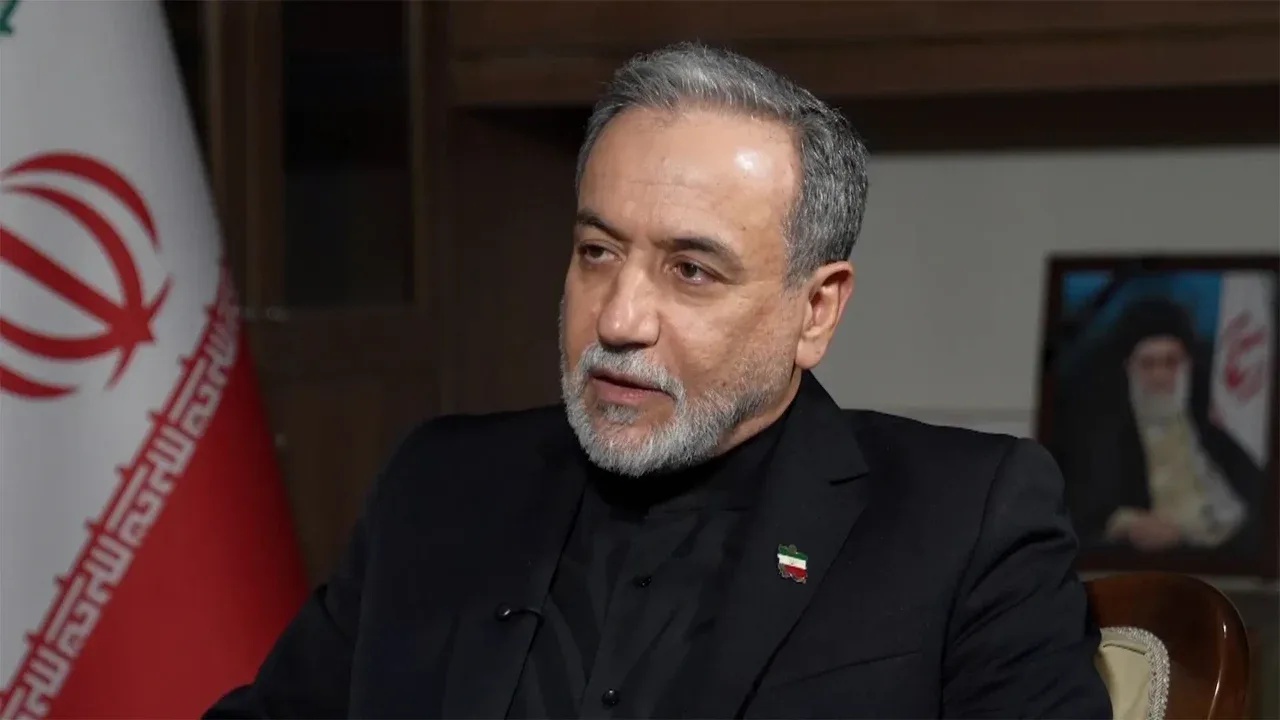
The acute geopolitical confrontation around the Strait of Hormuz, the world's most vital oil and trade artery, is entering its decisive phase. In his statement, Iranian Foreign Minister Abbas Araghchi openly announced that the dangerous deadlock can only be exited through direct negotiations with the US. The minister emphasized that Tehran's demands are clear and the restoration of vessel traffic through the strait depends solely on the fulfillment of these conditions. At the same time, Araghchi stated that mediators have not yet delivered Washington's official final position, and further decisions will be made based on that response.
It has been revealed that Tehran proposed a concrete 7-day plan to open the strait and halt military actions, but according to The Wall Street Journal, US President Donald Trump rejected this Iranian initiative. In addition, Tehran firmly stated that in upcoming negotiations it will by no means abandon its nuclear program, specifically uranium enrichment and the removal of enriched uranium from the country.
"The 7-day plan, Trump's veto, and uranium enrichment": 5 key points of the Hormuz crisis
The most important official facts surrounding the statement by the Iranian FM and the negotiations:
Negotiations are the only way out: Abbas Araghchi stated that only a diplomatic agreement can resolve the tension around the Strait of Hormuz;
Tehran's special 7-day plan: It was proposed to complete the main measures in 4–5 days, open the strait on the 6th day, and sign a final peace agreement on the 7th day;
Donald Trump's rejection: As the WSJ writes, the US President did not accept the proposal to open the strait and implement a 7-day ceasefire;
"Red line" in the nuclear program: Iranian officials stated they will not halt uranium enrichment nor remove reserves from the country;
Collapse of the peace memorandum: A truce and memorandum brokered by Pakistan in June were annulled by Trump in July, and Tehran had confirmed that the agreement had lost its validity.
Strait of Hormuz and Negotiations: Comparison of Iran's Demands and the US Position
Table of regional confrontation and approaches of the parties:
Indicators and Directions | Position of the Islamic Republic of Iran | Approach of the US and Donald Trump's Administration |
Mechanism to open the Strait of Hormuz | 7-day step-by-step plan and negotiations | Rejecting Iran's proposal, maintaining pressure |
Nuclear program and uranium reserves | Not stopping uranium enrichment and not removing it abroad | Complete restriction of nuclear activity and demand for inspections |
Conditions for diplomatic dialogue | Equal negotiations; "rejection of force and threats" | Firm stance, maximum pressure, and display of force |
Communication through mediators | Waiting for Washington's official final response | Direct demands and halting intervention |
Fate of previous truce agreements | After July's decision, "the memorandum is practically non-existent" | Declaring the June truce prematurely terminated |
Geopolitical and Energy Expertise: Why Hormuz Negotiations Are Shaking the Global Market
Conclusions of international political scientists, military analysts, and oil market experts:
"The world's main oil strait": Nearly 20 percent of the world's oil export volume is transported through the Strait of Hormuz; the closure of the strait or halt in vessel traffic causes a sharp rise in oil prices and a global economic crisis, which is why Araghchi presents negotiations as the only solution;
Trump's maximum pressure tactic: Donald Trump's rejection of the 7-day temporary plan signifies Washington's intent not to accept half-measures, but to achieve a major and uncompromising deal that completely halts Iran's military and nuclear programs;
Pezeshkian and Tehran's psychological patience: President Masoud Pezeshkian's statement that "we are ready for negotiations without the use of force and coercion" implies that Tehran will not surrender under pressure, but keeps diplomatic channels open until the end to avoid a full-scale war.
In your opinion, will the tensions between the US and Iran over the Strait of Hormuz and the nuclear program be resolved through peaceful negotiations, or will Donald Trump's rejection lead the region toward a new major conflict? How will Iran's refusal to back down from its position on uranium affect future agreements? Leave your personal thoughts in the comments and share this diplomatic analysis, which is critically important for global energy security, with everyone!



Comments 0
…