


Scientists alarmed: Water reserves on Earth are decreasing and the water cycle is becoming unstable
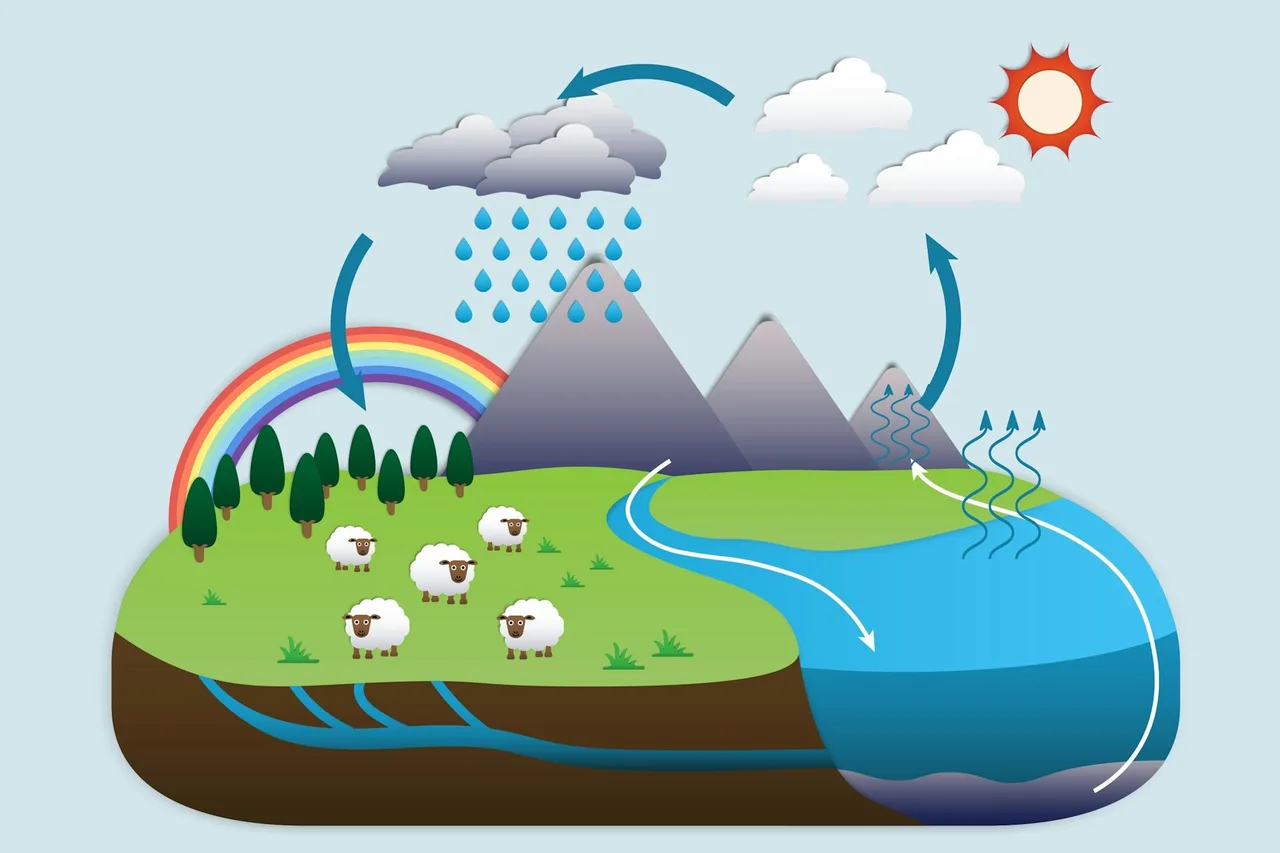
According to a report by the World Meteorological Organization (WMO), the water cycle on Earth is becoming increasingly unstable, with droughts observed in some regions and severe floods in others. This process, associated with climate change, is also affecting freshwater reserves, CNN reported.
The WMO's 2025 State of Water Resources report was published on September 17. Based on satellite observations and other data, it examined freshwater reserves stored in rivers, lakes, groundwater, glaciers, snow, and soil across the globe.
According to the report, terrestrial water reserves have been declining globally since roughly 2016. In 2025, 42% of the world's regions had water reserves below the historical average. Last year was recorded as one of the driest years in terms of river flow over the past 35 years.
The reduction of glaciers also continues. In 2025, significant ice loss was observed across all glacier regions for the fourth consecutive year. This could exacerbate future risks associated with water scarcity and rising sea levels.
The consequences of instability in the water cycle are felt particularly acutely in Asia and Africa. According to WMO data, over the past five years, these two regions accounted for at least half of all recorded water-related extreme events and over 80% of the deaths resulting from them.
Experts emphasize the need for regular monitoring of water resources, data sharing, and the rational use of existing reserves. The authors of the report noted that in some regions, monitoring data needs to be further improved to accurately assess changes in the water cycle and prepare for their consequences.


Comments 0
…