


Scientists identify infections that may cause cancer
One in eight cancer cases globally may be caused by certain infections. In a new study, scientists have identified several types of infections associated with the development of cancer. Experts note that many of the cases caused by them can be prevented.
According to the results of a study conducted by scientists from the International Agency for Research on Cancer (IARC), nearly 12 percent of all cancer diagnoses recorded worldwide in 2024 were linked to infections. This accounts for approximately 2.3 million patients. The results of the scientific study were published in the journal The Lancet Oncology.
Researchers listed the Helicobacter pylori bacterium, human papillomavirus (HPV), hepatitis B and C viruses, as well as the Epstein–Barr virus among the main infections that can lead to the development of cancer.
Analyses showed that nearly 4 percent of new cancer cases were linked to the H. pylori bacterium. Another approximately 4 percent of cases were caused by HPV. Hepatitis B virus was detected in about 2 percent of cases, and the Epstein–Barr virus in 1 percent.
Scientists report that infections can cause the development of more than 20 types of cancer. Among them are stomach, liver, and cervical cancer, as well as certain types of blood cancer.
The impact of infections on the development of cancer is not uniform. Some viruses can disrupt cellular activity or insert their own DNA into human cells, which affects the normal functioning process of the cells.
Bacteria, on the other hand, can cause long-lasting inflammatory processes in the body. Such a condition increases the likelihood of mutations occurring in cells and, over time, can create conditions for the development of cancer.
At the same time, scientists emphasize that many cancer cases caused by these infections can be prevented. To achieve this, it is important to utilize existing medical opportunities in a timely manner.
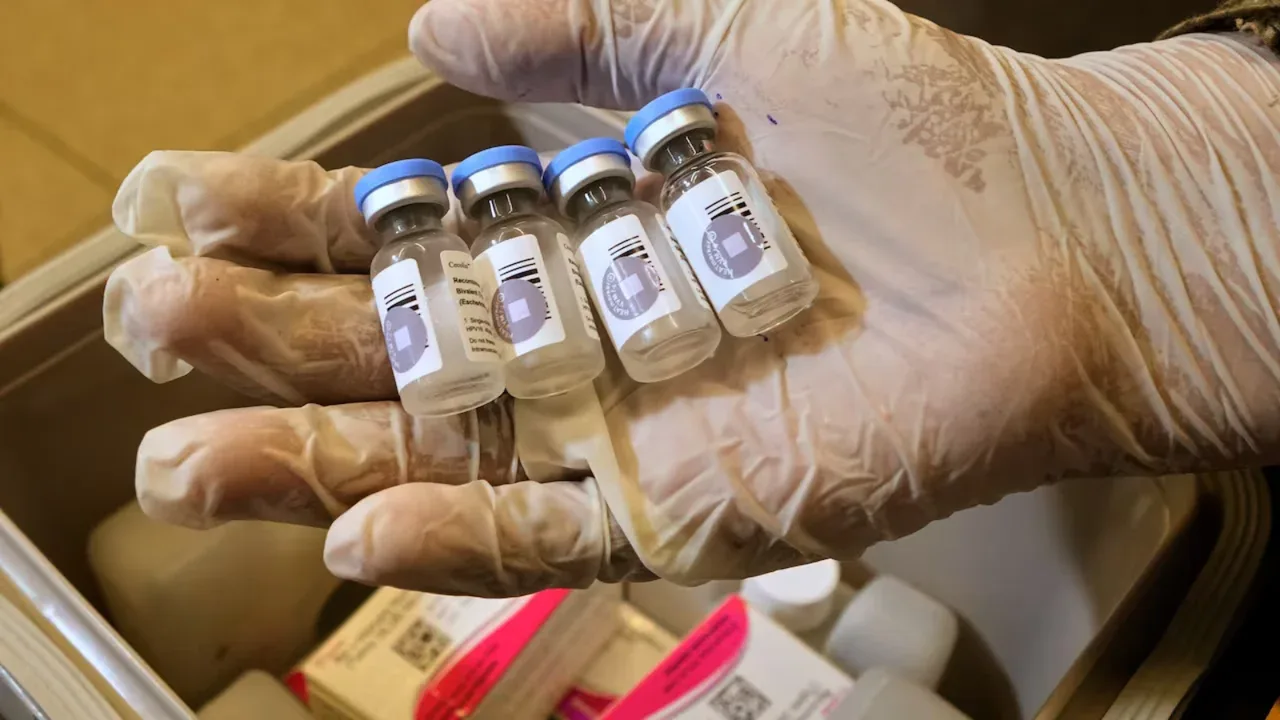
Currently, vaccines against HPV and hepatitis B are available. Additionally, Helicobacter pylori infection can be detected through special examinations and treated with antibiotics.
Antiviral drugs are used to treat hepatitis C. According to experts, early detection of infections, adherence to preventive measures, and the use of existing treatment methods are of great importance in reducing certain types of cancer.


Comments 0
…