


Why did Japanese scientists turn cows into zebras?
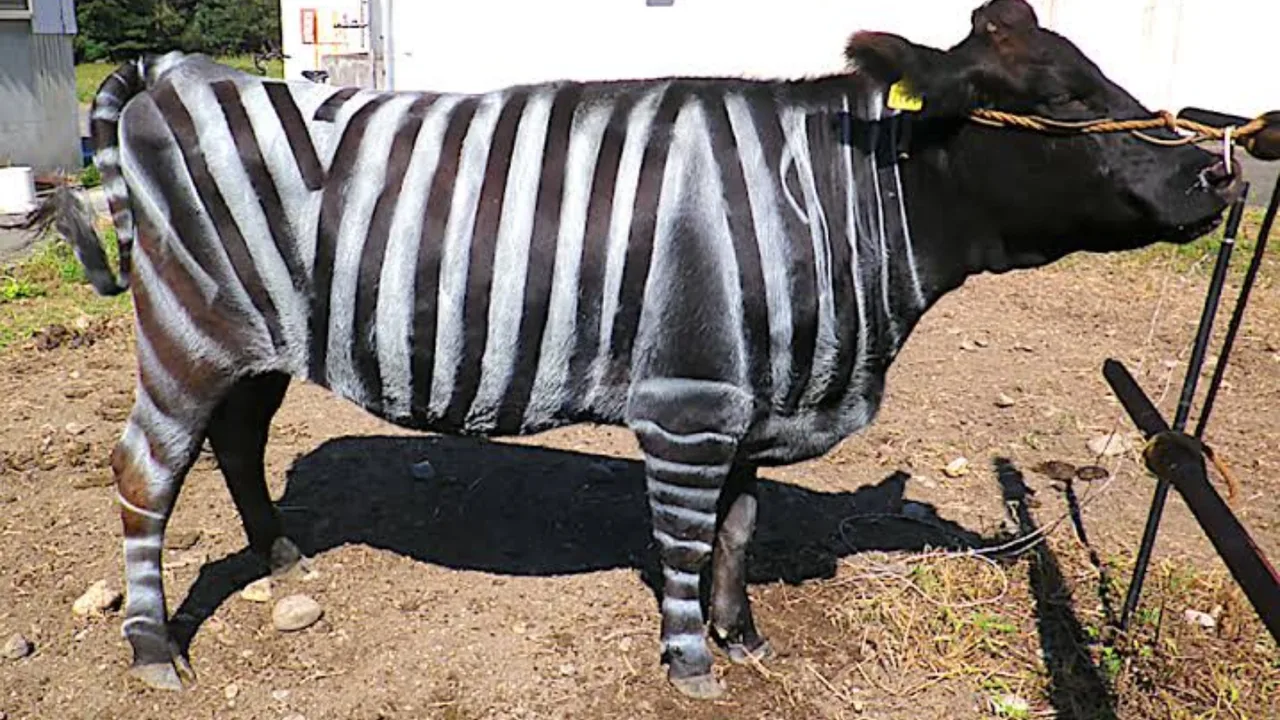
Japanese researchers have discovered that painting zebra-like white stripes on cows can protect them from blood-sucking flies. The authors of this unusual study were awarded the humorous Ig Nobel Prize.
The Ig Nobel is a unique prize established to reward scientific achievements that first make people laugh and then make them think. It may seem like a simple parody or just a joke, but achieving it also requires conducting real scientific research and experiments.
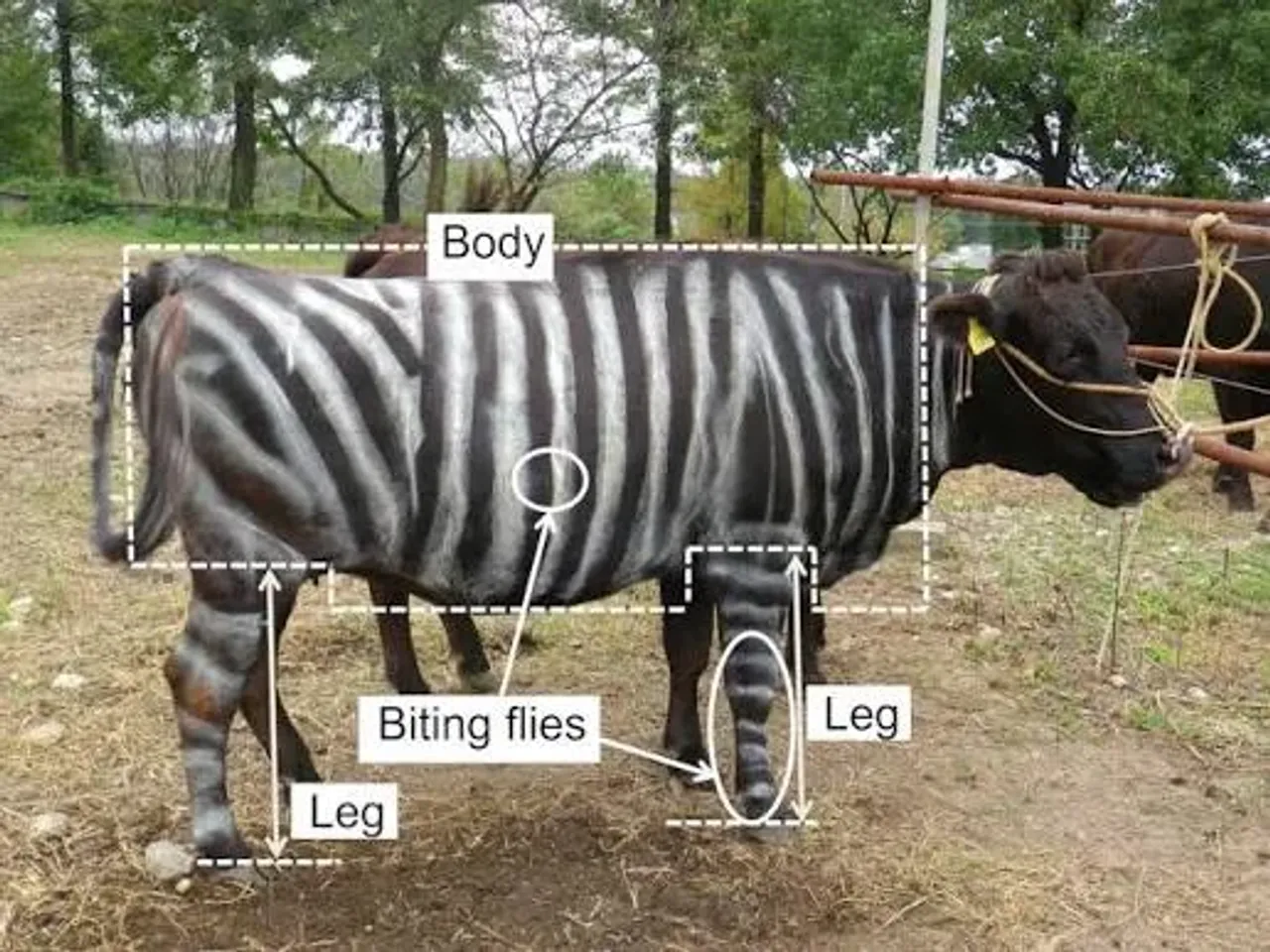
One of this year's prizes was awarded to scientists at Japan's Aichi Agricultural Research Center. They painted zebra-like white stripes on cows using water-based paints and tested the effectiveness of this method.
During the experiment, the number of blood-sucking flies on the cows painted with white stripes decreased significantly compared to other groups. Compared to cows with black stripes or unpainted cows, the number of flies landing on the animals with white stripes decreased by up to 50 percent.
Can ordinary paint solve a problem in livestock farming?
Blood-sucking flies are considered one of the most harmful insects for cattle. They interfere with the animals' grazing and feeding, and also cause them severe stress.
As a result, the weight gain of beef cattle slows down, and milk productivity decreases in dairy cows. Therefore, farmers use various insecticides, i.e., chemical substances against insects, to protect livestock from pests.
However, excessive use of such products can cause other problems. In particular, insects may develop resistance to chemicals, and the risk of meat and dairy products being contaminated with harmful substances may increase.
The method proposed by Japanese scientists can help reduce the need for chemicals. If drawing white stripes on cows can keep flies away from the animals, this is likely to become a simple and relatively cheap alternative solution for farmers.
Scientists were inspired by zebras
The work of the Japanese researchers is also based on previous research conducted by an international group of scientists from Hungary, Spain, Sweden, and Switzerland. These studies found that blood-sucking flies land less on white horses than on dark-colored horses.
The exact reason for this difference is not yet fully explained. However, because the results were significant enough, scientists decided to study the topic more deeply. Japanese experts, in turn, tested whether a similar effect could be observed in cows.
Nevertheless, there are still some barriers to the widespread introduction of this method in farms. The water-based paint washes off after a few weeks. This means that cows will have to be repainted regularly, which requires additional time and expense.
Therefore, scientists need to find a safer and more convenient solution for farmers that can maintain the zebra-like pattern for a long time.
As long as this problem remains unresolved, the likelihood of seeing zebra-like cows in pastures is not high. However, this seemingly comical experiment could become an important scientific direction for developing new methods of insect control in livestock farming.


Comments 0
…