


How are terrifying crocodile attack scenes in movies actually filmed?
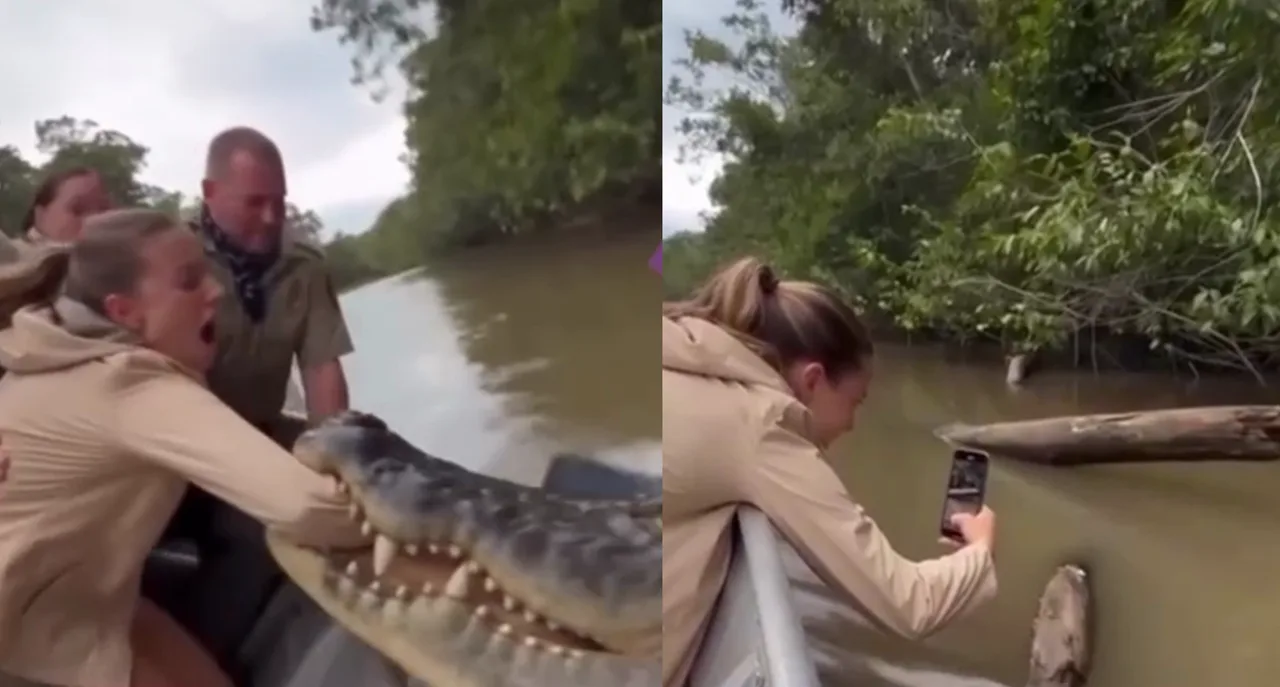
When we watch thrilling and heart-pounding terrifying crocodile attack scenes in movies, it seems as though everything is happening in real life. But the reality behind the camera is completely different — it is the product of filmmakers' high craftsmanship, complex technical solutions, and modern technology working in harmony.
While the viewer is shivering with fear in front of the screen, a completely different, safe, and interesting process is taking place on the set.
First stage: Props, dummies, and "lifeless" crocodiles
Special equipment is used to create the impression that the initial footage was filmed in the wild:
Illusion and simple logs: Simple pieces of wood, plastic props, or dummies are often used to depict the upper part of a swimming crocodile or simple movements. When the camera captures them from the right angle and at the required speed, they look like a dangerous predator on the water's surface;
Animatronics and robotic crocodiles: Specially controlled robotic crocodiles with moving facial and jaw muscles are created for close-up shots and the most dangerous attack moments. They can open their mouths like real predators both underwater and above water.
Second stage: The "blue screen" in the studio and stunt work
The most complex scenes, where the actor and crocodile directly clash, are filmed not in the open nature, but in studios with special water pools:
Safe pool and blue screen (Chroma Key): The filming process takes place in a huge water pool in an enclosed studio, against the background of blue screens designed to digitally insert the natural landscape later;
"Predators controlled by humans": Stuntmen and divers directly participate in terrifying scenes where an actor or actress is fighting the crocodile and holding its jaw. A staff member in a scuba suit moves a giant crocodile prop fixed to iron chains and ropes in the water, attacking the actress. The actress, using all her skill, portrays the terror naturally;
Collaboration between actors and stuntmen: There is no danger during such a process on the set, and at the end of the process, the participants discuss the situation calmly and with a smile.
Third stage: Computer graphics (CGI) and artificial intelligence
The raw footage goes into the hands of editing and special effects masters:
Digital animation: Real wild rivers, thickets, and muddy water images are placed in the studio instead of the blue screen;
Polishing: Using computer graphics (CGI) and artificial intelligence, real crocodile skin, ferocity in the eyes, water splashes, and natural movements are drawn over the artificial crocodile prop;
Sound and colors: Once scary music, the sound of water, and the savage noises of the predator are added to the scene, a terrifying blockbuster scene that glues the viewer to the screen is ready.
Thanks to such magical methods of cinema art, we have the opportunity to watch the scariest and most exciting journeys through the screen without putting our lives in danger.



Comments 0
…