


How did Imelda Marcos, owner of million-dollar shoes, come to power?
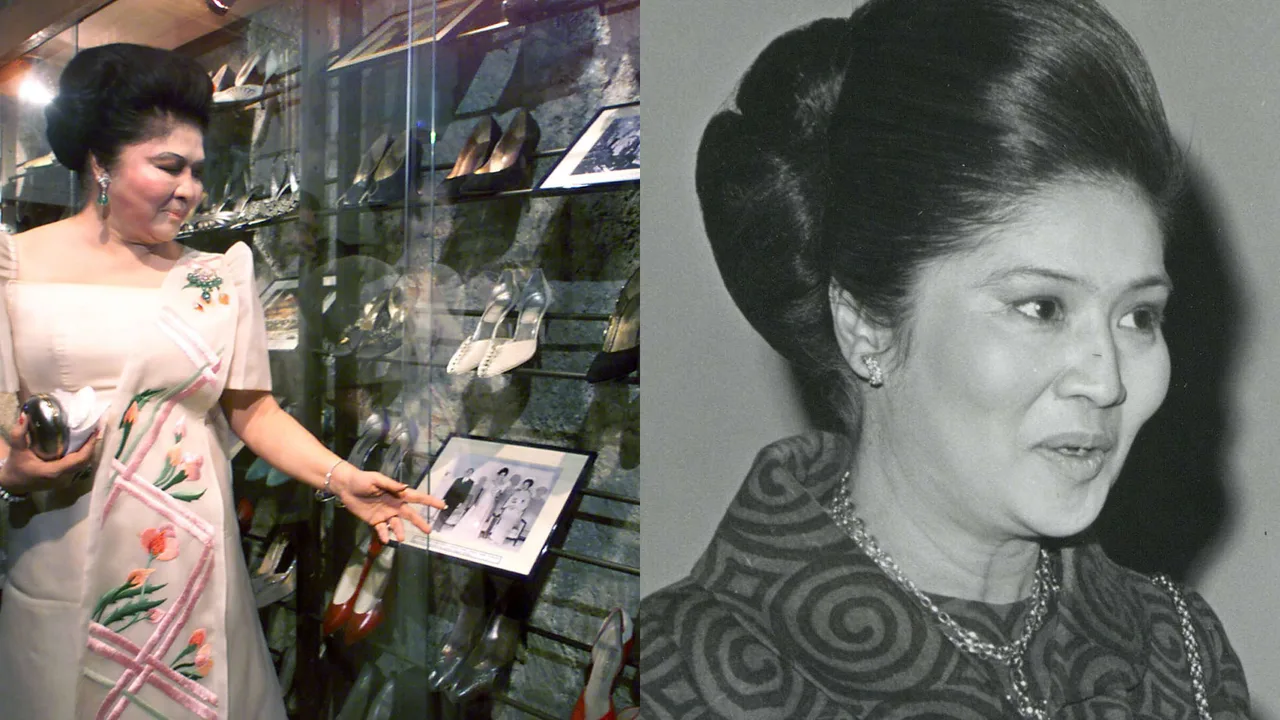
Former Philippine First Lady Imelda Marcos remains one of the most debated figures in the country's history. While known on the one hand for her efforts to raise the nation's international prestige and develop healthcare, culture, and education, she became famous on the other for her luxurious lifestyle and extravagant spending.
Some have called her one of the greediest and most ruthless rulers of her time. Criticism arose from the fact that while Imelda spent millions on her personal needs, a large portion of the population suffered from poverty and hunger. Nevertheless, there were also many Filipinos who genuinely loved her.
Imelda Marcos was born in Manila on July 2, 1929. According to official records, her father was lawyer Vicente Romualdez, and her ancestors belonged to wealthy landowners.
However, there is another version of her childhood. Journalist Carmen Pedrosa prepared a biographical book about the former first lady, providing information that Imelda grew up in poverty and dreamed of escaping destitution from a young age. Upon hearing about the book, Imelda, fearing the spread of unpleasant rumors about herself, tried to ban its publication.
The young Imelda dreamed of becoming an estrad singer and even performed on stages in Manila's entertainment venues. However, her father did not support her choice of this profession.
Her life changed radically in 1954. That year, she met Ferdinand Marcos, who was working in a responsible position in the House of Representatives of the Philippine Congress. The couple's relationship developed very quickly, and after just 11 days of meeting, Ferdinand proposed to her. Imelda agreed immediately.
When Ferdinand Marcos began his campaign for the presidency, Imelda actively supported him. She traveled across the country, attended official events, participated in diplomatic visits, and gave interviews about her husband's political program.
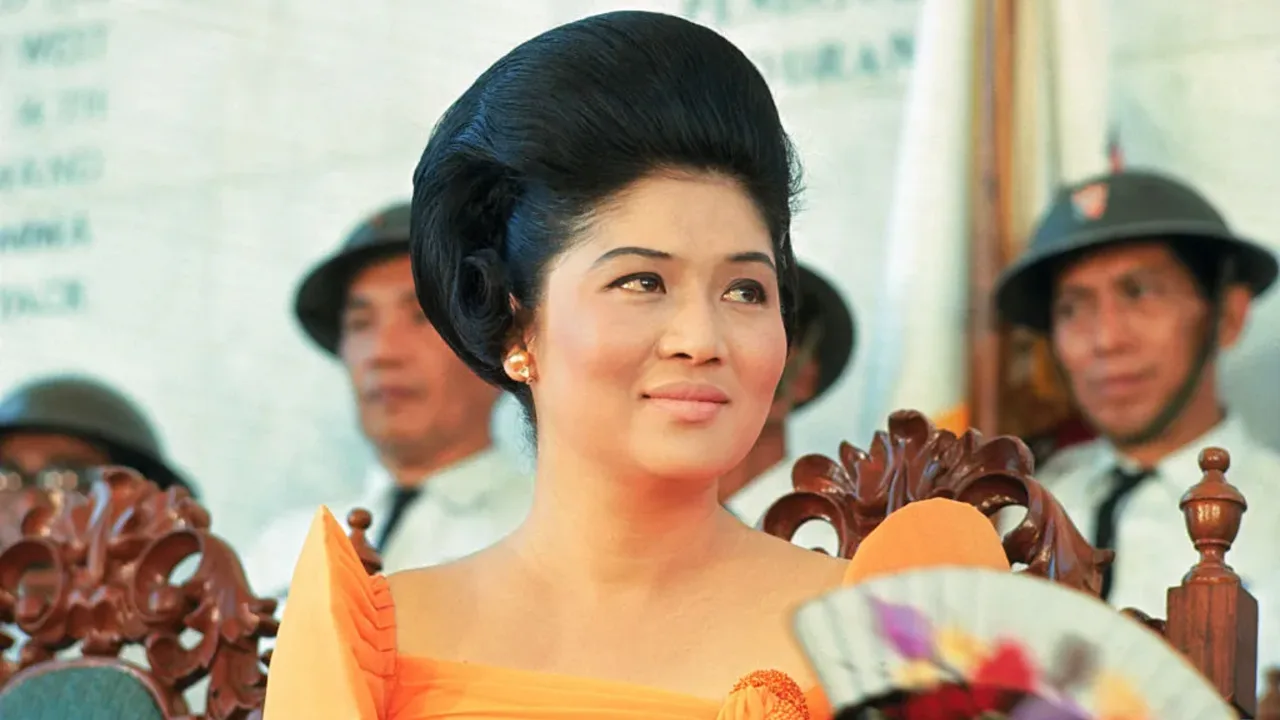
As a result, in 1965 Ferdinand Marcos became the 10th president of the Philippines. This further increased Imelda's political influence.
During the Cold War, the Philippine First Lady visited the USSR, China, Czechoslovakia, Romania, Hungary, East Germany, Iraq, Cuba, and North Korea as a presidential representative. She participated in meetings with political leaders such as Leonid Brezhnev, Kim Il Sung, Mao Zedong, Saddam Hussein, and Muammar Gaddafi.
As a result of Imelda's diplomatic activities, a series of peace agreements were signed in Tripoli regarding the conflict between the Philippine government and Islamic separatists of the Moro National Liberation Front. According to researchers, the Philippines' international prestige was never as high before or after the Marcos era as it was during their rule.
However, Imelda also paid great attention to domestic policy. During her tenure, the fields of culture, education, and healthcare developed. Several large medical centers, educational institutions, and cultural facilities were established, including the Cultural Center of the Philippines. Dozens of strategic facilities in the country were named after Imelda and Ferdinand Marcos.
However, the first lady's luxurious lifestyle did not escape public attention either. Imelda traveled to major fashion capitals, spending millions of dollars on expensive clothes and shoes. Her huge shoe collection later became one of the main symbols of Imelda Marcos's image.
The Marcos family also owned several real estate properties in the US, particularly in Manhattan. Imelda was also interested in art, and her personal collection included works by Michelangelo Buonarroti, Sandro Botticelli, and Canaletto.
Such an extravagant lifestyle sparked public criticism while a large part of the population lived in poverty. Some tried to trace the source of the Marcos family's wealth. Imelda insisted that the family's wealth was formed before the presidency and part of it was inherited from wealthy relatives.
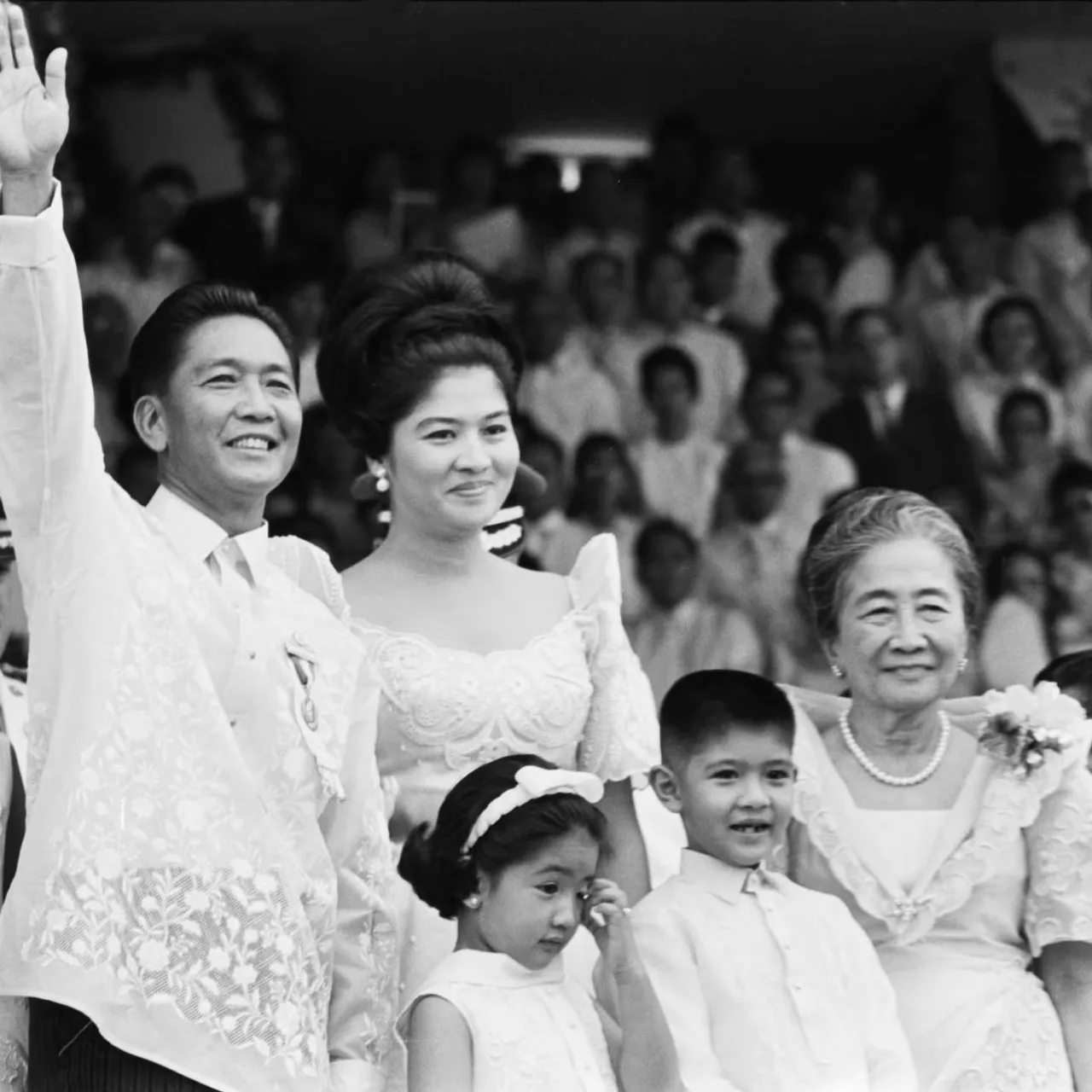
In 1980, Ferdinand Marcos's health deteriorated. He suffered from an autoimmune disease, lupus. During this period, rumors spread that Imelda had practically taken state affairs into her own hands.
Ferdinand Marcos was declared the winner again in the 1986 elections. But his opponents did not recognize the results. Supporters of Corazon Aquino and Benigno Aquino Jr. demanded an investigation and intensified protests across the country.
Despite the escalation of the situation, Ferdinand Marcos refused to use military force, left the country in 1986, and went into exile. Corazon Aquino assumed the presidency, and an investigation into the Marcos family's use of state funds began.
In 1988, formal charges were brought against Imelda and Ferdinand Marcos. However, the former president did not live to see the trial and died of kidney failure in 1989.
Imelda, meanwhile, tried to revive her political career. Due to her resolute character, Filipinos nicknamed her the "Iron Butterfly."
In 1990, she was acquitted of all charges due to procedural violations. Later, she returned to the Philippines and continued her political career. In 2010, she was elected to the House of Representatives from the province of Ilocos Norte.
However, the court cases did not end there. In 2018, Imelda Marcos was found guilty of seven counts of corruption and faced up to 11 years in prison. She remained free on bail and appealed the decision.
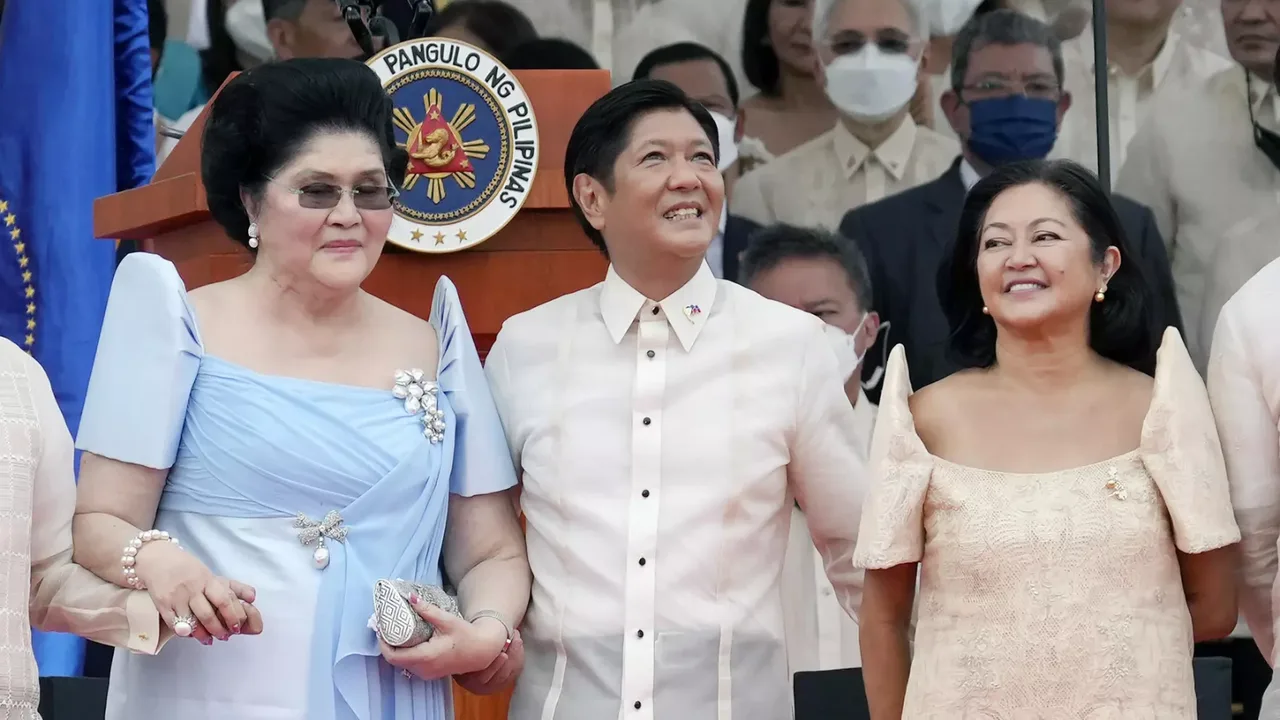
Nevertheless, attitudes toward the Marcos family remain mixed in Philippine society. Some citizens associate their years of rule with the country's development, increased international prestige, and major projects. Others remember this period for poverty, extravagance, corruption, and the heavy centralization of power.
Therefore, the name of Imelda Marcos remains one of the most discussed in the history of the Philippines. Her multi-million dollar purchases, famous shoe collection, diplomatic trips, and political influence caused her to go down in history as the "Iron Butterfly."


Comments 0
…