


Fandomats that pay money for plastic and glass containers launched in Uzbekistan
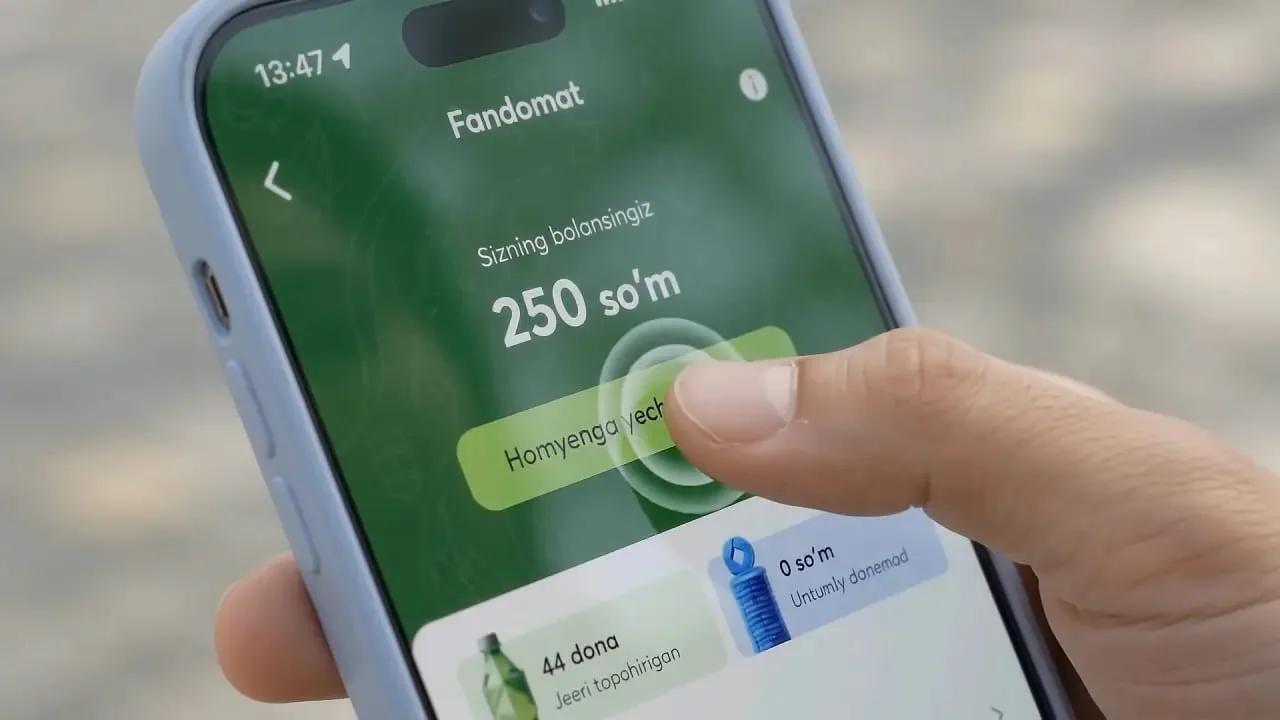
A revolutionary project that takes ecological culture to a new level and turns waste sorting into a source of income has begun to be implemented in Uzbekistan. Special "fandomats" (reverse vending machines) are being installed in crowded areas of the country by the Waste Management Agency, which accept plastic and glass containers and pay 150 soums for each container in return. Now citizens can drop off used empty containers at these modern automated machines instead of throwing them in the trash, and directly transfer the accumulated funds to their electronic wallets.
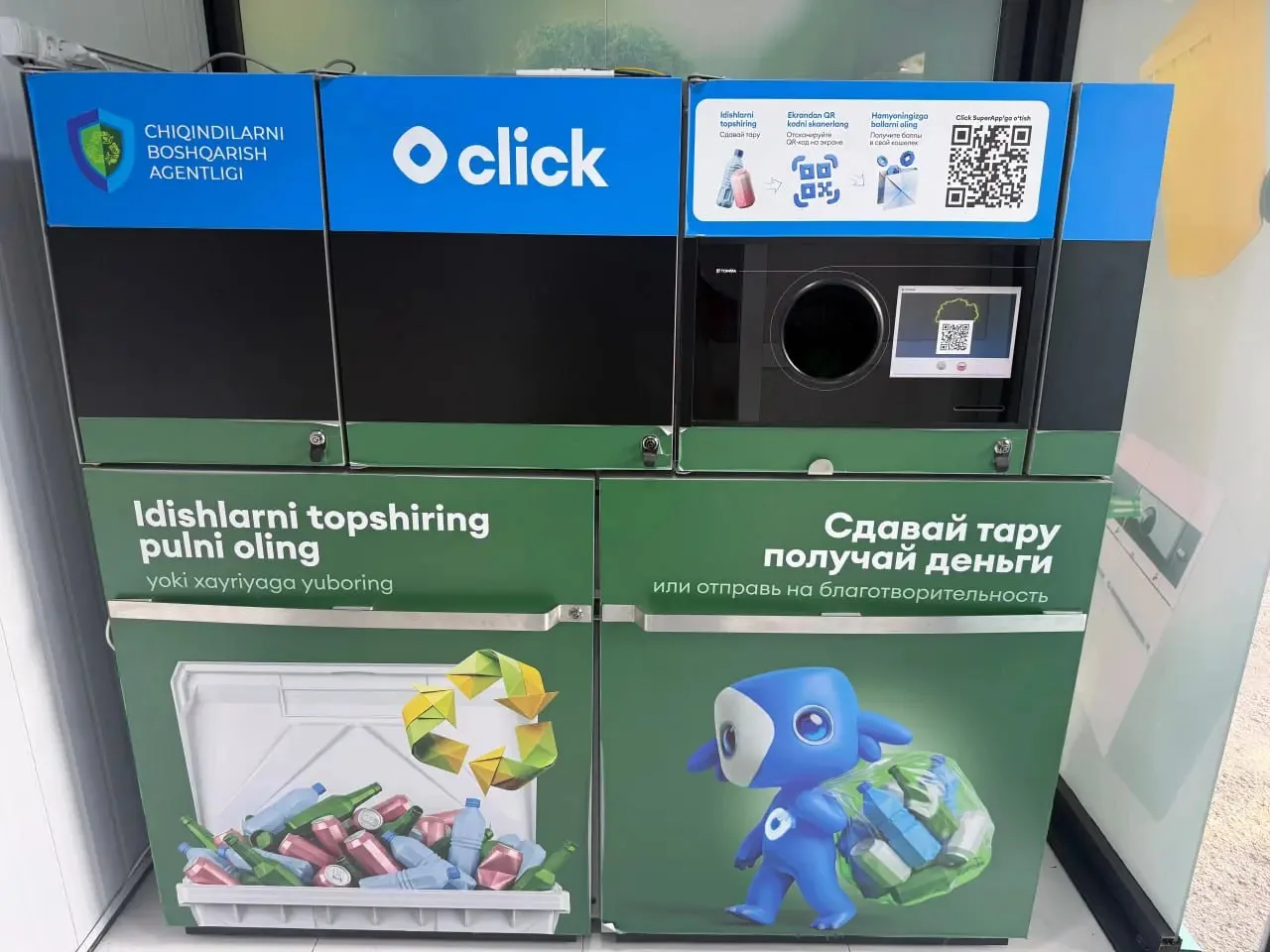
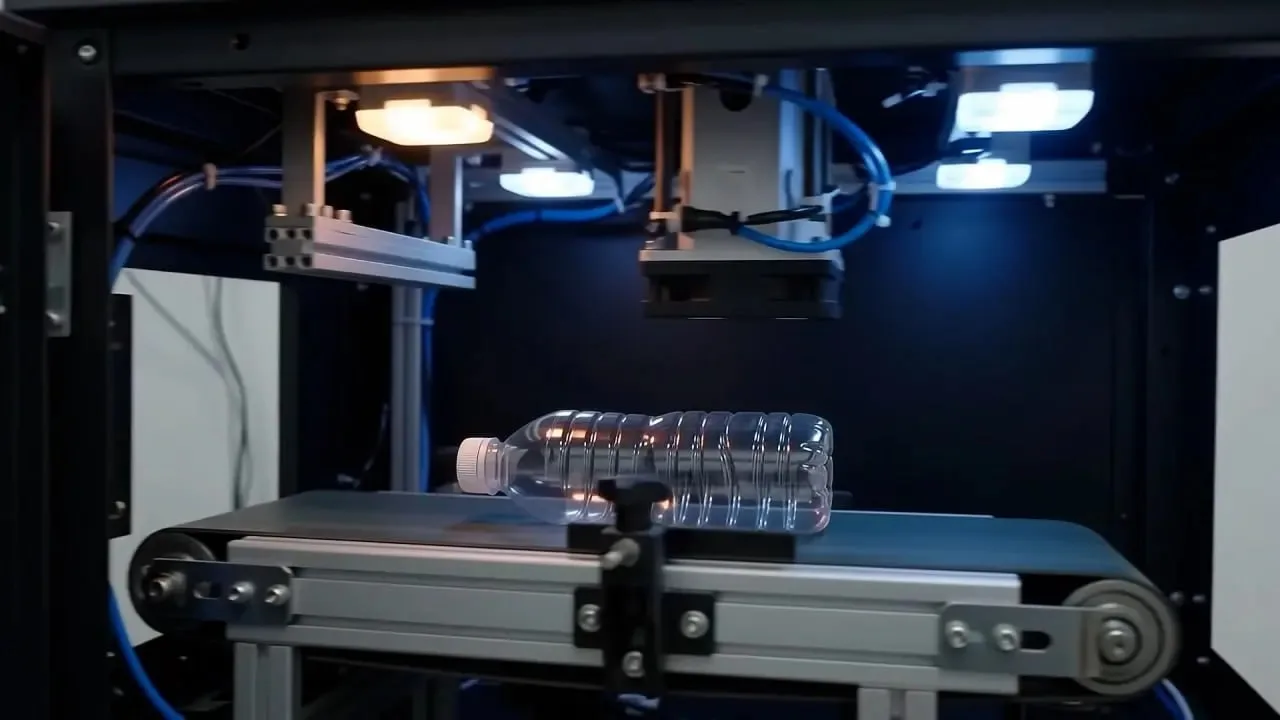
The system also provides users with the opportunity to direct these payments to noble charity events or finance tree-planting initiatives within the framework of the "Yashil makon" (Green Space) projects. Equipped with special touch scanners and a conveyor belt, the device automatically determines the size and type of the container, accepts it into the internal compartment, and fully synchronizes with the Click system via a QR code on the screen. Officials report that if this pilot project is successfully completed and justifies itself, such smart-fandomats will be gradually increased across all regions of our republic, large shopping centers, metro stations, and parks.
Well, how does the mechanism of submitting containers and making money work, how convenient is it to top up your wallet using a QR code, and why are such technologies considered the most powerful weapon in cleaning cities from plastic waste?
"150-soum payment, Click integration, and charity": 5 main points of the fandomat project
Important aspects of the new system launched by the Waste Management Agency:
Payment for each container: A payment of 150 soums has been set for each plastic or glass container submitted by the population;
Click and electronic wallet integration: Accumulated funds are transferred directly to a personal mobile wallet by scanning a special QR code on the screen;
Charity and "Yashil makon" opportunity: If users wish, they can spend the accumulated money on tree planting and ecological charity campaigns;
Smart scanning and automation: The camera and sensors built inside the machine instantly recognize and sort the container type;
Plan for nationwide expansion: If the pilot phase proves effective, the network of vending machines will be installed in crowded spots across all regions.
Evolution of waste collection: Comparison of ordinary trash cans and new smart-fandomats
Analysis of updates in ecological infrastructure and their advantages:
Criteria and parameters | Conventional trash bins and landfills | Newly installed smart-fandomats |
Financial benefit for the citizen | No financial incentives | Guaranteed payment for each container (from 150 soums) |
Waste collection system | Mixed and uncontrolled disposal | Sensor belt, automatic scanning, and sorting |
Digital payment technology | Not available | Contactless payment via Click system, mobile app, and QR code |
Social and charitable choice | Only throwing away as waste | Directing accumulated funds to tree planting and charity |
Ecological and cleanliness impact | Environmental pollution and decay | Clean raw material chain going 100% to recycling |
Population coverage and prospect | Local dumps | Starting from shopping malls and crowded places to the whole country |
Ecological and technological expertise: Why do fandomats radically solve the waste problem?
Conclusions of ecologists, economists, and IT specialists:
The power of "money motivation": Rather than simply campaigning people to "sort waste," paying specific money or a bonus for each container has proven more than 90 percent effective in world experience (for example, Germany's Pfand system); the 150-soum incentive helps shape a culture of cleanliness in children and youth;
Getting rid of household plastic: The main hazard that accumulates most on streets and in nature and does not decompose for hundreds of years is plastic bottles and containers; fandomats serve as a direct bridge delivering such raw materials in a clean state to recycling enterprises;
Full fintech integration: The connection of vending machines with the Click mobile application ensures a cashless, hygienic, and secure operation; the user monitors their balance and statistics of submitted containers on the phone screen;
Practical support for "Yashil makon": The opportunity to transfer accumulated funds to tree-planting initiatives gives citizens a sense of personal contribution to improving the country through waste.
This smart project of the Waste Management Agency is a huge step towards transforming Uzbek cities into a clean, green, and civilized environment based on innovative technologies.
Do you think dropping off plastic and glass containers into fandomats can become popular among the population? Is a payment of 150 soums per container enough to increase public activity, or should this price be increased even further? Leave your personal feedback in the comments and share this news, which is extremely important for our city's ecology, with all your loved ones!



Comments 0
…