


Tensions escalate between USA and Iran following attacks in the Strait of Hormuz
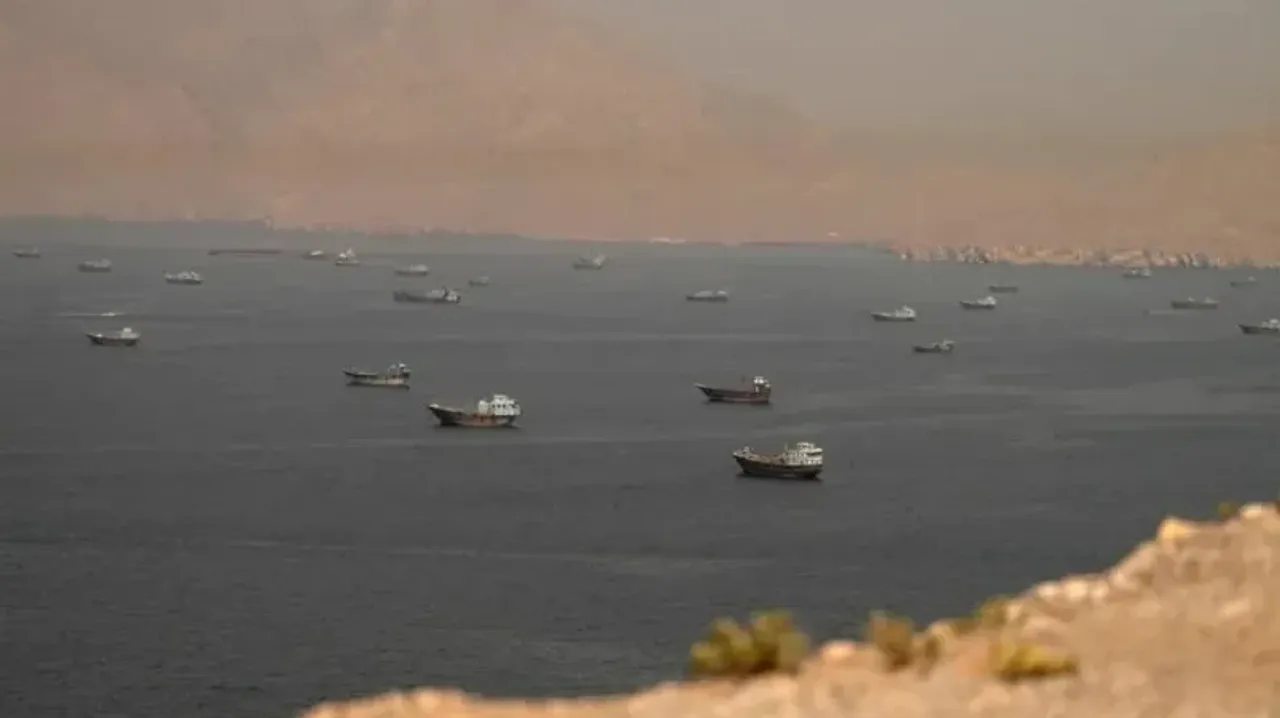
The US has launched new strikes on targets within Iran after three tankers were damaged by projectiles near the Strait of Hormuz. At the same time, Washington has revoked the permission that allowed Tehran to sell oil on international markets, reports Anhor.uz.
According to the US Central Command, the strikes targeted more than 80 locations. The American side stated that these included over 60 small vessels belonging to the Iranian Islamic Revolutionary Guard Corps.
Washington claims the operation was conducted to reduce the capabilities for attacking commercial vessels. The US command assessed Iran's actions as a violation of the ceasefire and a threat to free navigation.
The Iranian military command condemned the US strikes, calling them an act of aggression. Tehran stated it reserves the right to take countermeasures and will not allow US interference in the management of shipping in the Strait of Hormuz.
Iranian sources reported explosions on the islands of Kharg and Qeshm, as well as in the southern port cities of Sirik and Bandar Abbas. No information regarding civilian casualties has been provided.
It is reported that several people were injured by shrapnel after a projectile hit a commercial pier in Sirik. There are also reports of damage to fishing piers and fires on several fishing boats.
According to a US official, the strikes targeted Iranian air defense systems, coastal surveillance equipment, surface-to-air missiles, anti-ship cruise missiles, and drone launch sites.
This incident has become another test for the ceasefire agreement signed between the US and Iran last month. On Tuesday, Washington revoked one of the main concessions that allowed Iran to sell oil and petroleum products on international markets.
Previously, the US Treasury Department had issued a general license for the sale of Iranian oil, petrochemicals, and petroleum products until August 21. With the license revoked, Iran has been given until July 17 to wind down relevant operations.
Following reports of the reinstatement of restrictions, oil prices rose by more than 3 percent.
Qatar accused Iran of attacking ships, including the large liquefied natural gas tanker Al Rekayyat. Doha stated that the ship was struck by a drone, causing a fire in the engine room. The crew was evacuated to safety.
There were also reports that a Saudi-flagged tanker, possibly the supertanker Wedyan, was damaged near the coast of Oman. The cause of the damage was not immediately disclosed.
The Qatari Foreign Ministry summoned the deputy Iranian ambassador and handed him a note of protest. The Iranian Foreign Ministry called the accusations incomprehensible and stated that Tehran is fulfilling its obligations.
The ceasefire agreement was intended to provide a 60-day window for negotiations on a permanent deal. However, indirect talks held in Qatar have not yet yielded results.
US President Donald Trump previously stated that if a deal with Iran is not reached, Washington is prepared to resume strikes. Iranian Foreign Minister Abbas Araghchi stated that if threats continue, negotiations on a final agreement will not begin.



Comments 0
…