


«Where did 314 trillion sums go?»: The President on the drastic difference in poverty reduction
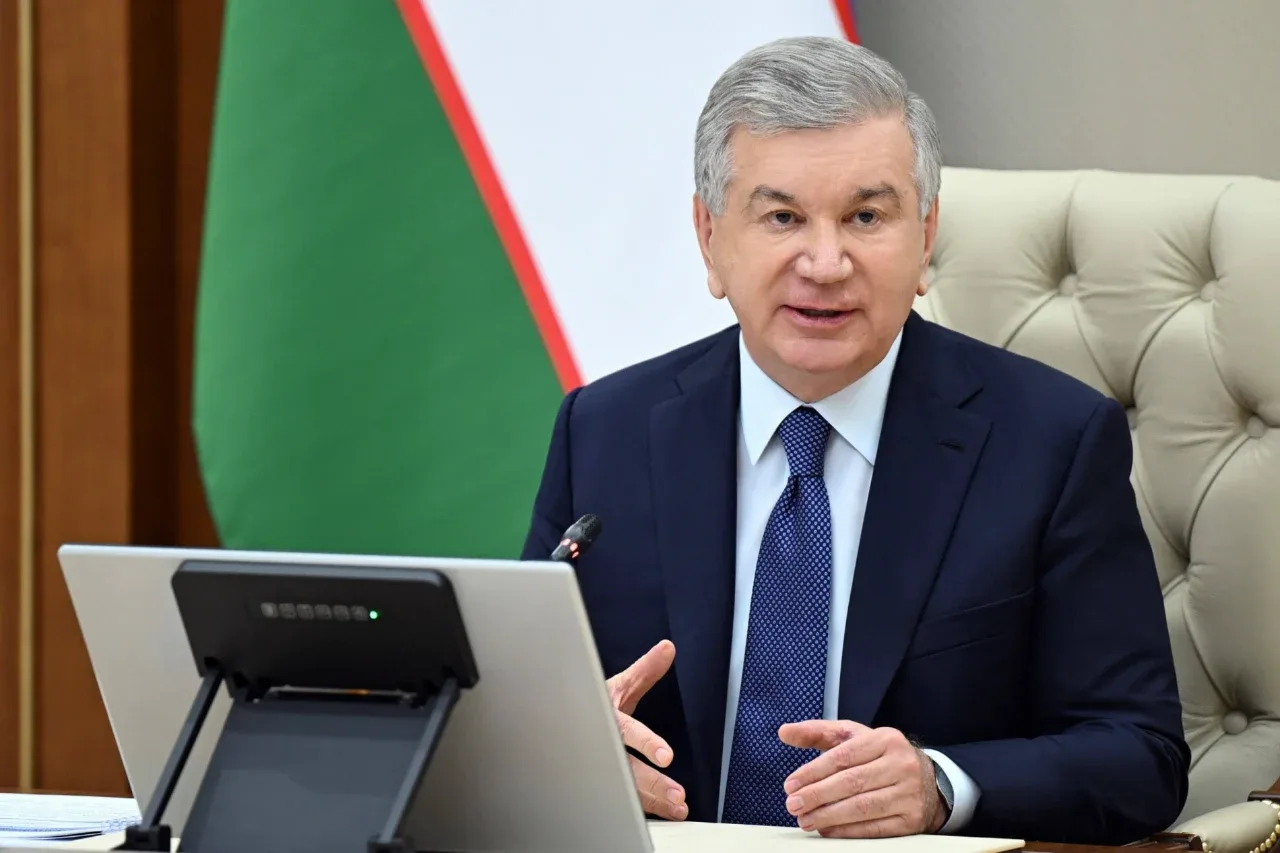
An extended video selector meeting chaired by the President of the Republic of Uzbekistan is underway, dedicated to the issues of poverty reduction and increasing the population's income. The Head of State noted that over the past three years, exactly 314 trillion sums of funds have been channeled to develop entrepreneurship in neighborhoods. While opportunities and financial resources are being allocated equally to all regions, he posed sharp questions to the responsible officials as to why there is a vast, day-and-night discrepancy in the final results.
General indicator: Reduction from 2.2 million to 1.5 million
There are achieved results nationwide and noticeable positive shifts in the system's work across regions:
The poverty rate dropped to 5.8 percent: At the beginning of the year, the number of needy population stood at 2.2 million, but as a result of the implemented measures, this figure decreased to 1.5 million;
Exemplary regions: The system has been properly established in 49 districts and 3,429 neighborhoods, and they are gradually achieving the status of a "poverty-free region";
Lagging in 159 cities and districts: Unfortunately, indicators remain weak in the remaining 159 districts and cities.
«The same resources — different efficiencies»: Sharp and striking contrasts
At the meeting, striking examples were cited regarding the efficiency of loans allocated by districts:
Sharof Rashidov and Karshi districts (received 2.3 trillion sums each):
In Sharof Rashidov district, an average of 78 million sums was spent to lift one citizen out of poverty, and a total of 30,000 residents were officially provided with income;
Whereas in Karshi district, the amount per person reached 176 million sums, and the number of employed individuals was limited to just 13,000;
Kamashi and Piskent districts (1.1 trillion sums allocated to each):
In Kamashi district, 28,000 citizens were lifted out of poverty thanks to the allocated funds;
While in Piskent district, only 4,500 people were deregistered, and the funds spent per citizen reached a record level of — 250 million sums!
A similarly negative and inefficient situation persists in Guzar, Nishon, Muborak, Yangikurgon, Taylak, Baysun, Altinsoy, Bandikhan, Besharik, Fergana districts, as well as in the cities of Nurafshon, Bekabad, and Yangiyul.
What is the main problem? The President sharply criticized officials
The Head of State emphasized that the main factor behind such huge disparities and inefficiency in the regions is the incompetence of certain leaders directly responsible for the neighborhood system:
Inability to provide guidance: Leaders do not know the mechanisms for properly directing trillions of allocated funds toward the population earning real income;
Shirking responsibility and fear: Many officials are afraid of showing independent initiative and openly shirk taking responsibility.
Strict control and accountability are required in the system so that billions and trillions in preferential loans have a real impact on the well-being of the people.
In your opinion, why can people be lifted out of poverty with 78 million sums in one district, while 250 million sums is not enough in another? Which officials should be held personally accountable for the inefficient spending of the allocated trillions? Leave your thoughts in the comments!



Comments 0
…