


Fever is not an enemy: What to do and what not to do when a child has a fever
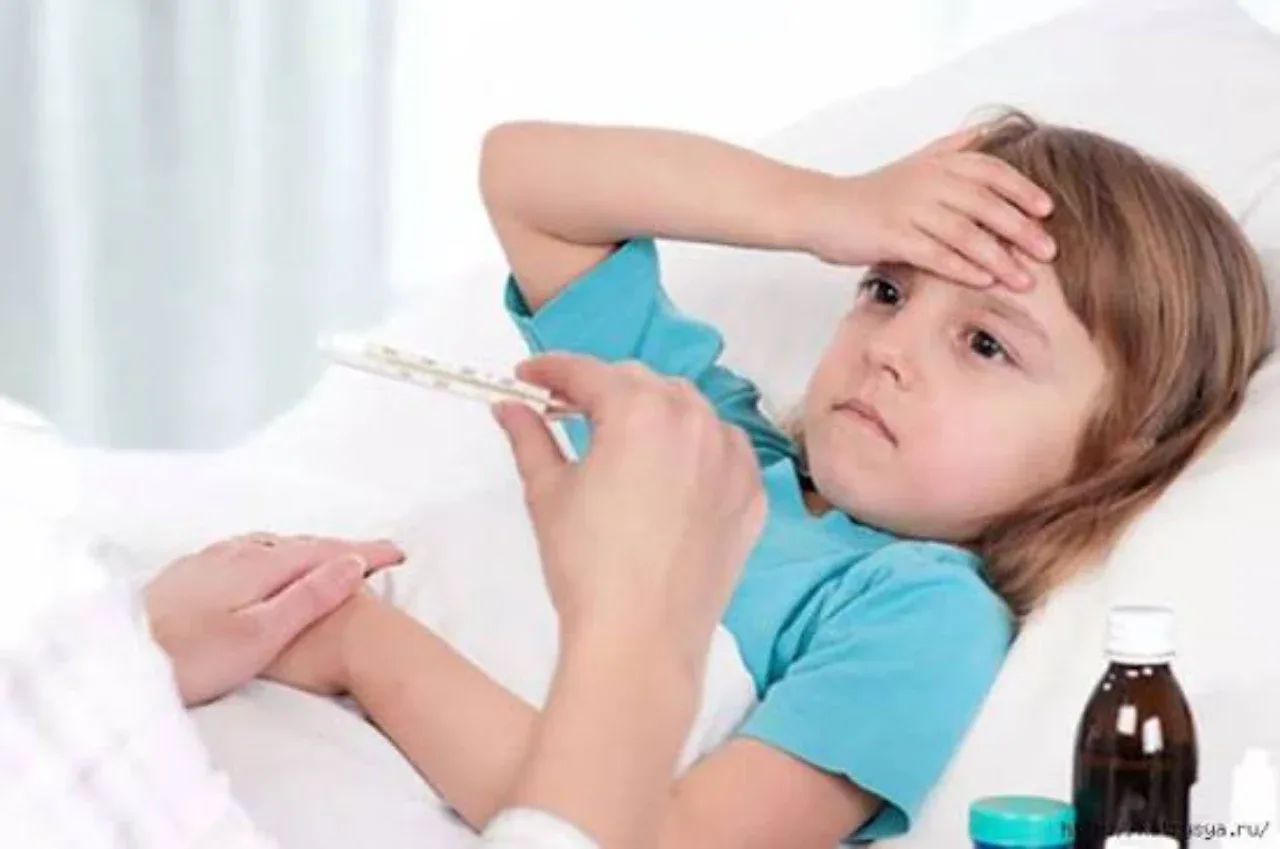
A rise in a child's body temperature causes serious concern for many parents and often prompts them to hastily buy and administer various potent medications from the pharmacy. However, pediatricians and specialists emphasize that a fever is not a disease in itself, but rather a positive natural defense reaction indicating that the body is fighting an infection.
To ensure the immune system develops properly in the child's body and that unnecessary medications do not cause harm, it is essential to strictly follow the basic medical recommendations below.
Why shouldn't you give medicine immediately?
Important aspects when a child's body temperature rises:
Natural immune response: A temperature around 37.5°C — 38°C means the body is actively producing antibodies against the infection and the immune system is working properly;
Beware of antibiotics: Giving antibiotics during the first 2-3 days of a fever without a doctor's examination and lab tests disrupts the child's immune system and destroys beneficial microflora;
Fever reducers are not necessary up to 38°C: If the temperature does not exceed 38°C and the child's general condition is stable, artificially lowering the temperature is not recommended, as this interferes with the body's process of fighting the infection.
What to do when the temperature exceeds 38°C?
When the temperature reaches high levels, the following measures should be taken:
Preventing blood thickening: After the body temperature exceeds 38°C, dehydration increases and the blood begins to thicken. It is at this stage that age-appropriate fever-reducing agents recommended by a doctor can be used;
The most important factor is drinking plenty of fluids: It is essential to give the child warm water, compote, or special rehydration solutions frequently and in small amounts. Fluids help flush toxins from the body and naturally regulate temperature;
If the fever persists — see a doctor: If a high temperature (above 38°C) does not subside for more than 2-3 days, it is imperative to show the child to a pediatrician, take a general blood test, and apply anti-inflammatory or other necessary treatments only under a specialist's guidance.
The main goal in a child's health is not simply to lower the thermometer reading, but to safely and properly help the body overcome the illness.



Comments 0
…