


The bitter price of staying up late: How does late sleep accelerate hair loss?
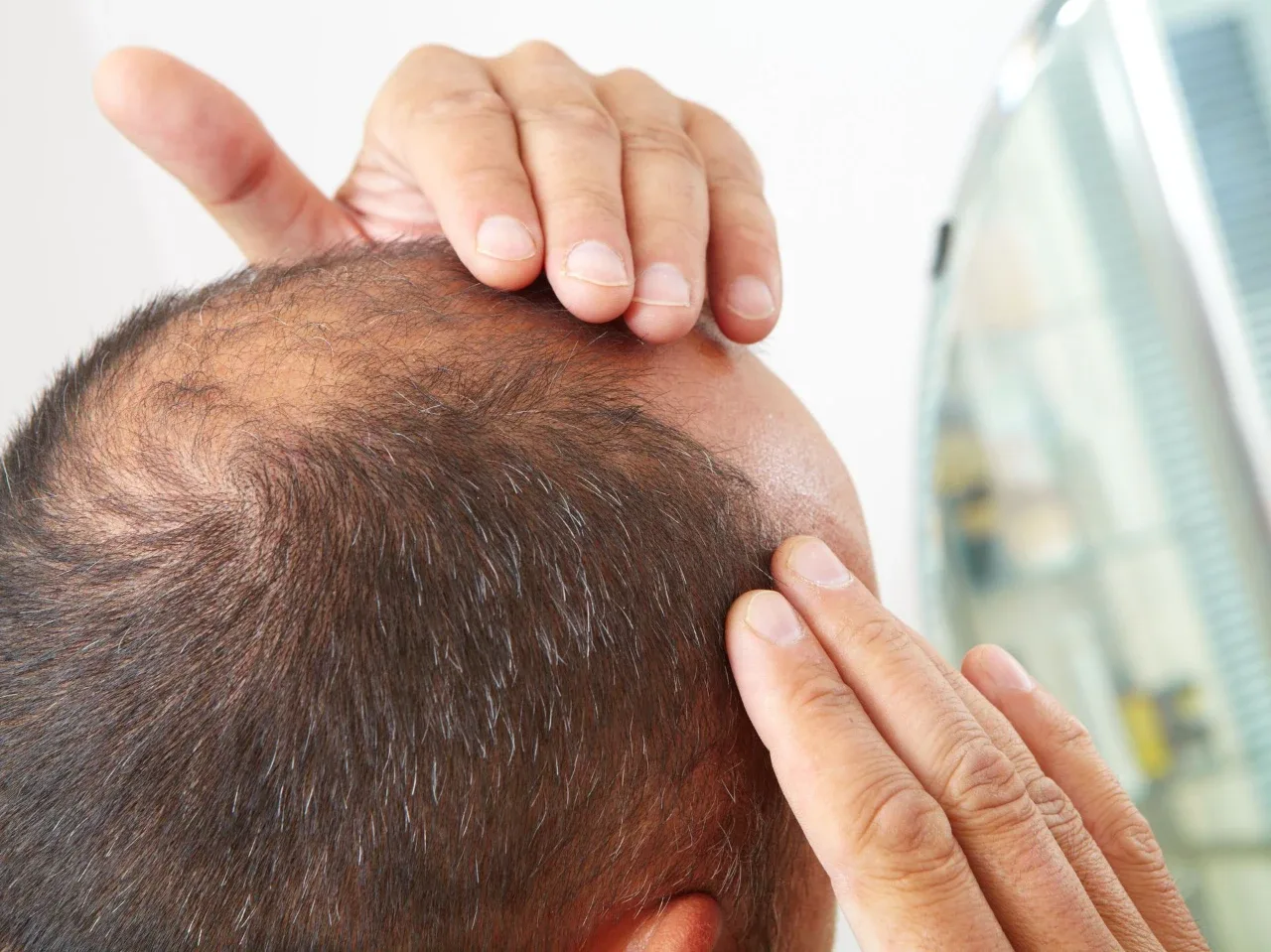
Chronic late nights and staying up late are not just causes of general fatigue, but also one of the most serious hidden factors leading to hair loss (alopecia). The regeneration and development of hair follicles in the human body are directly linked to natural biorhythms and the balance of essential hormones produced during sleep.
Medical experts emphasize that an improper sleep schedule weakens hair follicles and accelerates the process of massive hair loss.
How does staying up late destroy hair?
Lack of sleep at night triggers 3 dangerous biological processes in the body that strike at the hair roots:
Melatonin deficiency: Melatonin, a hormone that stimulates hair follicle growth and acts as a powerful natural antioxidant, is produced at its maximum level primarily between 10:00 PM and 2:00 AM, and only in absolute darkness. Staying up at night completely disrupts this natural mechanism;
Cortisol (stress hormone) attack: Staying up late is a biochemical stress for the body, causing a sharp increase in blood cortisol levels. As a result, hair strands prematurely enter the resting (telogen) phase and begin to fall out unexpectedly;
Sluggish blood circulation and nutrition: Cellular regeneration of hair follicles is activated precisely during deep night sleep. When night sleep is disrupted, hair roots are deprived of oxygen and essential microelements.
Other internal factors exacerbating the problem
In addition to sleep schedule disruptions, the following factors also directly affect hair condition:
Hormonal changes: Disorders in thyroid gland function and an increase in dihydrotestosterone (DHT) hormone;
Vitamin and microelement deficiency: Lack of iron (ferritin reserves), Vitamin D, zinc, and B-group vitamins in the body;
Genetic predisposition: Androgenetic alopecia, which develops due to hereditary factors in men and women.
What should be done?
If hair thinning is observed, first and foremost, strict adherence to sleep hygiene — establishing a routine of going to sleep no later than 11:00 PM every night — is necessary.
If the process does not stop even after normalizing sleep, it is essential not to let the problem deepen, but to undergo relevant blood tests and consult a qualified trichologist or dermatologist.



Comments 0
…