


Natural protection against colds: What nutrients does the body need before winter?
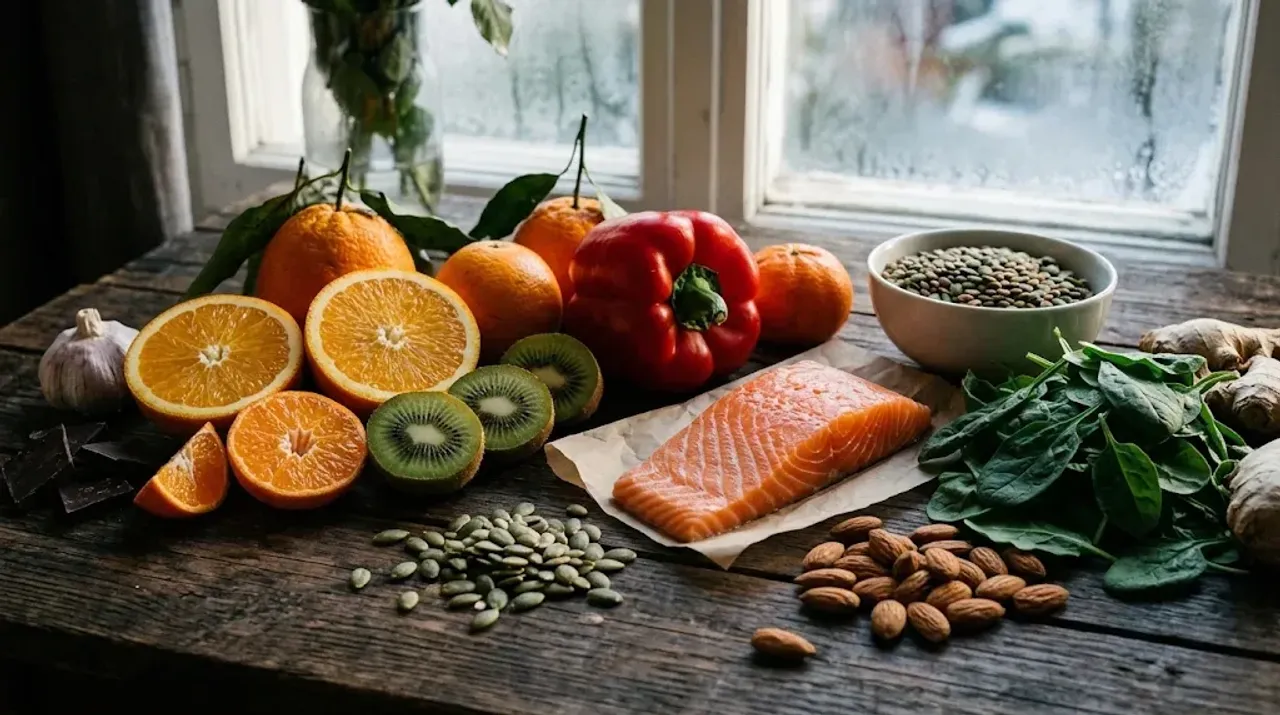
The last month of autumn, November, is characterized by a sharp drop in air temperature, a decrease in sunlight, and the activation of seasonal viruses. During this period, the human body experiences adaptive stress: immunity weakens, chronic fatigue increases, and mood swings are observed.
Medical experts and nutritionists have identified 7 essential vitamins and microelements needed to naturally strengthen the body, fight viral infections, and maintain high energy levels during cold days.
November diet: 7 most essential substances for the body
Important sources to boost immunity and general health on the threshold of winter:
1. Vitamin C — Natural immune shield:
The primary assistant in strengthening immunity, it fights seasonal colds and infections.
Where to get it: Citrus fruits (oranges, lemons, tangerines), red bell peppers, broccoli, cabbage, kiwi, parsley, and rose hips.
2. Vitamin D — Against sunlight deficiency:
In short days and cloudy weather conditions, vitamin D deficiency increases sharply. It plays an important role in strengthening bones, boosting immunity, and resisting autumn blues (depression).
Where to get it: Fish oil, salmon, herring, egg yolks, and natural mushrooms.
3. Zinc — Virus barrier:
Ensures cell regeneration and helps prevent the spread of viruses when cold symptoms begin.
Where to get it: Pumpkin seeds, quality beef, legumes (chickpeas, mung beans, beans), wheat germ, and nuts.
4. Omega-3 fatty acids — Defense for the brain and blood vessels:
Improves blood circulation, protects the cardiovascular system from the effects of cold temperatures, and increases the brain's ability to concentrate.
Where to get it: Fatty sea fish (salmon, tuna, herring), flax seeds, chia seeds, and walnuts.
5. Iron — A remedy for energy and anemia:
Participates in transporting oxygen to tissues, eliminating drowsiness and chronic weakness in November.
Where to get it: Red meat, beef liver, spinach, lentils, and legumes.
6. Magnesium — A cure for stress and insomnia:
Calms the nervous system, reduces autumn anxiety, and ensures deep, quality sleep.
Where to get it: Almonds, spinach, dark chocolate (at least 70%), buckwheat, avocado, and bananas.
7. Antioxidants (Vitamins A and E) — Cell and skin protection:
Prevents skin dryness caused by cold and dry wind, protects cells from free radical damage, and ensures visual acuity.
Where to get it: Carrots, sweet potatoes (yams), greens (Vitamin A); almonds, sunflower seeds, and quality vegetable oils (Vitamin E).
Autumn nutritional balance chart
Substance / Vitamin | Main function | Richest natural sources |
Vitamin C | Fighting infections, immune protection | Citrus, bell peppers, kiwi |
Vitamin D | Bone strength, autumn mood | Salmon, egg yolk, fish oil |
Zinc | Stopping viral replication | Pumpkin seeds, beef, legumes |
Omega-3 | Brain function, vascular elasticity | Fatty fish, flax and chia seeds |
Iron | Energy, hemoglobin and oxygen exchange | Red meat, beef liver, spinach |
Magnesium | Calming nerves, quality sleep | Almonds, dark chocolate, buckwheat |
Vitamins A and E | Preventing skin dryness, cell protection | Carrots, vegetable oils, almonds |
Expert recommendation for seasonal adaptation
In November, it is recommended not to limit the diet only to dough-based and heavy foods, but to regularly include products rich in the above-mentioned microelements in the daily meal plan. This not only ensures a healthy and easy transition to the winter season but also helps to achieve high immunity naturally, without medications.



Comments 0
…