


Scientists modified bacterial genetic code using artificial intelligence
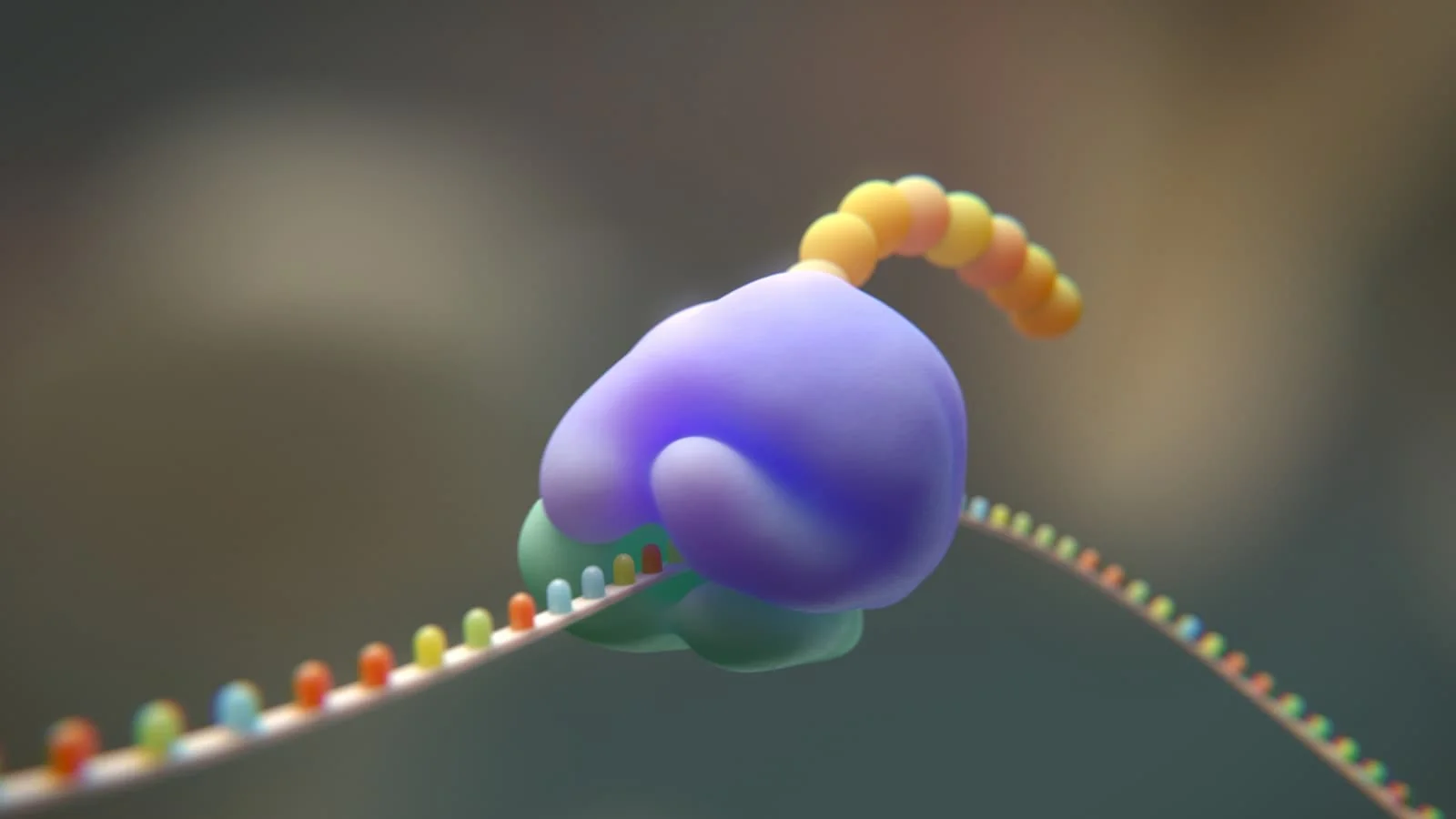
Scientists from Columbia and Harvard universities have conducted an experiment to shorten the genetic code of E. coli bacteria. Ixbt.com reports on this.
The researchers studied whether cell viability could be maintained by removing one of the 20 standard amino acids. For this purpose, the amino acid isoleucine was selected.
Initially, the scientists replaced isoleucine with valine in 36 essential genes. As a result, some bacteria died, but half of the genes continued to function.
In the next stage, ribosomal proteins were tested.
Using artificial intelligence models, an alternative sequence for ribosomal proteins was developed. During the experiment, although the growth rate of the bacteria slowed by 30-40 percent, they remained alive.
The scientists consider this result the first step toward creating alternative biochemical systems.



Comments 0
…