


NASA Accelerates Nuclear Engine Project for Mars Mission
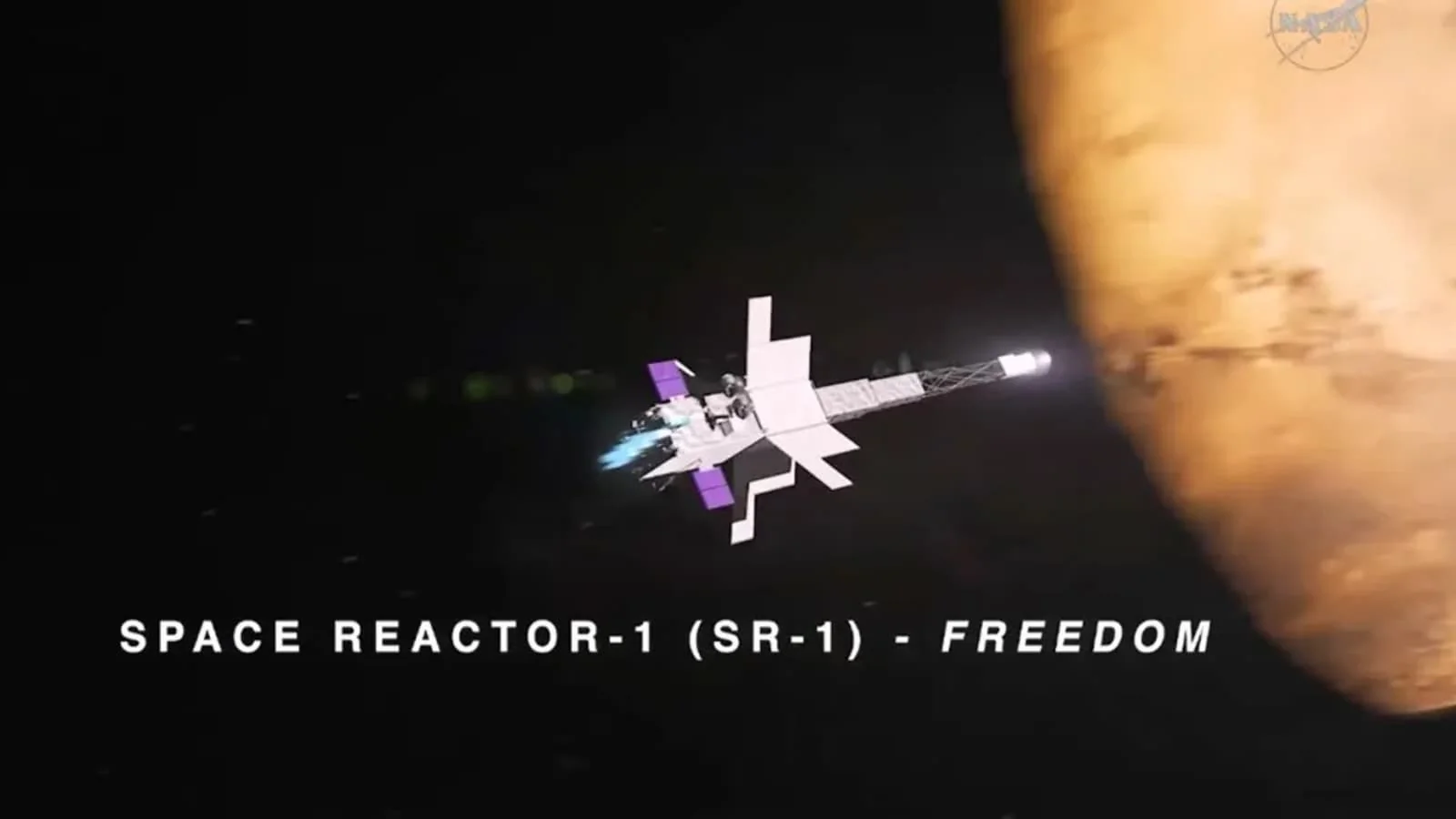
NASA is developing a simplified management model for the Space Reactor 1 Freedom (SR-1 Freedom) mission, which will demonstrate a nuclear electric propulsion system designed for travel to Mars. Scheduled for launch in approximately 2.5 years, this mission aims to be the first in history to power ion or plasma engines using electricity generated by a nuclear reactor. This technology ensures high efficiency for long-distance interplanetary flights. According to Ixbt.com report .
NASA administration is reviewing management processes to accelerate project implementation. Acting Associate Administrator Lori Glaze stated that the agency is adapting existing requirements to reduce decision-making delays and remove administrative barriers. This approach allows the project to be completed within the specified short timeframe.
The rapid implementation of the mission is linked to the use of existing technical infrastructure. The Power and Propulsion Element (PPE) module, currently being developed for the Gateway lunar station, has been selected as the platform. Additionally, research reactor projects developed by the US Department of Energy will be used for the nuclear component. The device will be equipped with a long truss separating the reactor from the main section and large radiators for heat dissipation.
As part of the SR-1 Freedom mission, the SkyFall spacecraft will also be delivered to Mars. This system will enter the planet's atmosphere and deploy three small helicopters based on the Ingenuity design. NASA aims to minimize the volume of new developments by maximizing the use of technologies tested during the Perseverance mission.
The project cost has not yet been officially disclosed. Although SR-1 Freedom was not included in the budget request for fiscal year 2027, funding is planned through the reallocation of existing funds, including a portion of the budget allocated for the Gateway program.


Comments 0
…