


WhatsApp Introduces Usernames: Could Fraud Risks Increase?
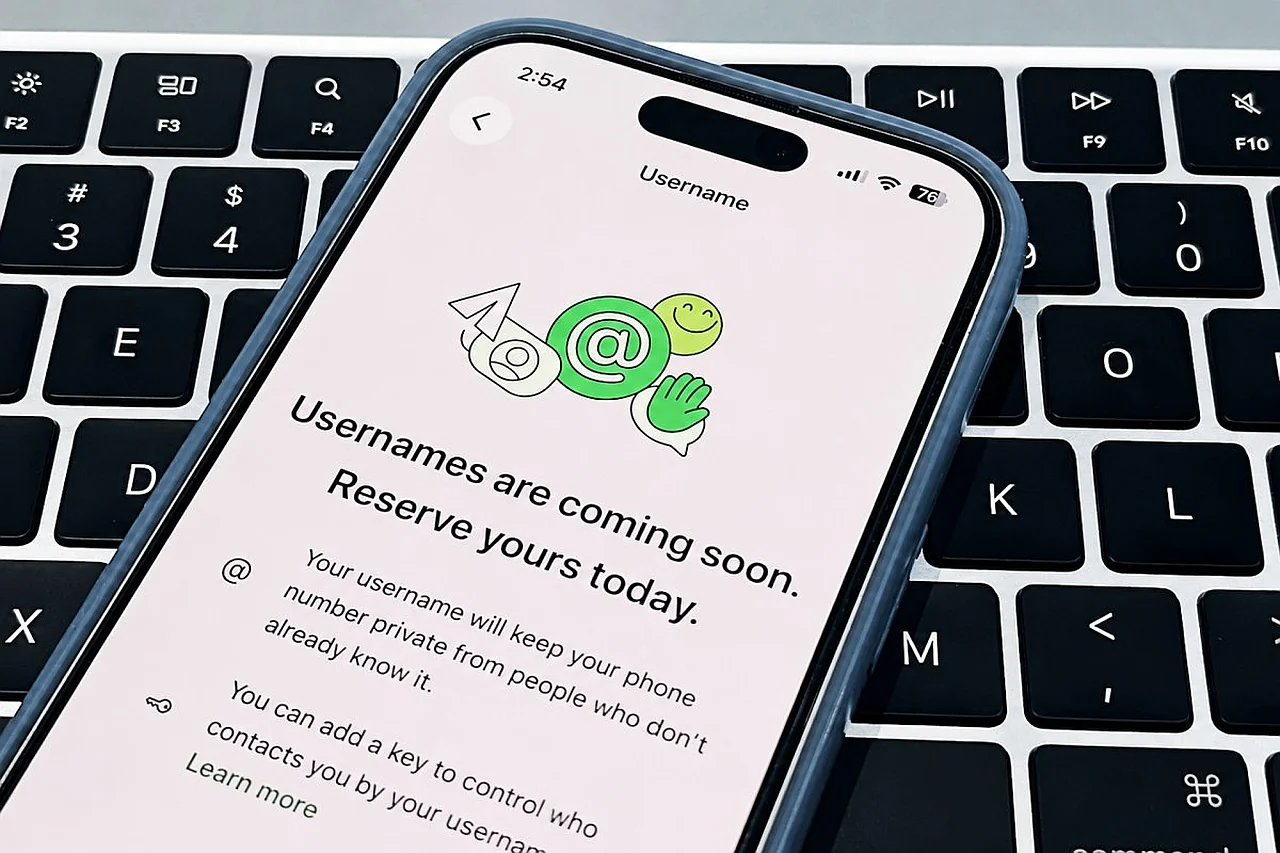
WhatsApp, one of the world's most popular messengers, has begun offering users the ability to reserve unique usernames instead of relying solely on phone numbers. This feature is expected to be available to everyone by the end of the year. However, even before its full launch, the new feature is causing serious concern among security experts and government regulators. This is reported by Techcrunch.com reports .
The issue is that while using usernames may enhance privacy, it could also increase instances of impersonation and fraud. According to TechCrunch, initial tests revealed that usernames very similar to those of prominent politicians, celebrities, and major organizations remained available for reservation.
Fake accounts and security concerns
In India, the messenger's largest market, this issue is being addressed at the government level. The Ministry of Electronics and Information Technology (MeitY) has sent an official warning letter to WhatsApp management. Regulators believe that usernames could exacerbate cyber-fraud, phishing, and fake "digital arrest" schemes, as criminals could send messages in the name of influential figures without revealing their phone numbers.Meta claims it has protection systems in place. According to company representatives, specific names for public figures, government agencies, and certain brands have been pre-reserved. However, Meta has not disclosed the criteria used to protect these names. For instance, Binance founder Changpeng Zhao reported that he was unable to reserve his traditional "cz_binance" handle, used on other platforms, on WhatsApp.
Debate between regulators and rights advocates
The Indian government is demanding that WhatsApp refrain from fully launching this feature until consultations are complete. The ministry emphasizes that an increase in attacks using the names of banks and law enforcement agencies poses a social risk. This topic is also relevant for users in Uzbekistan, as fraud via messengers is frequently observed in our region as well.On the other hand, digital rights organizations like the Internet Freedom Foundation (IFF) are criticizing this government intervention. They argue that fraud should be combated through the enforcement of criminal law rather than technological restrictions. Otherwise, state authorities could exert undue pressure on the product design and features of private companies.
WhatsApp is expected to reach a final decision on these controversial issues in the coming months. For now, users are advised to reserve their desired names as soon as the opportunity arises to protect their personal brands. The introduction of usernames on the messenger will further reduce the identification gap with competitors like Telegram.


Comments 0
…