


NASA Reveals Causes of Boeing Starliner Project Failures
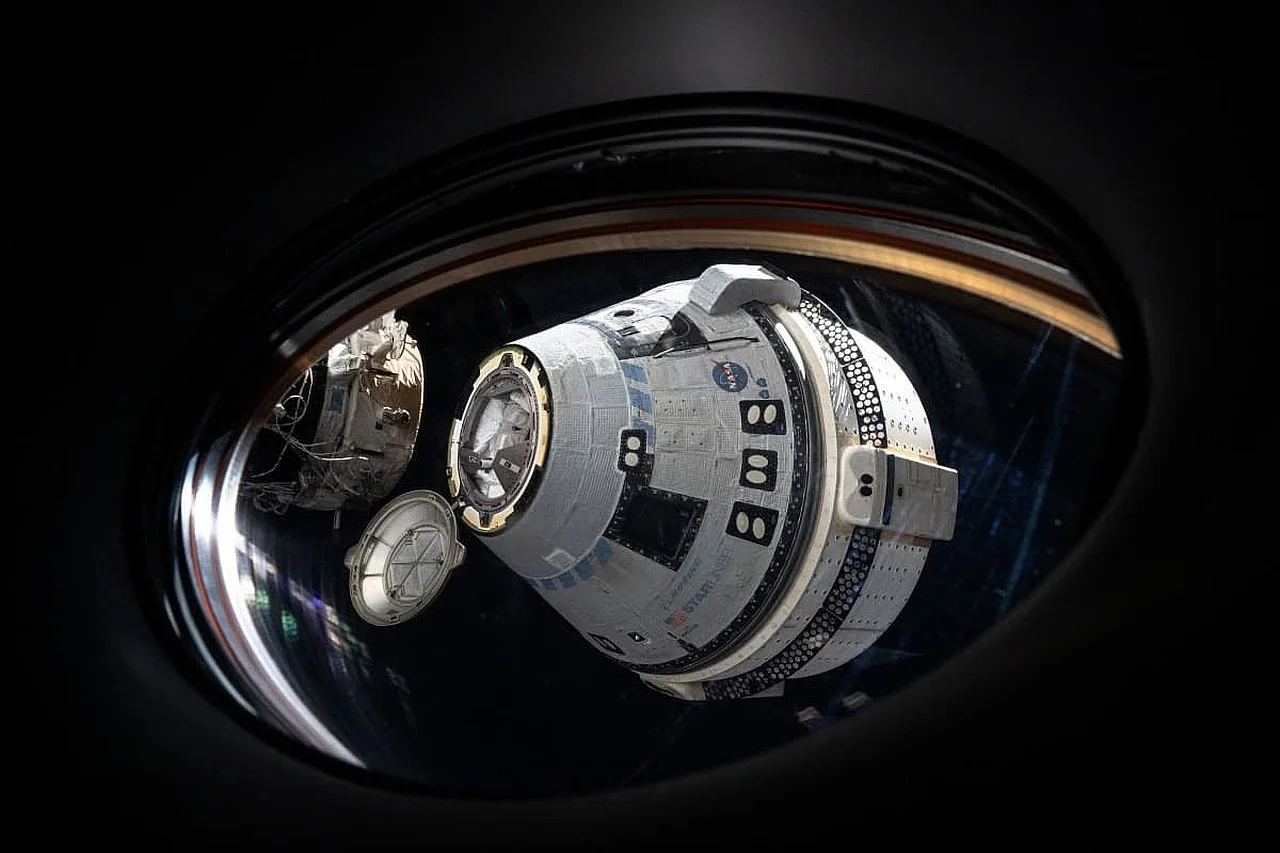
The National Aeronautics and Space Administration (NASA) has officially acknowledged that technical problems with the Starliner spacecraft developed by Boeing were the result of systemic management errors and planning deficiencies. According to a new report from the NASA Inspector General, project delays and in-flight malfunctions pose a serious risk to the future of the space program. This analytical document reveals why one of the largest projects in the space industry reached the brink of crisis. This is reported by Ixbt.com news says.
The report notes that the contract model between NASA and Boeing limited data exchange. Agency specialists did not have full information on the spacecraft's simulation tests and safety indicators. In particular, limited data on scenarios where the spacecraft or crew could be lost hindered the correct assessment of systemic risks before flight. This created the grounds for unexpected malfunctions during the Crew Flight Test (CFT) mission.
Experts believe that Boeing placed excessive trust in its legacy technologies and did not realistically assess the time needed to prepare the new spacecraft design. Although it had been claimed since 2021 that the project would be completed every six months, the first crewed flight actually took place only in June 2024. Such haste and poor planning negatively impacted the quality of the spacecraft systems testing.
Technical malfunctions and staffing shortages
During the Starliner's most recent mission to the International Space Station (ISS), serious malfunctions were observed in the engines. As a result, the spacecraft was forced to return to Earth uncrewed, while the astronauts remained on SpaceX's Crew Dragon spacecraft. The NASA report states that staff turnover in the agency's commercial flights department reached 21%, which slowed down safety analysis and certification processes.Currently, the following main problems regarding the future of the project remain:
- Malfunctions in the engines' orientation system have not yet been fully resolved;
- The problem of overheating elements in the service module remains unsolved;
- The next Starliner-1 mission has been switched from crewed to uncrewed mode;
- The final certification of the spacecraft for regular flights has been postponed until at least 2027.
Another factor complicating the situation is that the operational life of the International Space Station ends in 2030. If the certification of the Starliner spacecraft is extended until 2027, Boeing may not manage to complete all planned missions before the station's expiration. This increases the risk of the US becoming solely dependent on the SpaceX platform for space access.


Comments 0
…