


Venus Aerospace Raises $90 Million for Hypersonic Engines
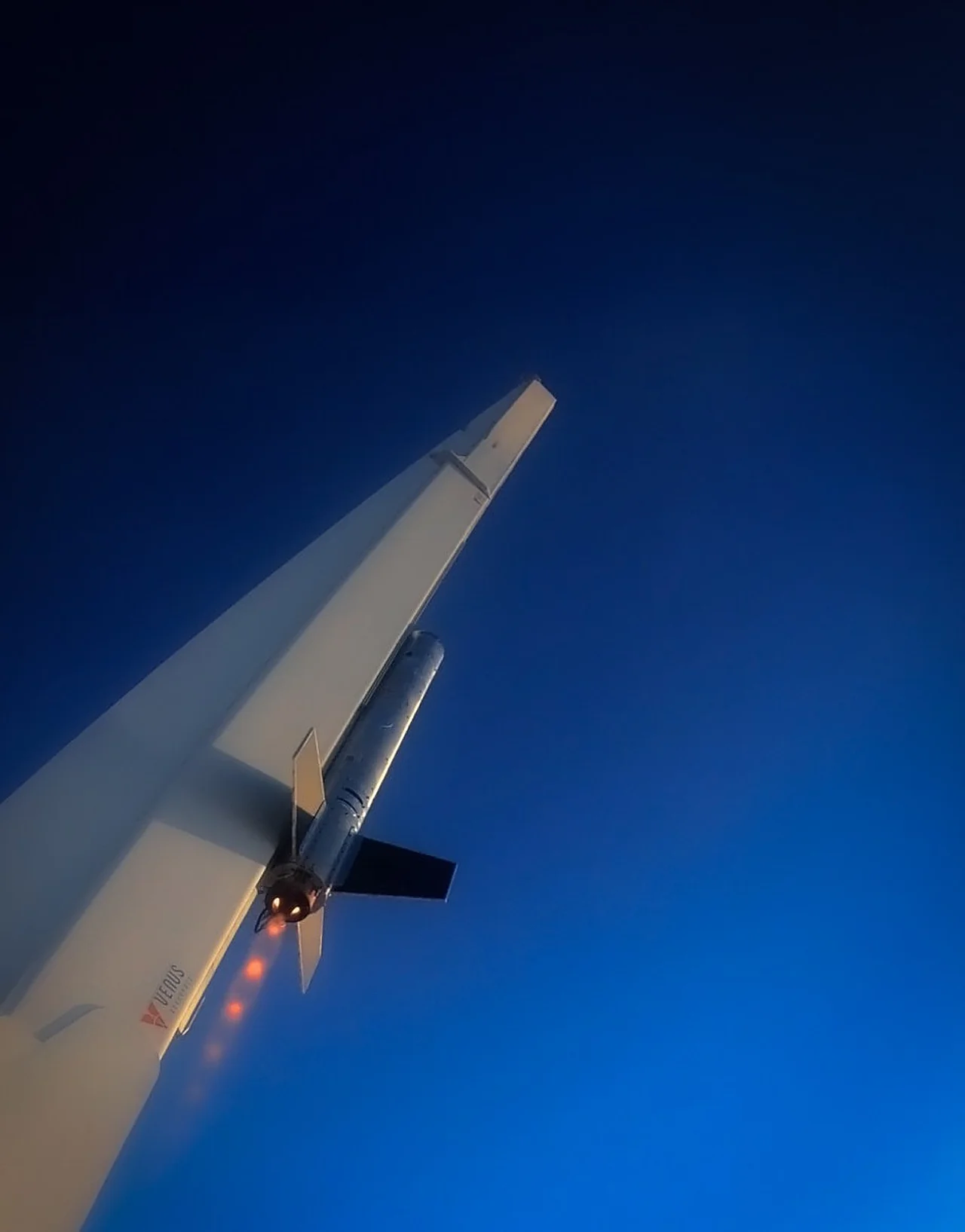
US-based startup Venus Aerospace has closed a $90 million Series B funding round to develop and test highly efficient rocket engines. The Rotating Detonation Rocket Engine (RDRE) created by the company is expected to be a revolutionary step in the aerospace industry. This technology will allow for a drastic reduction in fuel consumption for launching payloads into space and conducting hypersonic flights. This was reported by Techcrunch.com reports. .
This funding round, led by Mercury Fund, included participation from Lockheed Martin Ventures and other major venture capital firms. According to TechCrunch, the raised funds will be directed toward integrating the engine into specific flight vehicles and testing them in real-world conditions. Initially aiming to create hypersonic passenger aircraft, the company is now focusing on defense systems and high-speed space vehicles.
Moving away from traditional technologies
Although RDRE technology was theoretically proposed in the mid-20th century, its practical application remained impossible for a long time. While fuel is simply burned in a special chamber in conventional rocket engines, in a rotating detonation engine, a supersonic combustion wave continuously travels along an annular channel. This process releases significantly more energy and requires less fuel than traditional methods.According to Venus Aerospace founders Sassie and Andrew Duggleby, the development of 3D printing and computer simulations in recent years has made it possible to control this complex physical process. The company's main breakthrough was developing technology that prevents the engine from overheating and melting. After four years of research, engineers managed to solve this problem.
Prospects in the military and space sectors
The company is currently working on installing its engines in hypersonic weapons. This could replace the solid-fuel motors currently used in missile systems. RDRE engines stand out not only for their efficiency but also for their reusability and ease of manufacturing. These features are critical for modern defense and space missions.The key results achieved by the company include:
- The first successful flight of a rocket using RDRE was conducted in 2025;
- Over 600 ground tests have been conducted to date;
- The longest continuous engine runtime reached 32 seconds;
- A grant was awarded by the Texas Space Commission to build a new test stand.


Comments 0
…