


Revolution in India's space industry: Vikram-1 private rocket prepares for its maiden flight
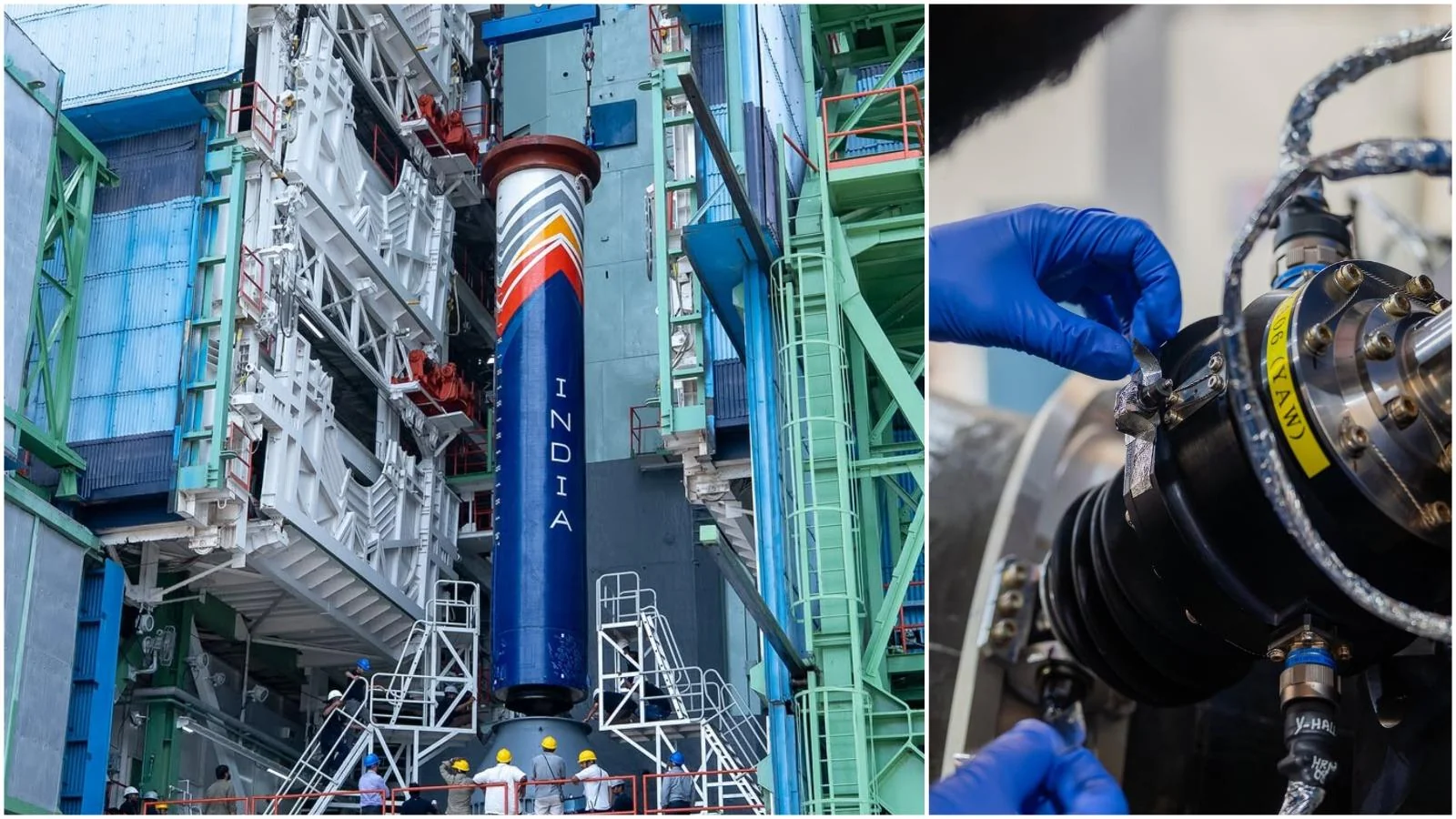
India's Skyroot Aerospace is on the verge of opening a new chapter in the country's space history. On July 18, the Vikram-1 launch vehicle, developed entirely by the private sector, will head to orbit for the first time. This mission is a crucial turning point that demonstrates India's potential in space exploration, not only at the state level but also in the field of private enterprise. This is reported by Ixbt.com reports .
This mission, named Aagaman ("Arrival"), will be carried out from the Satish Dhawan Space Centre on the island of Sriharikota. According to ixbt.com, Skyroot Aerospace specialists have successfully completed all necessary ground tests before the flight. Currently, air and sea traffic in the launch area is restricted for safety reasons, and all technical systems have been brought to a launch-ready state.
Company CEO Pawan Kumar Chandna emphasized that this flight is extremely important for testing the rocket's capabilities in real conditions. No matter how perfect the ground tests are, accurate data on dynamic loads during flight and conditions in the upper layers of the atmosphere can only be obtained through a practical launch. This data will serve to further improve the rocket in the future.
Technical capabilities and payload of the Vikram-1 rocket
The Vikram-1 rocket is named in honor of Vikram Sarabhai, the founder of the Indian space program. This device, which is approximately the height of a 7-story building, is capable of carrying up to 350 kg of payload into low Earth orbit. According to the plan for the first flight, the rocket is expected to rise to an altitude of 450 km and enter an orbit with a 60-degree inclination.Although this is a test flight, the rocket will not go into space empty. Several important technological pieces of equipment are placed on board:
- Remote sensing nanosatellites for Earth observation from Grahaa Space;
- Space debris removal technologies from Cosmoserve;
- Components developed by DCubed;
- Skyroot SCOPE satellite — it will collect detailed telemetry data about all stages of the flight.
According to Skyroot Aerospace COO Naga Bharath Daka, if this mission is successful, the company plans to establish regular commercial flights. This will strengthen India's position in the global small satellite market and allow it to offer affordable and reliable services to international customers.


Comments 0
…