


Texas Halts Construction of New Data Centers
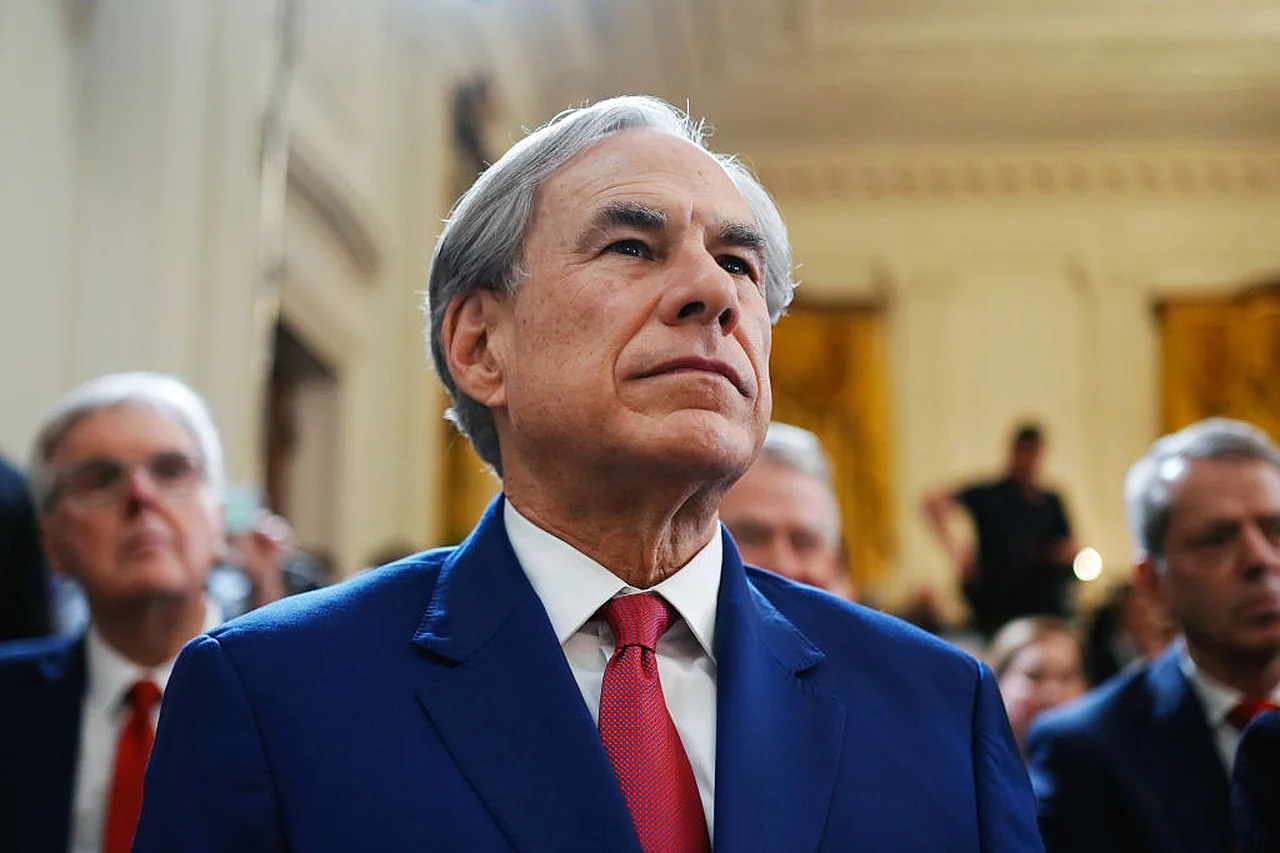
The U.S. state of Texas may cease to be one of the most attractive regions for building data centers, as local authorities have taken strict measures to protect the energy system. According to ixbt.com, Governor Greg Abbott announced that all new data center projects will undergo rigorous reviews by the Public Utility Commission of Texas (PUCT) and the state grid operator (ERCOT). Techcrunch.com reports it.
Severe Strain on the Power Grid
In recent years, technology companies and developers have actively searched across the United States for favorable locations for data centers. With its lenient regulations and ample energy reserves, Texas had become a hub for massive facilities, ranking second only to Virginia. At the same time, leading companies such as Google and Microsoft have been drawn to the region to take advantage of its natural gas, wind and solar energy potential.However, grid connection queues have grown to unprecedented levels. In January this year, projects awaiting connection to the ERCOT grid had a total capacity of 233 gigawatts, but that figure more than doubled in less than six months. ERCOT is now tracking 474 gigawatts in new connection requests, with data centers accounting for nearly 90% of them.
Audits and Requirements
Experts believe that most of these projects are still merely proposals on paper. Even so, if only a small fraction of them were completed, they could completely disrupt Texas' power grid. The current connection queue is five times larger than ERCOT's peak total demand.Data centers and cryptocurrency mining facilities are driving up electricity prices in the state. Governor Greg Abbott has taken decisive action to prevent this negative trend from worsening. Previously, companies were asked to provide information voluntarily, and most did not respond to the request. Mandatory audits have now been introduced.
Under the new rules, PUCT and ERCOT must collect the following information:
- The projects' electricity requirements inside and outside the facility
- The volume of water resources used
- Noise reduction measures
- Lighting control systems
- Details on the use of tax incentives and ownership


Comments 0
…