


US Military Tests AI Control in Space
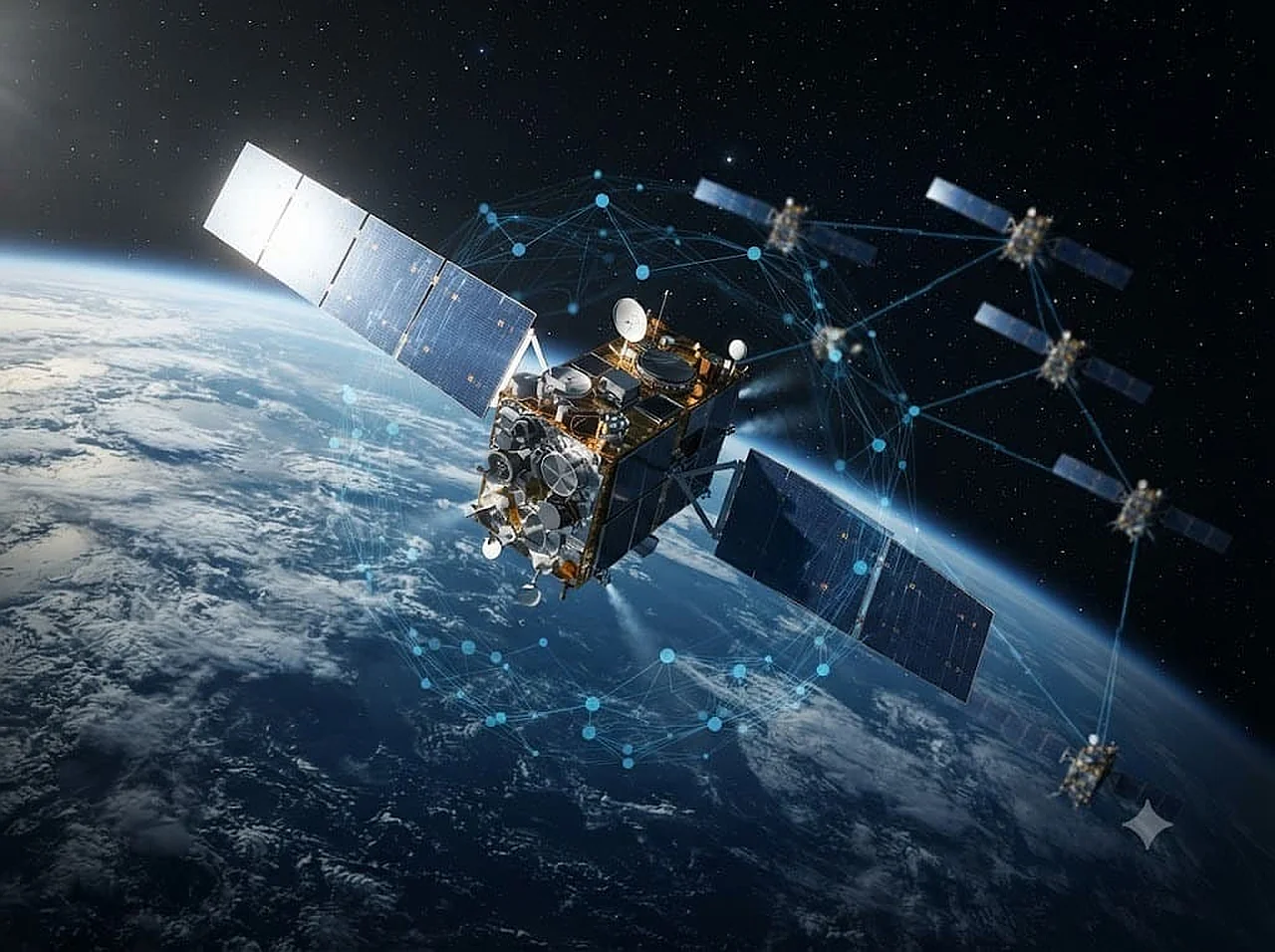
The Air Force Research Laboratory (AFRL) has successfully demonstrated, for the first time in history, the direct control of an orbital spacecraft in space using an artificial neural network. This technology is an important step toward future space missions and could enable AI to keep satellites operating reliably even when contact with Earth is lost. Ixbt.com reports .
According to ixbt.com, during the experiment, a machine learning algorithm took full control of the spacecraft platform. The system independently analyzed sensor data and made real-time decisions while performing critical tasks such as spacecraft orientation, power management, communications, and thermal regulation.
Independent Decision-Making and Adaptability
Unlike conventional onboard software, the neural network did not rely on rigid, predefined rules. It adapted the control process to the spacecraft’s current state and did not require constant supervision from Earth. This is highly valuable for space missions, as communication delays, limited computing resources, and radiation exposure require satellites to make rapid decisions.According to AFRL, this advanced solution is a key part of a program to develop autonomous space systems. In the future, the growing number of satellites and the increasing use of electronic warfare will require orbital groups to remain operational even if contact with ground control centers is lost.
The Outlook for Future Orbital Groups
Experts believe that large satellite networks will increasingly replace small, complex spacecraft. These networks can perform tasks collaboratively, reallocate functions, and adapt to threats without operator involvement. Neural network control could extend spacecraft service life, reduce fuel consumption, and maintain overall stability even when individual systems fail.Today, these technologies are being studied not only by the military but also by commercial satellite operators seeking to automate orbital groups. They are also important for deep-space missions where continuous control from Earth is impossible because of signal delays.


Comments 0
…