


NASA Seeks Scientists’ Help for Long-Term Missions on the Moon
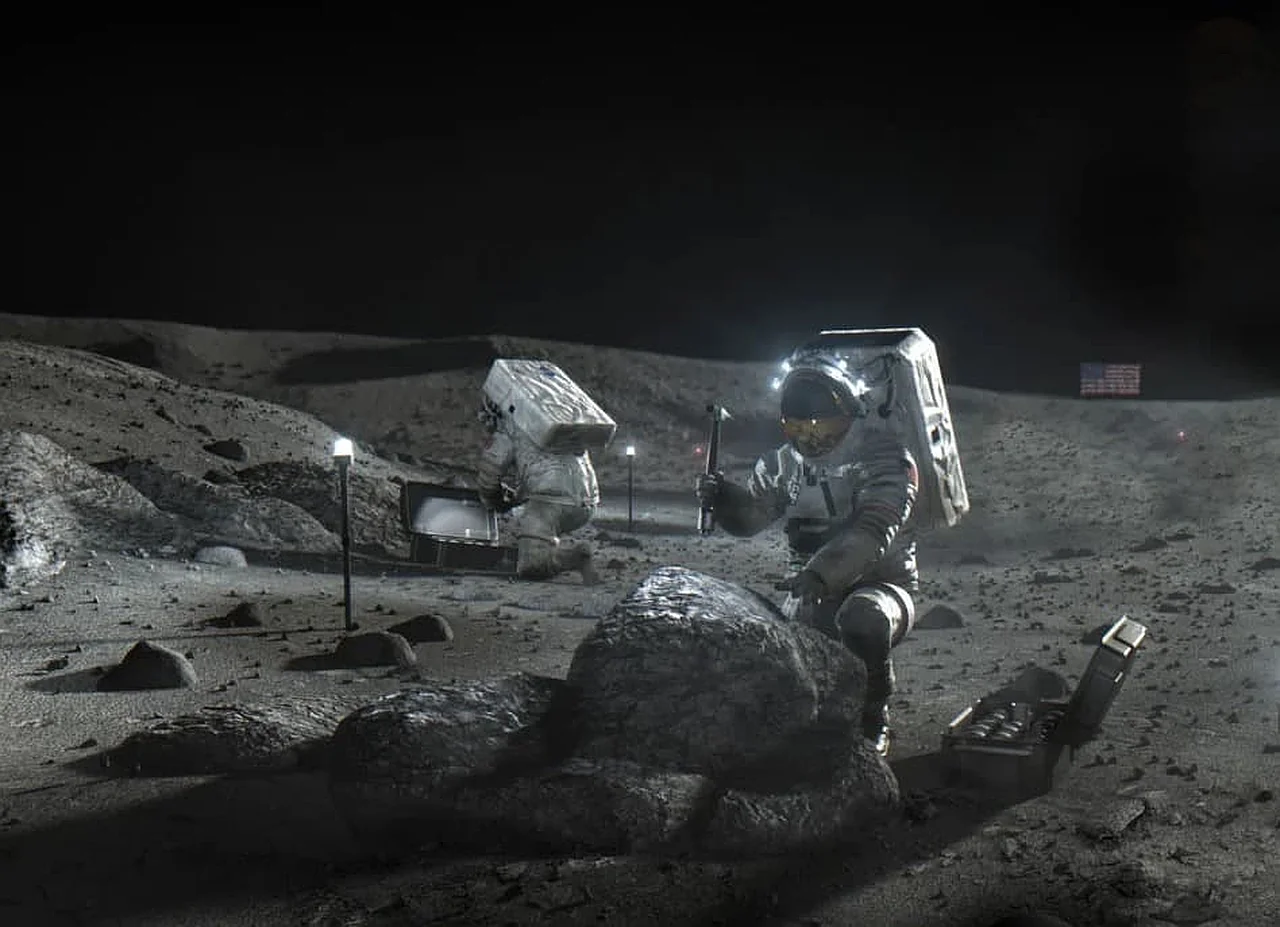
NASA, the U.S. National Aeronautics and Space Administration, has issued an important appeal to the scientific community through its Human Research Program (HRP). The agency is seeking proposals to identify and study in advance the risks to the human body during long-term expeditions to future lunar bases and even missions toward Mars. This initiative has already become one of the most important biomedical challenges as humanity enters a new stage in the history of space exploration. As ixbt.com reports .
According to ixbt.com, NASA is moving away from short-term visits to the Moon and toward a scenario involving the construction of a permanent base and extended stays there. However, the main problem is that humanity currently has only extremely limited data on the effects of the lunar environment on the human body. Although long-duration flights of up to 437 days have been studied aboard the International Space Station (ISS) and other stations, all astronauts combined have spent only about 80 hours on the lunar surface.
The Unique Risks of the Lunar Environment
Experts note that lunar conditions cannot be directly replicated through experience on the ISS. Astronauts will face entirely different factors there, including low gravity and increased radiation exposure. Michael Stenger, HRP’s chief scientific adviser, notes that research at a permanent lunar base will help scientists understand how the human body adapts to partial gravity over extended periods. It may also become possible to establish a dedicated biomedical laboratory on the lunar surface in the future.NASA specialists aim to study in depth how extended stays affect physical and mental health. They are also focusing on how effectively remote medical assistance can be organized for astronauts and what exercise systems will be required. If a serious health problem arises, these issues become particularly critical because it will not be possible to immediately return the crew to Earth from the lunar surface.
The scientific questions and proposals being collected now should determine the direction of future research. Although the experience gathered on the ISS provides a solid foundation, lunar conditions differ fundamentally in scale and environmental parameters. Through these efforts, NASA plans to minimize all medical risks during future lunar expeditions and lay the groundwork for humanity’s long-term survival in space.


Comments 0
…