


Vast opens a dedicated division to participate in the Lunar program
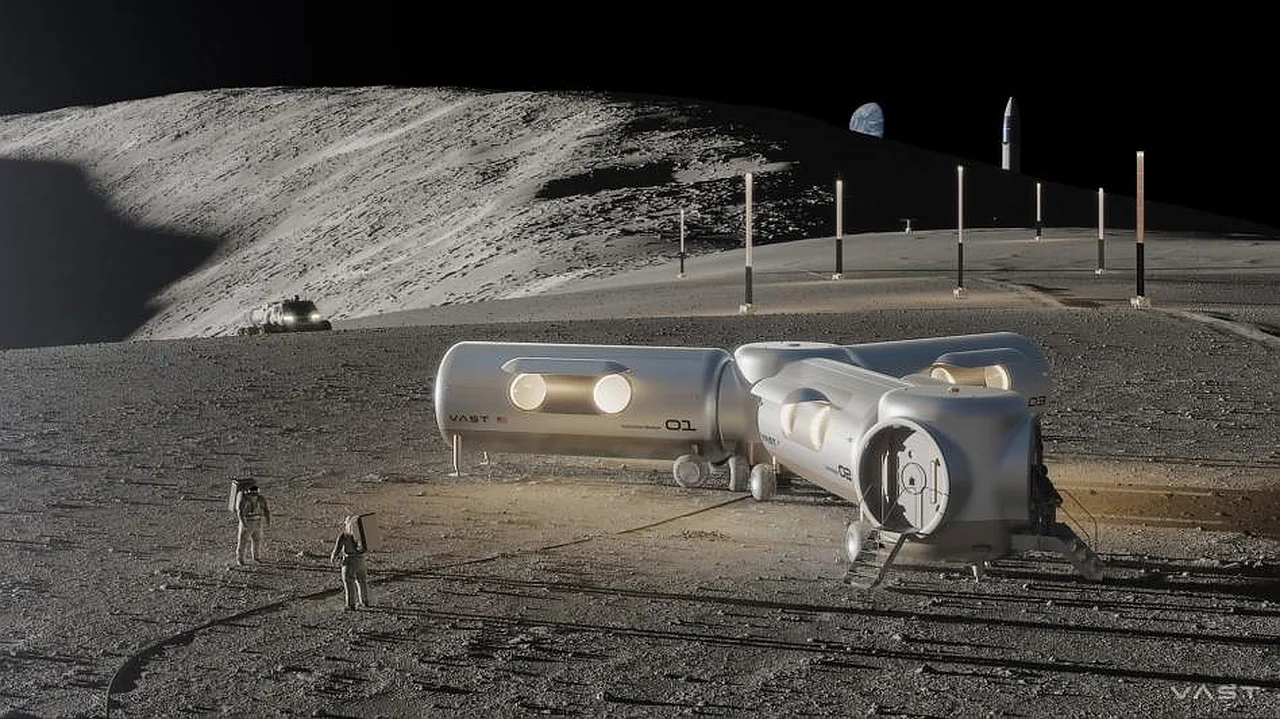
Vast, a company engaged in designing commercial orbital stations, has announced the expansion of its operations by establishing a new lunar division called Lunar Programs. According to ixbt.com, this structure aims to direct the company's extensive experience in creating space stations and satellites toward the implementation of NASA's future lunar program. This initiative is expected to be an important step in the future exploration of Earth's natural satellite. This is reported by Ixbt.com news.
Vast CEO Max Haot stated that the enterprise has all the necessary conditions to fulfill national-scale tasks. "Vast possesses large production capacities, rich practical experience, and the technical expertise required to build the first lunar outpost," the company head noted. According to him, the integration of engineering work, production processes, and testing phases allows such complex tasks to be performed with high speed and reliability.
Phased lunar base construction architecture
The lunar architecture developed by the company is divided into three logical stages, each aimed at achieving specific goals. The first stage includes technology demonstrations designed to ensure safe access to the lunar surface, establish basic infrastructure, and reduce technological risks. In the second stage, construction begins on initial lunar base elements equipped with systems necessary for crew operations.The third and final stage envisions the full deployment of large-scale infrastructure that will ensure long-term and sustainable human presence on the Moon. Experts believe this approach increases project safety and guarantees that every step is well-considered.
Haven station technologies and new developments
Interestingly, many technologies required for the new lunar systems are currently being tested during the creation of Haven orbital station modules. Each new module is an improved version of the previous one, and in the future, lunar systems will be regularly updated based on this same principle. This, in turn, allows for cost reduction and accelerates technological readiness.The portfolio formed by the company includes the following key developments:
- A modern power station with solar generation and energy storage devices
- An autonomous airlock protected from lunar dust and fully compatible with astronauts' extravehicular activity spacesuits
- A multi-module comfortable living complex including life support, thermal regulation, avionics, and communication systems


Comments 0
…