


The US Launches a New Service to Solve Problems in Space
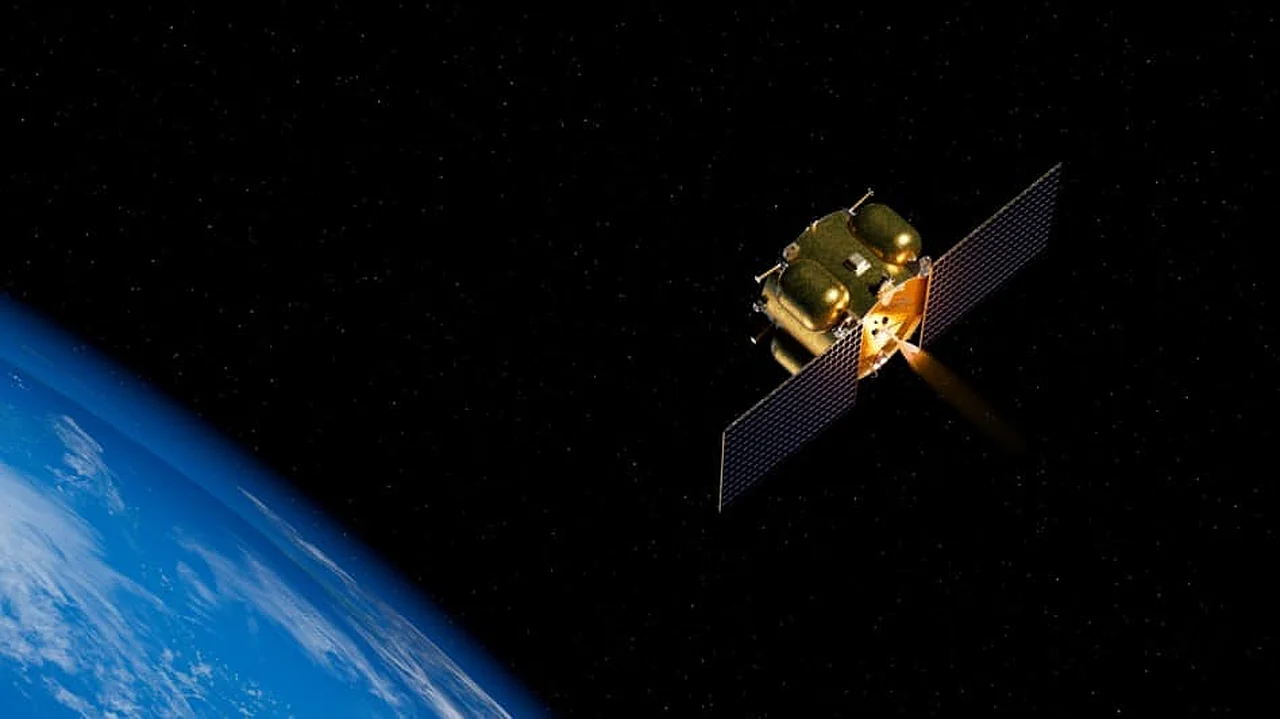
The Space Development Agency (SDA) of the US Department of Defense and the Defense Innovation Unit (DIU) have launched the initial phase of the deorbit-as-a-service (DaaS) program, aimed at removing orbital debris and guiding it safely into the atmosphere. According to ixbt.com, Firefly Aerospace, D-Orbit and Katalyst Space received a total of $8.4 million under the initiative to develop preliminary designs for systems that can approach, capture, relocate and deorbit spacecraft. This was reported by Ixbt.com reports .
The growing number of defunct satellites and various fragments in orbit is becoming a serious problem for global spaceflight. After the initial review stage, the SDA and DIU will select the most promising technological solutions for in-space demonstrations. Each participating team is proposing its own approach and engineering solutions to complete the task.
New Technological Approaches and Company Plans
D-Orbit is working with TransAstra to develop a soft-capture manipulator system designed to secure potential space debris. Firefly is proposing the Elytra Dawn configuration of its multipurpose platform for servicing objects in orbit. Katalyst Space, meanwhile, is introducing the Nexus standardized robotic platform, designed to use a single basic structure for different customers and missions.Experts believe this approach could significantly reduce the cost of designing a separate spacecraft for each individual object. Scalability is the main focus. Under the traditional model, each satellite is designed to deorbit independently at the end of its service life. The new DaaS model allows operators to order this operation from a specialized company after the primary mission is complete.
Orbital Logistics and Future Opportunities
D-Orbit representatives say that having a tested service available will help operators increase the likelihood of successfully completing their missions. Complex or problematic spacecraft could then be handed over to specialized services for later disposal. Moreover, the technology is not limited to debris removal: in the future, the same systems could be used to repair satellites, move them to other orbits and refuel them.Current contracts are giving companies an opportunity to test the future economics of orbital logistics as a service. Government procurement is expected to provide the sector with its first real-world demonstrations, after which commercial operators may also use these services. The final selection of systems will depend on their technical maturity, mission concept, schedule and price, laying the foundation for an entirely new space market.


Comments 0
…