


NASA Cancels Unique Operation to Rescue Space Telescope
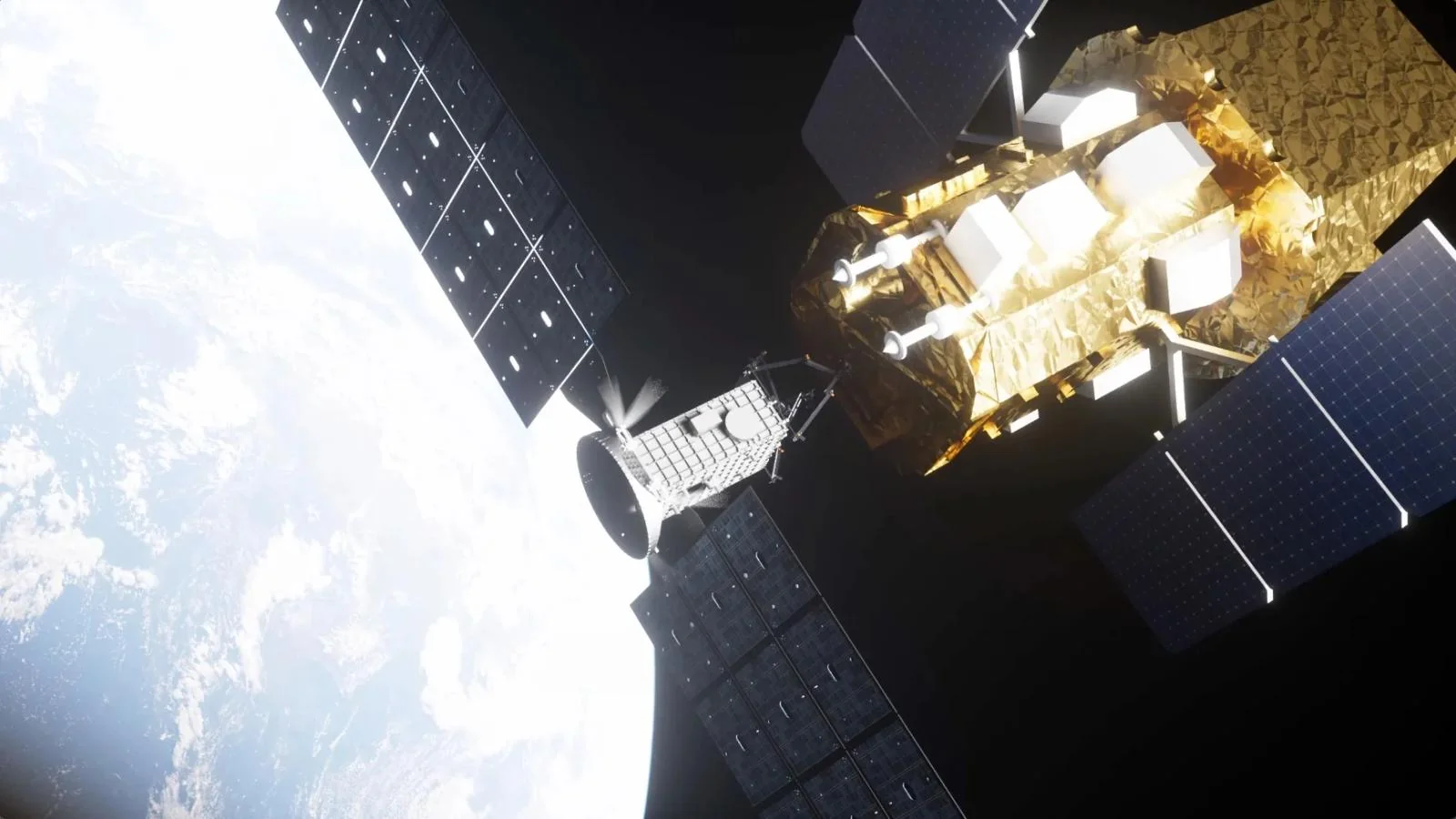
NASA and Katalyst Space have abandoned a planned, unprecedented experimental operation to raise the orbit of the Neil Gehrels Swift Observatory. SpaceNews reports that the decision was prompted by serious failures in the guidance system of the experimental spacecraft called Link, making it too dangerous to physically capture the telescope. Ixbt.com reports this.
The Link spacecraft was launched into orbit on July 3 this year aboard a Pegasus XL rocket. The project's primary mission was to approach and capture the Swift telescope, then use its own engines to move it to a higher orbit. Experts believe such an operation could have significantly extended the service life of the scientific spacecraft, whose orbit was declining faster than expected under the influence of Earth's atmosphere.
Technical Problems and Reasons for the Failure
However, unexpected technical problems emerged on the Link spacecraft shortly after launch. According to Katalyst Space, on July 28 the spacecraft entered an uncontrolled rotation around several axes because of failures in its control system. In particular, the vehicle lost two of the three reaction wheels designed to control its orientation in space, while its reaction-control system began operating only partially.Engineers made every effort to improve the situation. By early August, they had managed to reduce Link's rotation rate from 9 degrees per second to 1.47 degrees per second. To stabilize the spacecraft, they initially had to activate the electric motors intended to modify the telescope's orbit. Later, specialists installed new software that was expected to help continue the mission.
Future Plans and Prospects
In mid-August, Katalyst had hoped that, after the software update, Link would approach Swift and attempt to capture it. However, following consultations with NASA on August 20, the company definitively abandoned this part of the mission. The parties did not disclose the specific criteria that led them to deem the operation too dangerous.Nevertheless, the Link spacecraft may still be used to test orbital servicing technologies. NASA and Katalyst are considering opportunities to conduct various operations and proximity tests directly near Swift, without physical contact or raising its orbit.
Swift has been operating in space since 2004 and specializes primarily in studying gamma-ray bursts. Its orbit is gradually decaying under the influence of Earth's upper atmosphere. High solar activity increases atmospheric density at satellite altitudes, intensifies drag, and accelerates the loss of altitude. NASA began exploring ways to rescue the observatory using commercial spacecraft in 2025. Link's success could have been an important demonstration of technology for extending the lives of satellites not designed for servicing after launch.


Comments 0
…