


Russian Space Satellite Captures the Manpupuner Plateau From Above
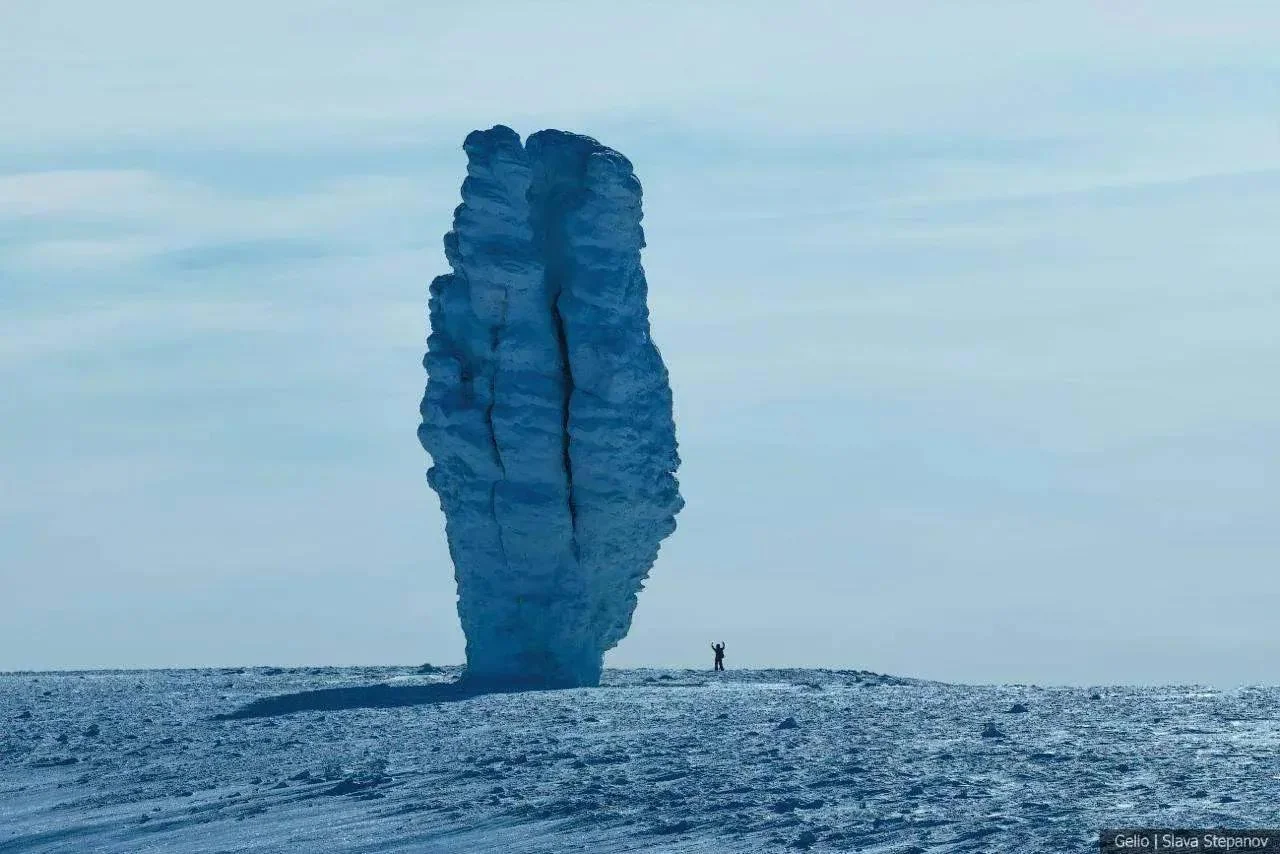
The famous Manpupuner Plateau in Russia’s Komi Republic and its unique natural formations were successfully photographed from above by the Russian Resurs-P space satellite. This geographical area has attracted the attention of not only tourists but also specialists studying Earth’s surface through modern remote-sensing technologies for many years because of its mysterious and distinctive landscape. Ixbt.com reports .
According to ixbt.com, this natural complex has now been captured from two different perspectives—from the ground and from space. This enabled scientists to observe the terrain more comprehensively and assess its current geographical features with high precision.
How Were the Unique Stone Pillars Formed?
The plateau’s main attraction is its seven enormous stone pillars, ranging from 30 to 42 meters in height. These unusual formations emerged over millions of years as a result of natural processes, specifically the erosion of rock under the effects of strong winds and weather.According to available data, a massive mountain range stood in this area approximately 200 million years ago. Over time, however, precipitation, sunlight, severe frosts, and persistent winds gradually broke down the softer rocks.
A Million-Year-Old Wonder of Nature
Quartzite and schist, considered harder and more durable, withstood nature’s trials and survived to the present day. Over time, they became residual rocks of various shapes and are now one of the most important and attractive natural landmarks of the entire Ural region.The satellite images once again clearly showed how these ancient formations blend with their surroundings and highlighted their geographical location. The use of modern technologies and spacecraft in this way is making it significantly easier to study the world around us.


Comments 0
…