


Andijan International Airport is being rebuilt: Shavkat Mirziyoyev inspects the construction progress
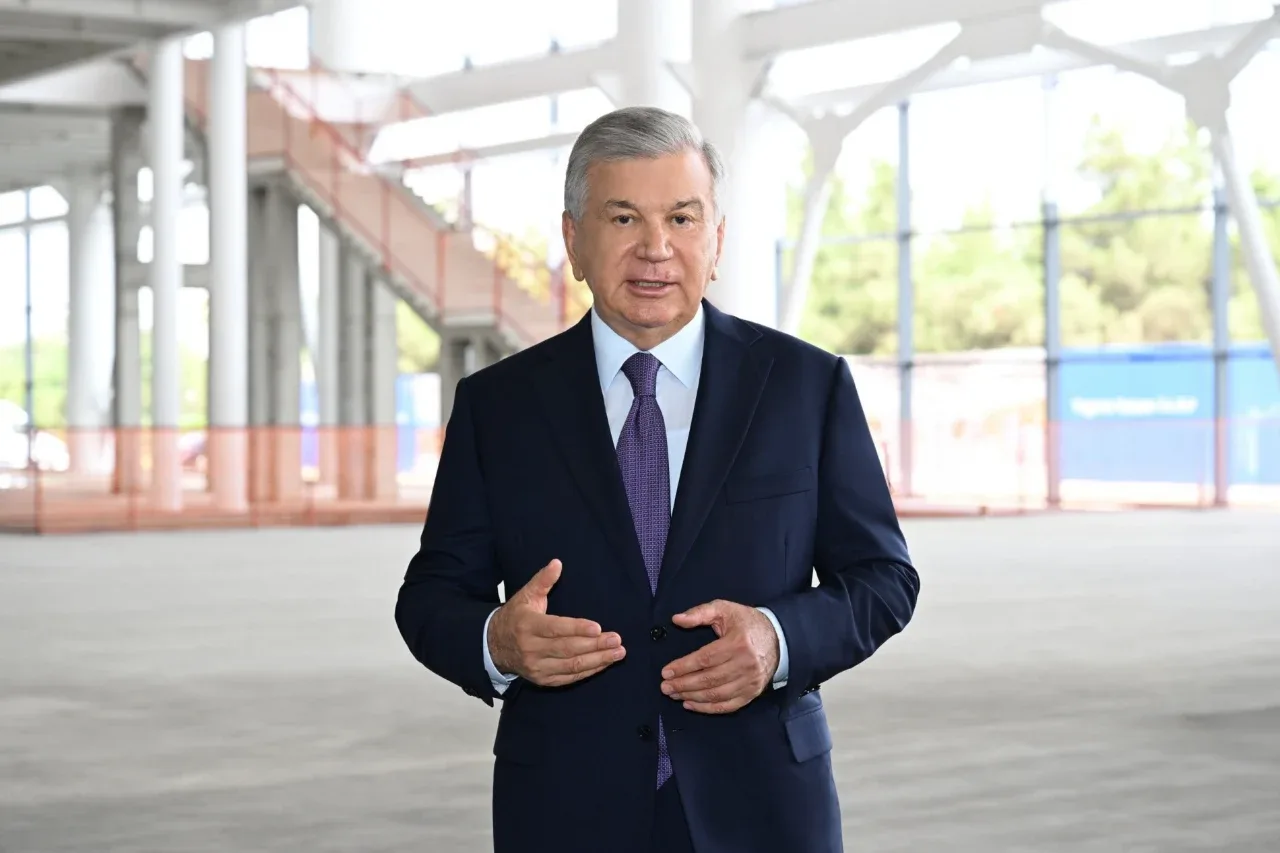
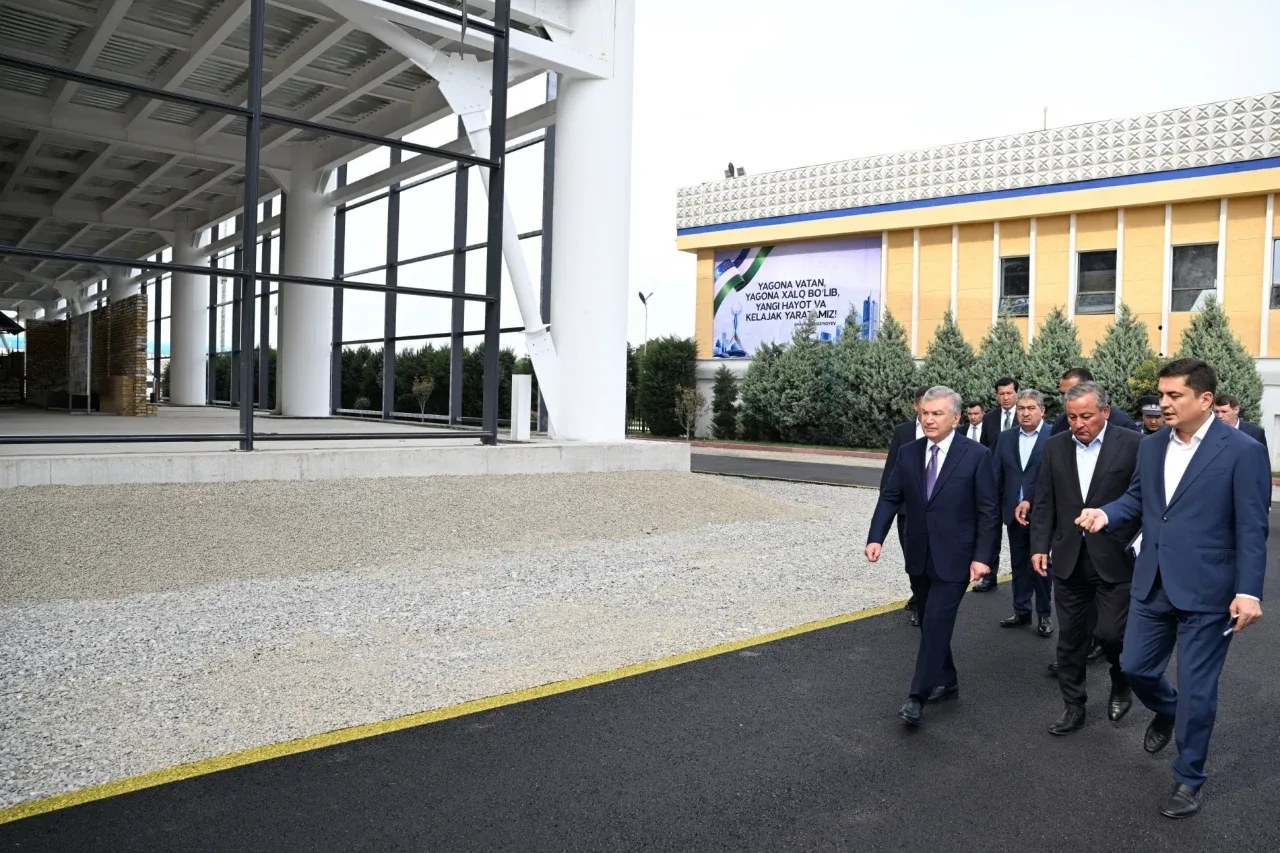
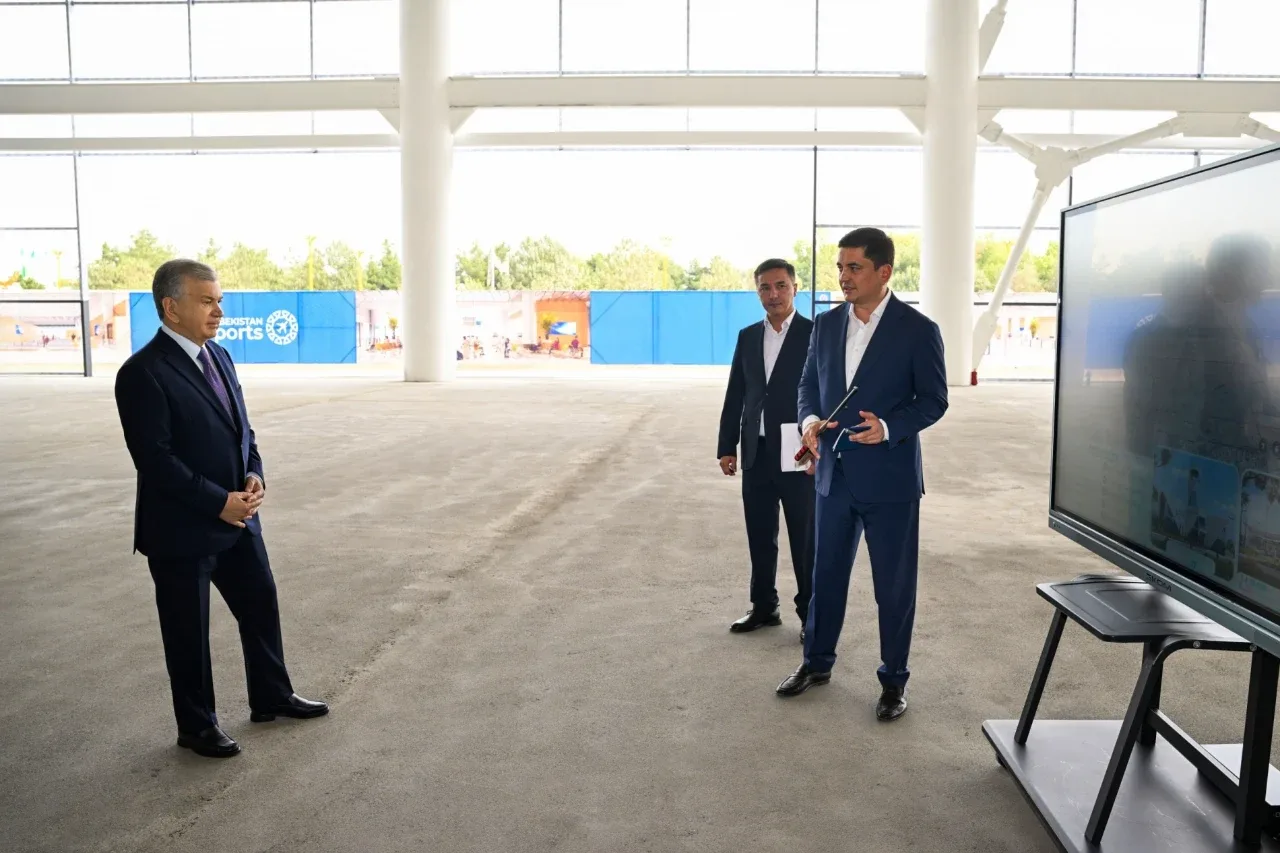
A massive infrastructure revolution meeting global aviation standards is underway in the Andijan region, one of the major transport and logistics hubs of the Fergana Valley. President Shavkat Mirziyoyev's visit to the Andijan region began with an inspection of the large-scale modernization and construction process currently taking place at Andijan International Airport. The total cost of the project to renovate this air harbor, which spans a total area of 243.4 hectares, amounts to 1.1 trillion soums. As part of the first phase, the runway was extended to 3.3 kilometers, and a new 4E-category runway with a width of 60 meters, 10 aircraft parking stands, and taxiways were put into operation.
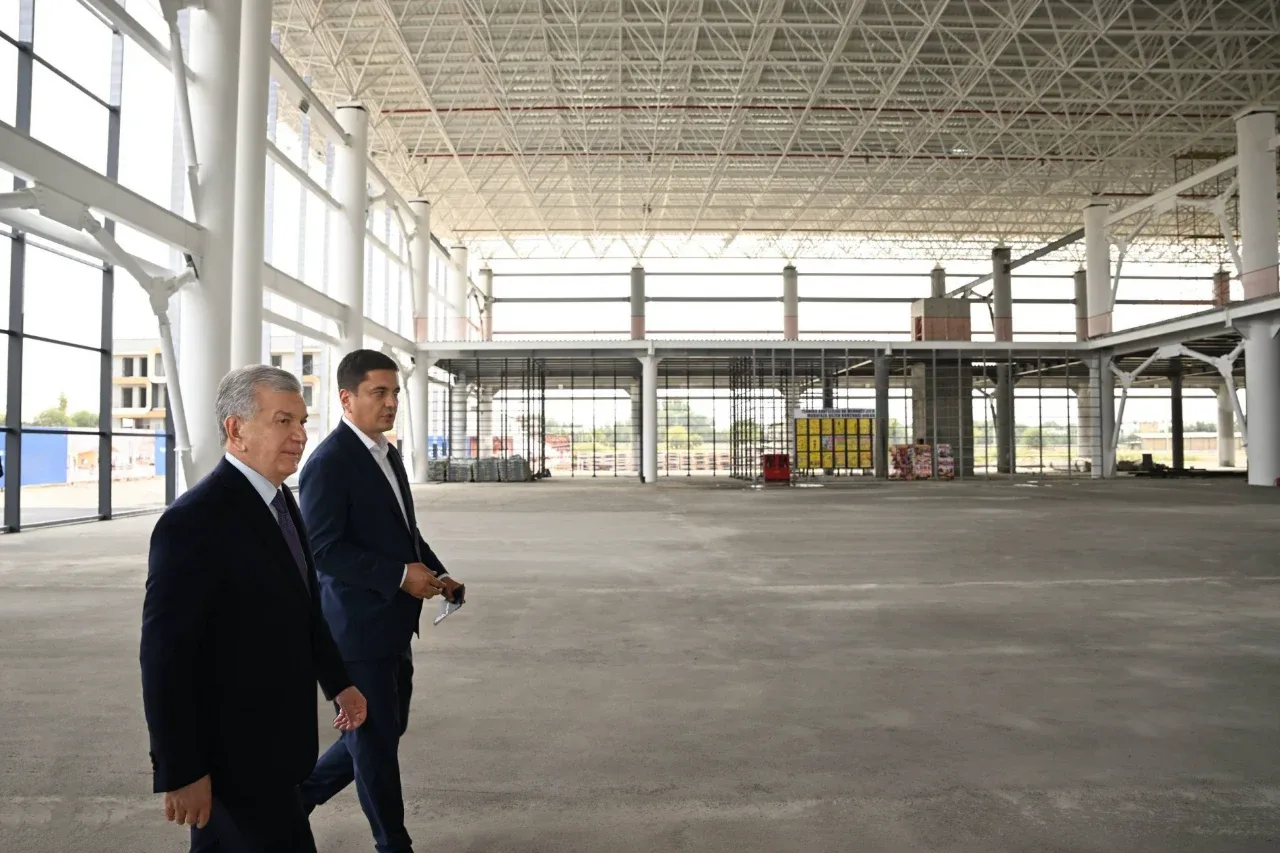
Most notably, the runway has been paved with a durable cement-concrete surface designed to last at least 50 years, and a high-precision German lighting and signaling system has been installed. This allows for the safe reception of large, wide-body aircraft without any restrictions, even in conditions of dense fog and visibility reduced to 300 meters, as well as at night. Currently, a new two-story passenger terminal with a total area of 19,685 square meters is being built at a rapid pace. Once the new complex is operational, the airport's hourly service capacity will increase fivefold, reaching 1,000 passengers per hour; the annual number of flights will increase from 808 to 2,500, and the passenger flow will reach 3.5 million people per year.
So, how will this massive 1.1 trillion soum project change the logistics capabilities of the Fergana Valley, when will the new terminal be fully operational, and can Andijan become a hub for international flights?
"3.3 km runway, 50-year concrete, and 5-fold increased capacity": 5 key points of the modernization
The most important facts and figures from the massive reconstruction at Andijan International Airport:
1.1 trillion soum investment: The total cost of the project is 1.1 trillion soums, aimed at fundamentally upgrading the region's aviation infrastructure;
3.3 km 4E runway and 50-year quality: The runway was extended to 3.3 km and paved with 60-meter-wide durable cement-concrete designed to last 50 years;
German technology and landing in fog: Thanks to the installed German lighting and signaling system, aircraft can land without restrictions even in heavy fog conditions where visibility is reduced to 300 meters;
Service capacity to increase 5-fold: Once the new 19.6 thousand sq. m. 2-story terminal is launched, hourly throughput will rise from 200 to 1,000 passengers;
3.5 million passengers per year: In the future, the number of regular flights will be increased from 808 to 2,500, with the airport aiming to serve 3.5 million passengers annually.
Andijan International Airport: Comparison of old indicators and new capacities after reconstruction
Analysis of historical changes at the air harbor and planned indicators:
Criteria and parameters | Status before modernization | After the new reconstruction project |
Total project cost | — | 1.1 trillion soums |
Runway category | Outdated, limited category | New 4E category, 3.3 km long, 60 meters wide |
Runway surface and lifespan | Asphalt, requires frequent repairs | Durable cement-concrete lasting up to 50 years |
Reception conditions | Favorable weather and daytime mode | German system: landing in fog and 300m visibility |
Aircraft parking stands | Limited capacity | New apron and taxiways for 10 aircraft |
Terminal area and floors | Old single-story building | 19,685 sq. m. two-story modern building |
Hourly passenger throughput | 200 passengers per hour | 1,000 passengers per hour (5 times more) |
Annual number of flights | 808 flights | 2,500 regular flights |
Total annual passenger flow | Limited volume | Up to 3.5 million passengers per year |
Number of partner airlines | Limited local flights | 7 major local and international airlines |
Aviation and economic infrastructure expertise: Why is this project strategically important for the valley?
Conclusions from transport system experts and logistics analysts:
Unrestricted reception of wide-body liners: Previously, Andijan airport could not accept large aircraft at full weight; the 3.3-kilometer 4E-category concrete runway ensures the safe landing of high-capacity liners like the Boeing-787 Dreamliner and Airbus A330, as well as direct long-haul international flights;
Elimination of the winter fog problem: In the Fergana Valley, flights were often diverted to Tashkent or other reserve airfields during the autumn-winter season due to dense fog; the modern lighting and signaling system, which works even with 300-meter visibility, minimizes the risk of flight cancellations;
Transport hub for the valley's population: For millions of people in the Andijan region and surrounding areas, the opportunity to fly directly to major cities in Russia, Turkey, the UAE, Europe, and Asia without having to travel to the capital will expand;
Tourism and cargo prospects: 3.5 million passengers and 2,500 flights per year will not only boost tourism but also provide an impetus for delivering agricultural and textile products grown in the region to foreign markets via rapid cargo flights.
The modernization of Andijan International Airport is transforming the region into a modern air gateway, bringing a new and powerful investment breath to the regional economy.
In your opinion, how will the full renewal of Andijan International Airport and the goal of serving 3.5 million passengers per year affect ticket prices and flight convenience in the Fergana Valley? Which international destinations are you expecting to open from the new airport? Leave your personal thoughts in the comments and share this news about the massive construction in the valley with all your friends!



Comments 0
…