


Shavkat Mirziyoyev gets acquainted with the giant leather and footwear complex in Altankul district
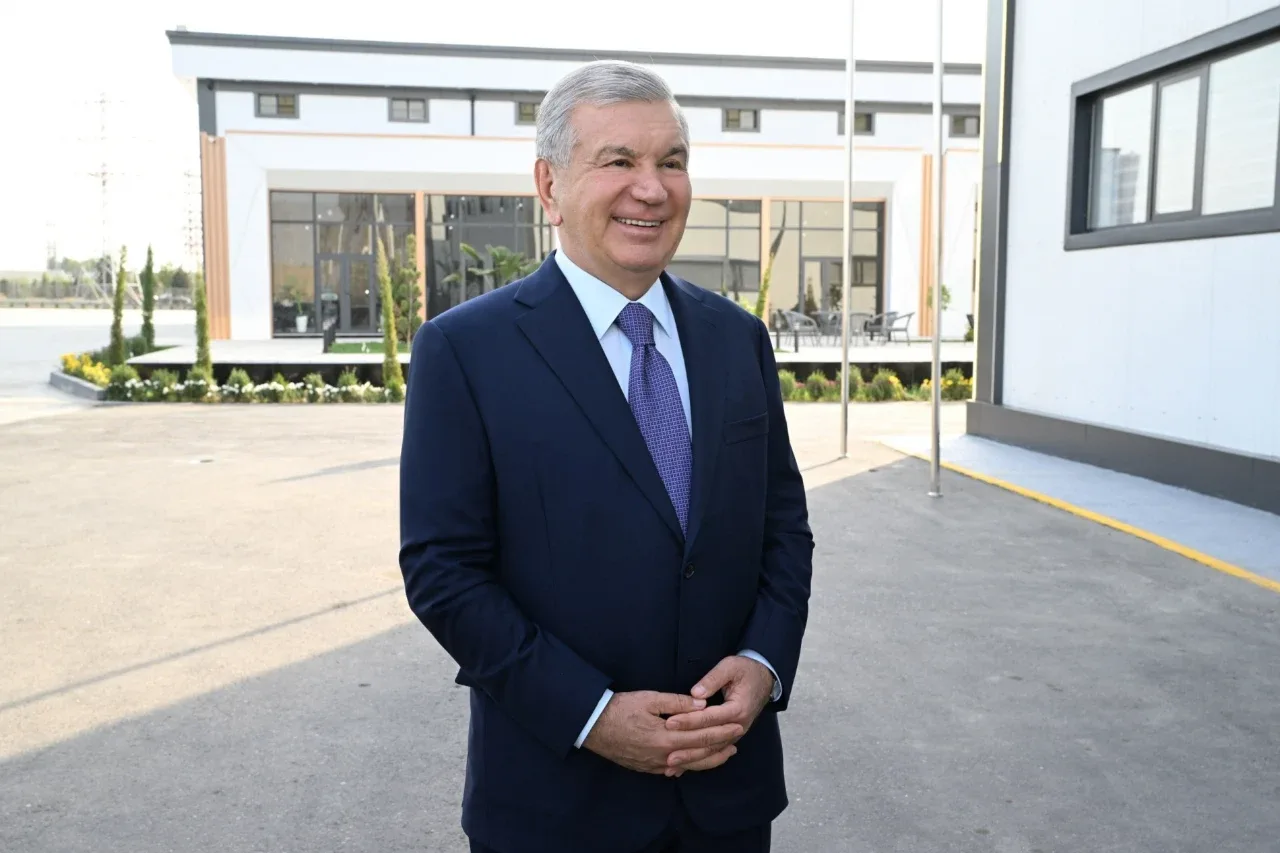
A historical industrial cluster has started its operations in the Fergana Valley, considered the main bloodline of the leather and footwear industry and an ancient center of craftsmanship in Central Asia. During his practical visit to Andijan region, President Shavkat Mirziyoyev directly familiarized himself with the activities of the specialized leather and footwear small industrial zone established in Altankul district with a total value of 28 million US dollars. Spanning a total area of 10.1 hectares, this modern complex united previously scattered entrepreneurs, local shoemakers, and large clusters into a single space. A continuous full chain has been created here, ranging from the deep processing of raw hides to the production of shoe glue, artificial leather, rubber outsoles, and finished export-ready footwear.
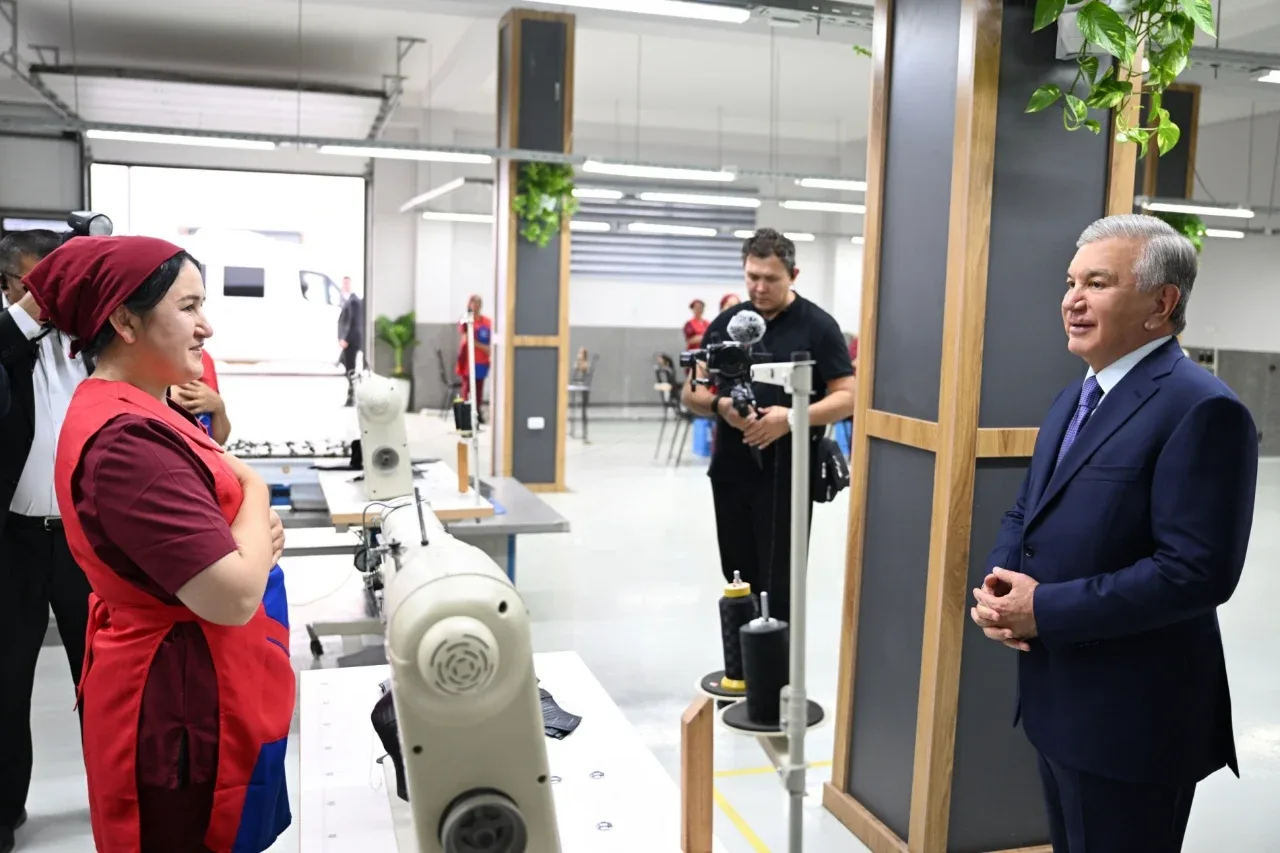
The region has concentrated 17 large projects with an annual production capacity of 150 billion soums, and already 2,500 local residents have been provided with permanent and stable jobs. Most notably, leading technologists who have undergone training in Italy, Turkey, and China have been involved in the production process, and the factory products are being supplied to the markets of 7 countries such as Russia, Belarus, Kazakhstan, Kyrgyzstan, Tajikistan, Turkmenistan, and Afghanistan. Creating unprecedented convenience for entrepreneurs, the state is handing over ready-made production buildings with the condition of installment payment for up to 7 years.
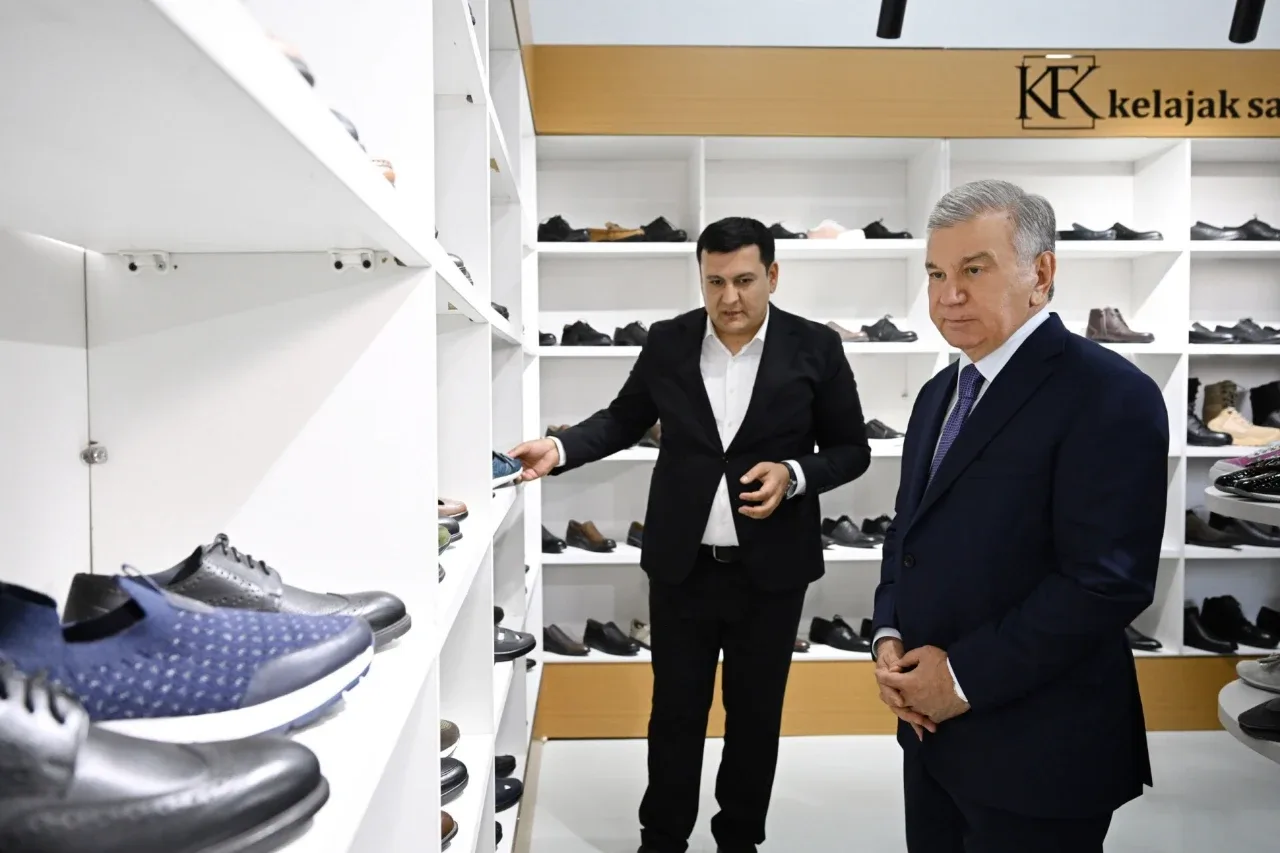
So, how will this $28 million cluster in Altankul put an end to the monopoly of foreign footwear in the domestic market, how will local shoemaking rise to the level of industry, and can Uzbek leather become a global brand?
"$28 million, 2,500 jobs, and a 7-year privilege": 5 main points of the Altankul industrial zone
The most important facts and figures from the leather and footwear cluster in Altankul:
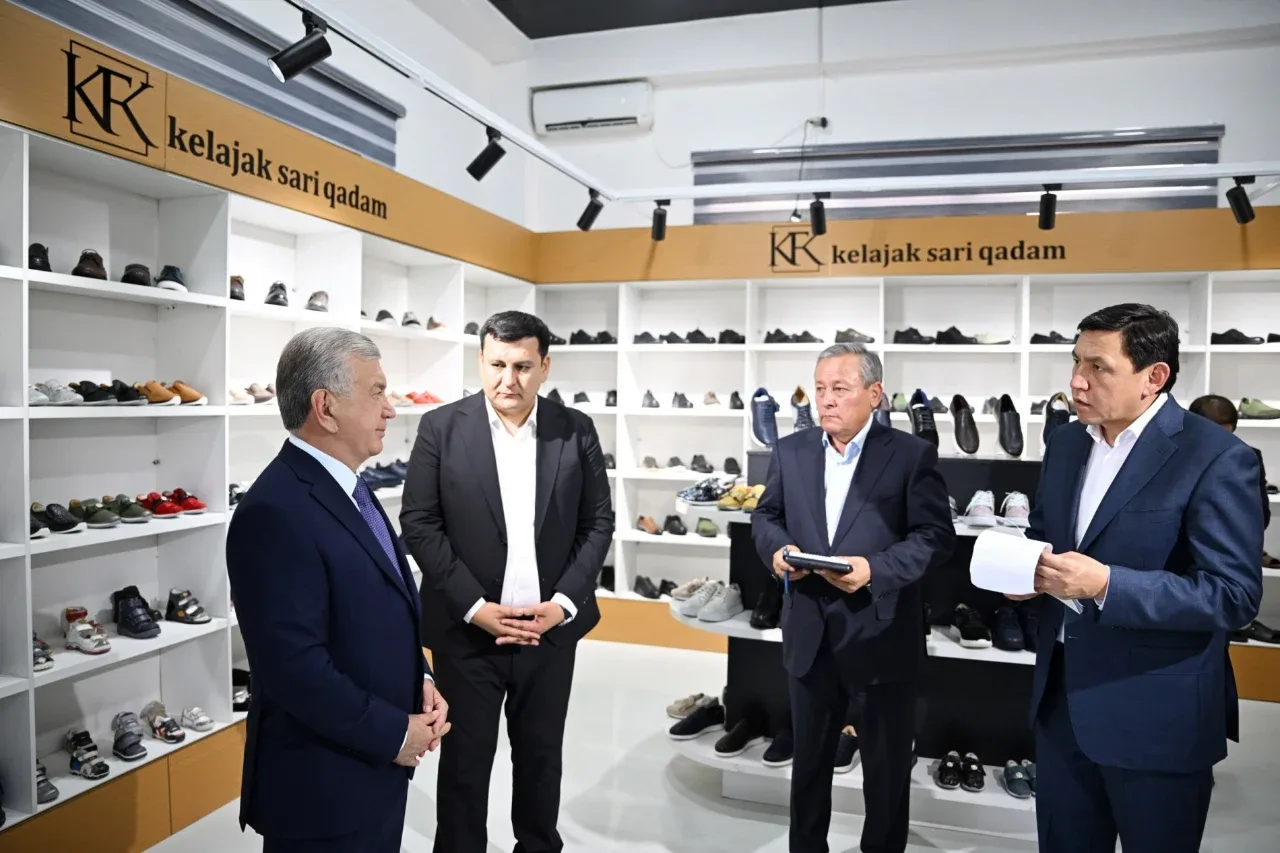
A cohesive industrial town worth 28 million dollars: The complex built on a 10.1-hectare area covers the full technological chain from raw materials to finished footwear;
2,500 new jobs: With the launch of the enterprises, 2.5 thousand local shoemakers and youth acquired high-income permanent professions;
17 specialized projects: The complex has brought together 10 footwear, 2 artificial leather, 2 glue, and outsole manufacturing enterprises worth 150 billion soums;
Export to 7 foreign markets: Footwear made in Andijan is directed to the markets of the CIS and neighboring countries, including Afghanistan;
7-year installment payment for buildings: Entrepreneurs and shoemakers were granted the privilege to purchase production buildings on an installment basis for seven years.
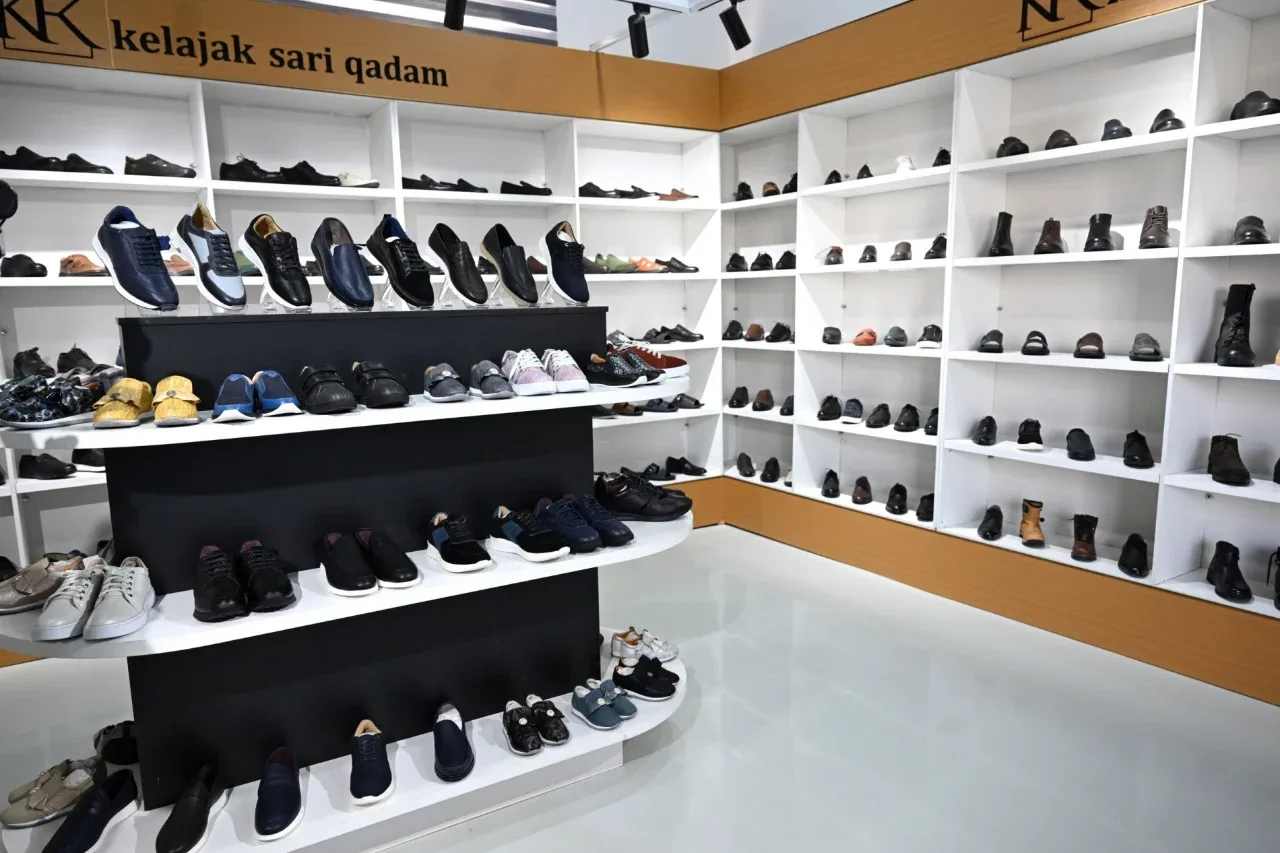
Altankul leather and footwear small industrial zone: Analysis of technical and economic indicators
Main parameters and production composition of the new industrial complex:
Criteria and parameters | Indicators of Altankul leather and footwear zone |
Total project value | 28 million US dollars |
Total land area | 10.1 hectares (buildings and dual education center on 5.5 hectares) |
Number of implemented projects | 17 strategic projects |
Total annual production capacity | 150 billion soums worth of products |
Specialization areas | Footwear and outsoles (10), artificial leather (2), shoe glue (2), rubber footwear |
Created new jobs | 2,500 permanent jobs |
Attracted foreign experience | Technologists and specialists trained in Italy, Turkey, and China |
Main export markets (7 countries) | Russia, Belarus, Kazakhstan, Kyrgyzstan, Tajikistan, Turkmenistan, Afghanistan |
Main privilege given to entrepreneurs | Opportunity for installment payment up to 7 years for the value of production buildings |
Social and educational infrastructure | Modern dual education center and specialized retail outlets |
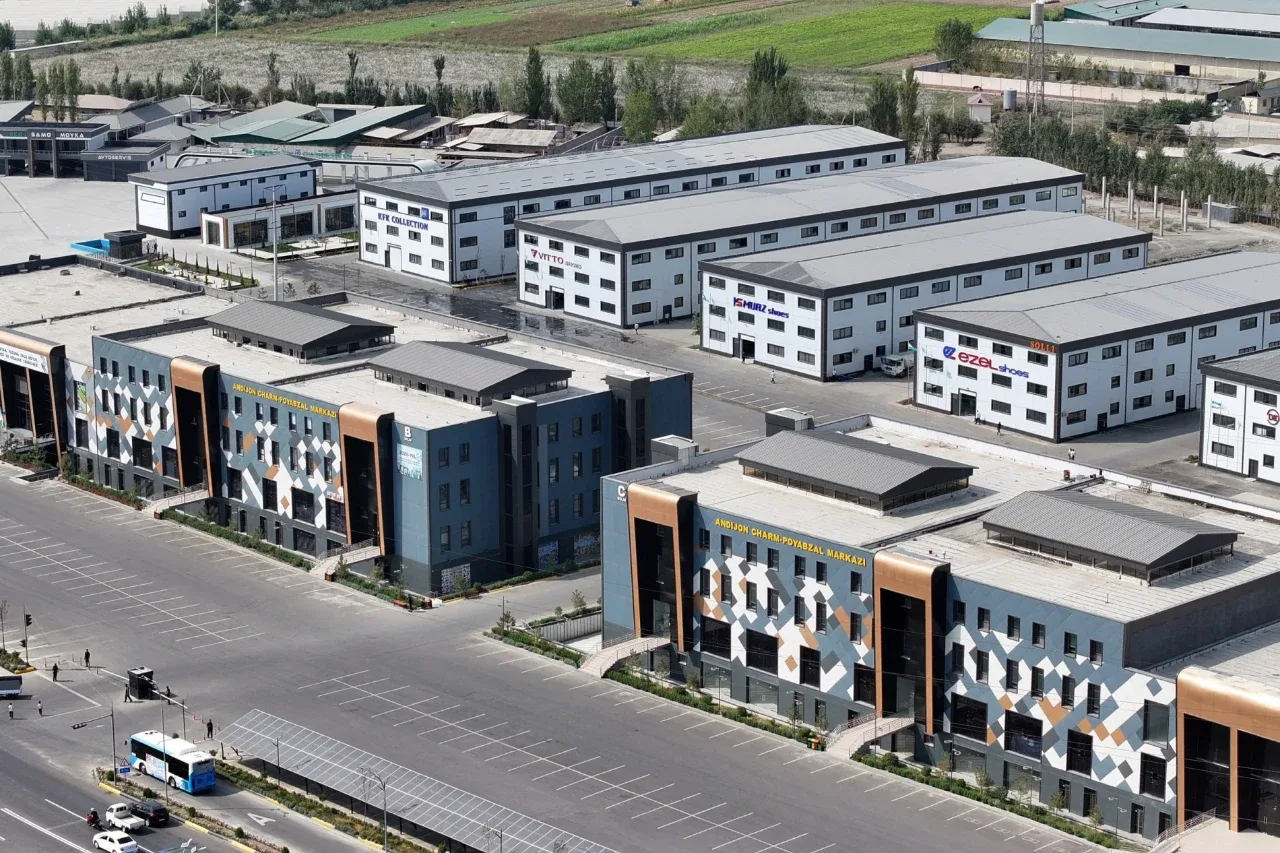
Expertise of industrial and cluster policy: Why is the Altankul model a revolutionary step for the national economy?
Conclusions of light industry specialists and foreign trade analysts:
Transition from scattered shoemaking to industrialized cooperation: For years in Uzbekistan, master shoemakers operated in households or unadapted workshops, which made standardization and certification difficult; gathering all manufacturers into a single infrastructure reduces general expenses (logistics, raw material purchases) and sharply lowers prime costs;
Localization of import-substituting components: Glue, special outsoles, and artificial coatings in footwear production were often brought from abroad; the launch of enterprises producing precisely these raw materials at the complex brings the localization level of finished footwear to 80-90 percent;
Quality guarantee of Italian and Turkish technology: The involvement of designers and technologists educated in Europe and Turkey brings the appearance and durability of local products to the level of international brands;
7-year installment payment — a solid shield for business: An entrepreneur got the opportunity to direct working capital to modern machine tools and quality raw materials instead of freezing it in the purchase of expensive buildings;
Capturing regional markets: The huge demand for cheap and quality footwear in Russia, Belarus, and especially neighboring Central Asian countries and Afghanistan creates a guaranteed sales market for Andijan products.
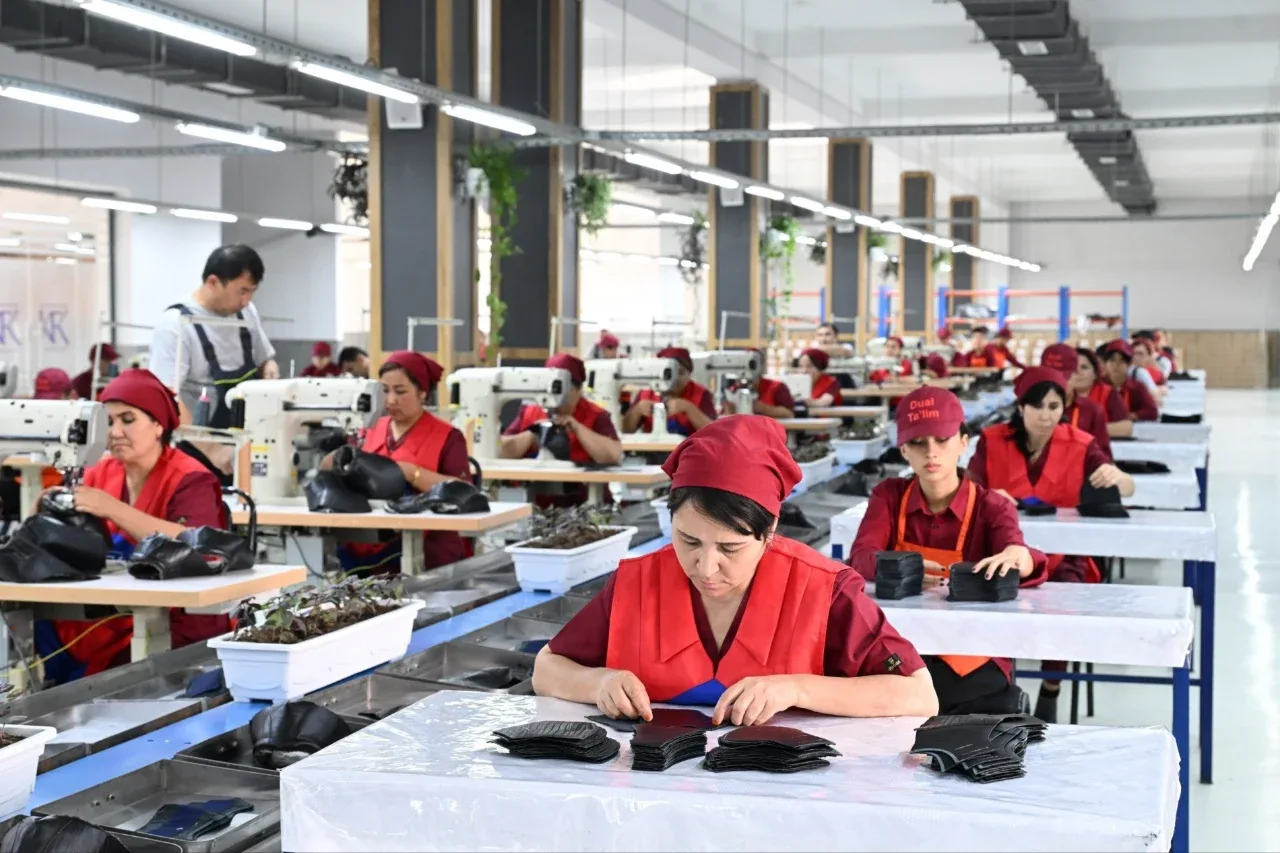
The Altankul industrial zone, inspected by President Shavkat Mirziyoyev, proved that traditional craftsmanship can become a powerful export driver of national industry.
In your opinion, can the local leather and footwear produced in Altankul completely replace the expensive imported brands brought from abroad? How do you think such conditions provided to master shoemakers will play a role in bringing their footwear to the world market? Leave your personal opinions in the comments and share this analytical article dedicated to the development of our national industry with all your friends!



Comments 0
…