


Shavkat Mirziyoyev inspects the technological miracle at the "Eco Cotton" factory
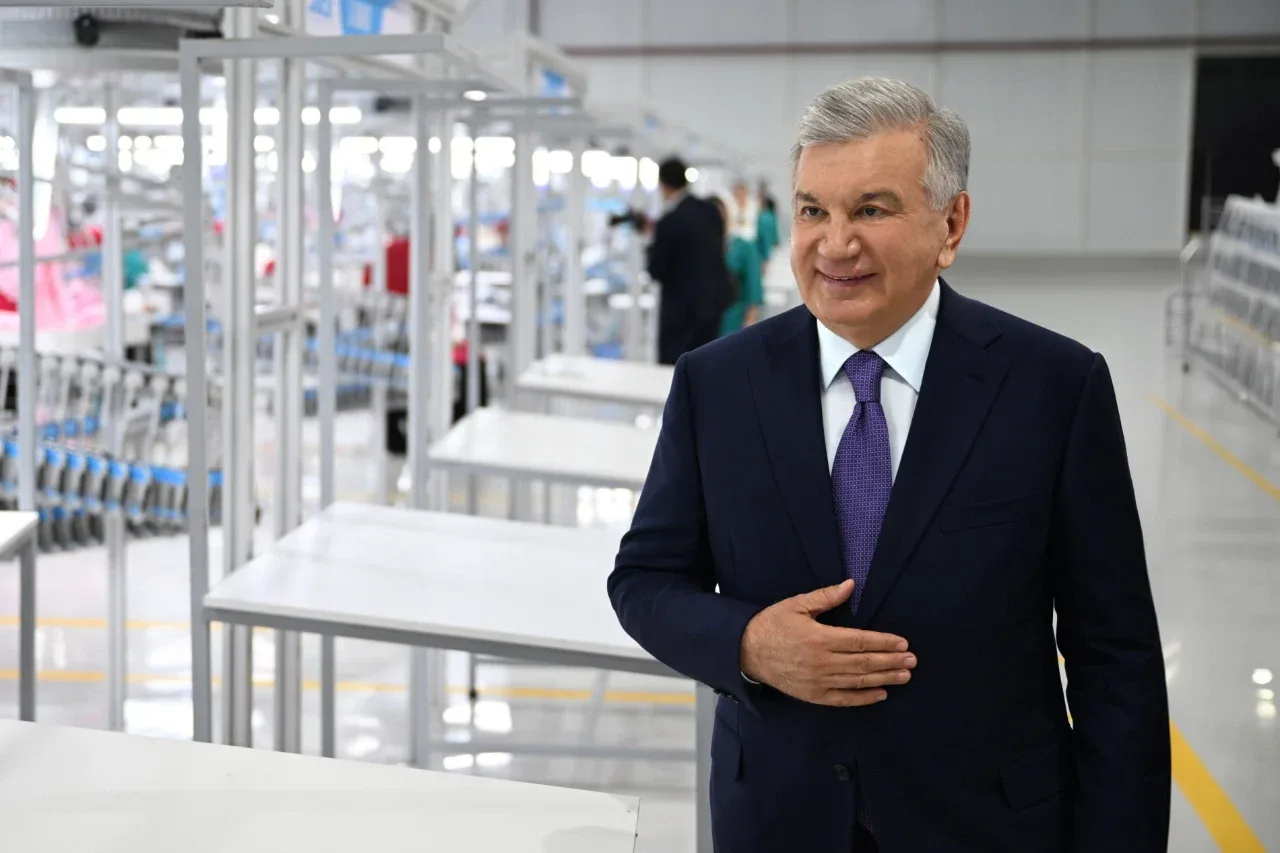
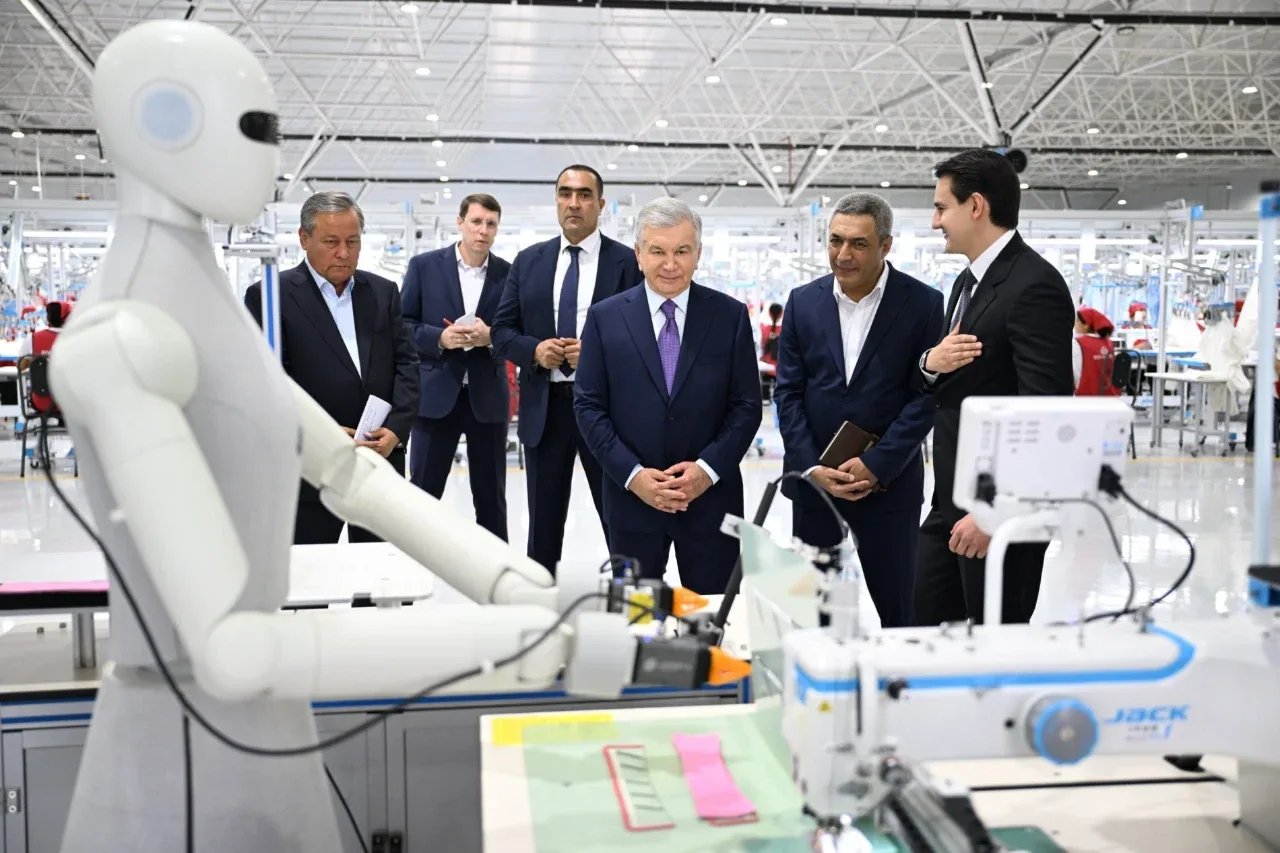
In Uzbekistan's light industry and textile sector, future technologies have moved into real-world practice, triggering an unprecedented technological revolution that is stunning the global market. As part of his visit to the Andijan region, President Shavkat Mirziyoyev personally inspected the operations of the newly established, high-tech knitwear manufacturing enterprise "Eco Cotton" in the Andijan district. Established in accordance with the Head of State's historic decree dated June 29, 2026, aimed at stimulating deep processing of cotton fiber, this complex received $10 million in direct investment from an entrepreneur and created 1,000 new permanent jobs. The most astonishing aspect of the enterprise is the integration of AI-controlled smart sewing machines and, on a trial basis, actual humanoid robots into the production line.
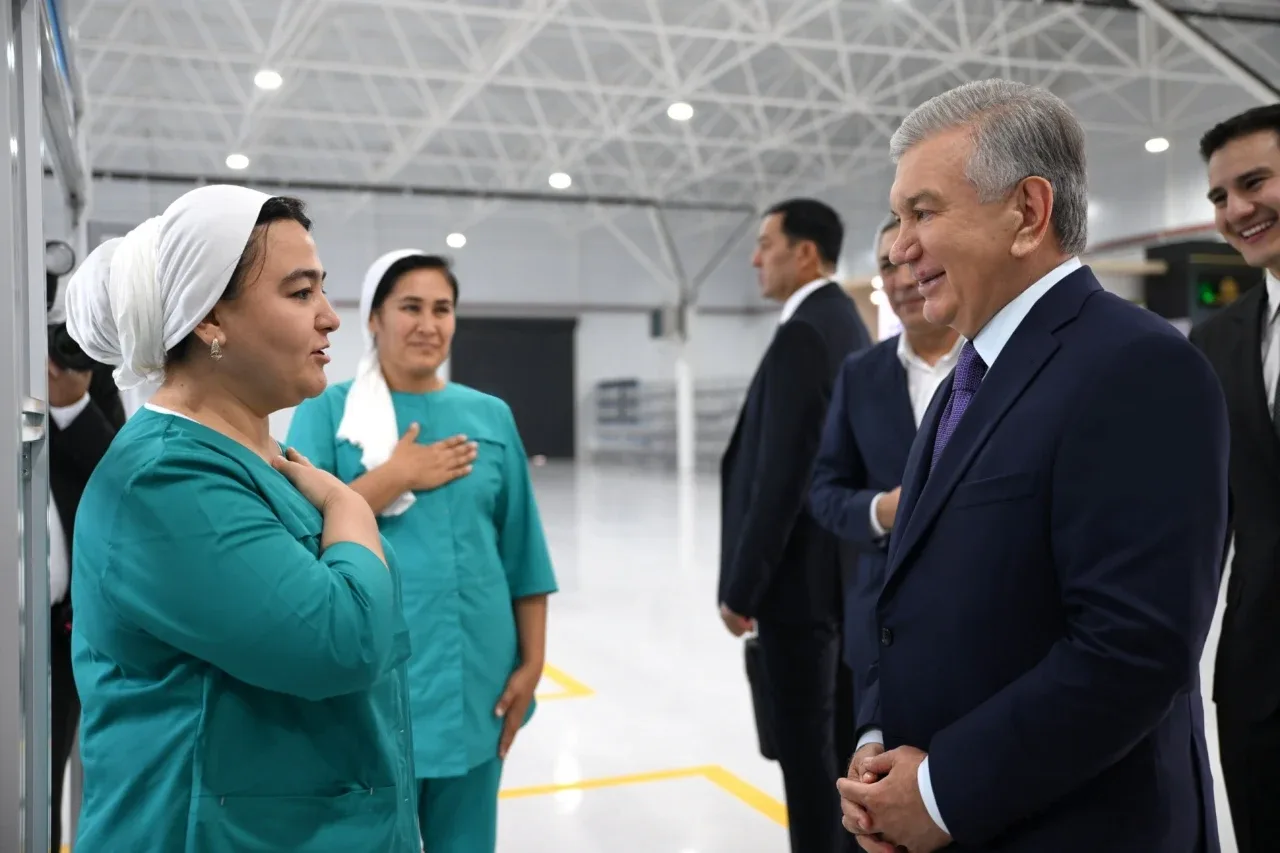
Artificial intelligence analyzes the type, thickness, and elasticity of the fabric in seconds, adjusting sewing stitches in real-time with flawless and microscopic precision. The enterprise has the capacity to produce 9.4 million units of 30 types of knitwear products worth 135.3 billion soums per year, and upon reaching full capacity, it will contribute 25 billion soums annually to the state budget. Additionally, the company has created an annual export potential of $10.5 million, with Andijan knitwear being exported to European and CIS markets, including Russia, Belarus, Kazakhstan, Kyrgyzstan, Romania, and Moldova.
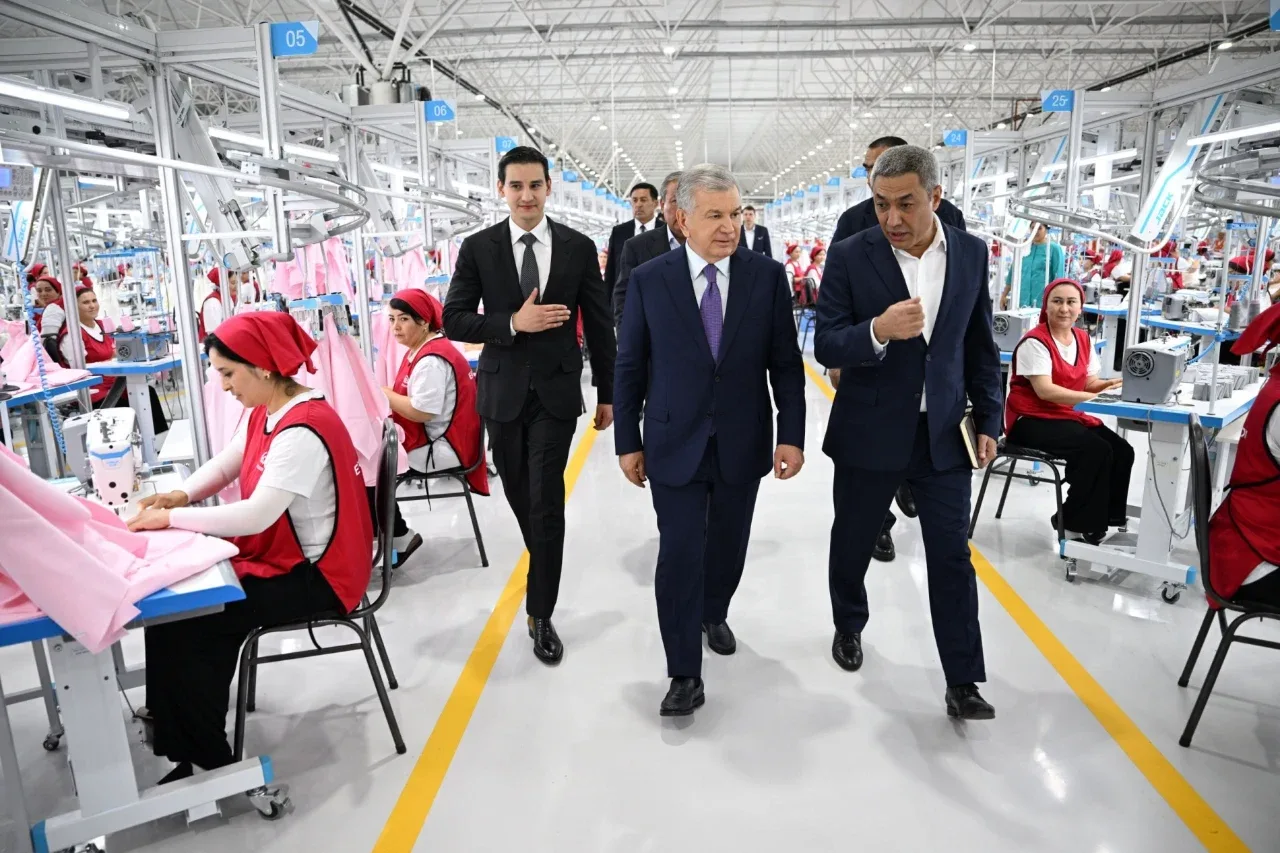
So, how will artificial intelligence and humanoid robots reduce the cost of Uzbek textiles, what competitive advantages will "Eco Cotton" have over textile giants in China, Turkey, and Vietnam, and how will dual education change the future of the youth?
"Humanoid robots, $10 million investment, and the European market": 5 key points of the enterprise
The most important facts and figures from the innovative textile cluster in Andijan:
Artificial intelligence and humanoid robots: The factory has introduced smart systems that adjust sewing stitches in real-time, as well as humanoid robots in a trial mode;
$10 million investment and 1,000 jobs: The project was financed by a private entrepreneur, providing 1,000 local residents with permanent, high-paying jobs;
$10.5 million export geography: In addition to CIS countries, the enterprise's products are being delivered to European Union members Romania and Moldova;
9.4 million units of products per year: The factory produces 30 types of finished knitwear worth 135.3 billion soums based on eco-friendly standards;
Dual education and 25 billion soum tax revenue: Once at full capacity, the enterprise will pay 25 billion soums annually to the budget and operate a personnel training system that combines theory with practice.
Analysis of the economic and technological indicators of the "Eco Cotton" enterprise
Key technical and economic parameters of the innovative textile factory:
Indicators and directions | Official parameters of the "Eco Cotton" enterprise |
Total investment in the project | 10 million US dollars |
Number of permanent jobs created | 1,000 jobs (local youth and women) |
Advanced technologies used | AI-powered machines, humanoid robots, Chinese digital conveyors |
Annual production volume | 9.4 million units of 30 types of knitwear |
Value of manufactured products | 135.3 billion soums |
Annual export potential | 10.5 million US dollars |
Main export markets | Russia, Belarus, Kazakhstan, Kyrgyzstan, Romania and Moldova |
Annual contribution to the state budget | 25 billion soums |
Personnel training model | Dual education system (combination of theory and production practice) |
Environmental policy | Zero-waste "green" processing and international environmental standards |
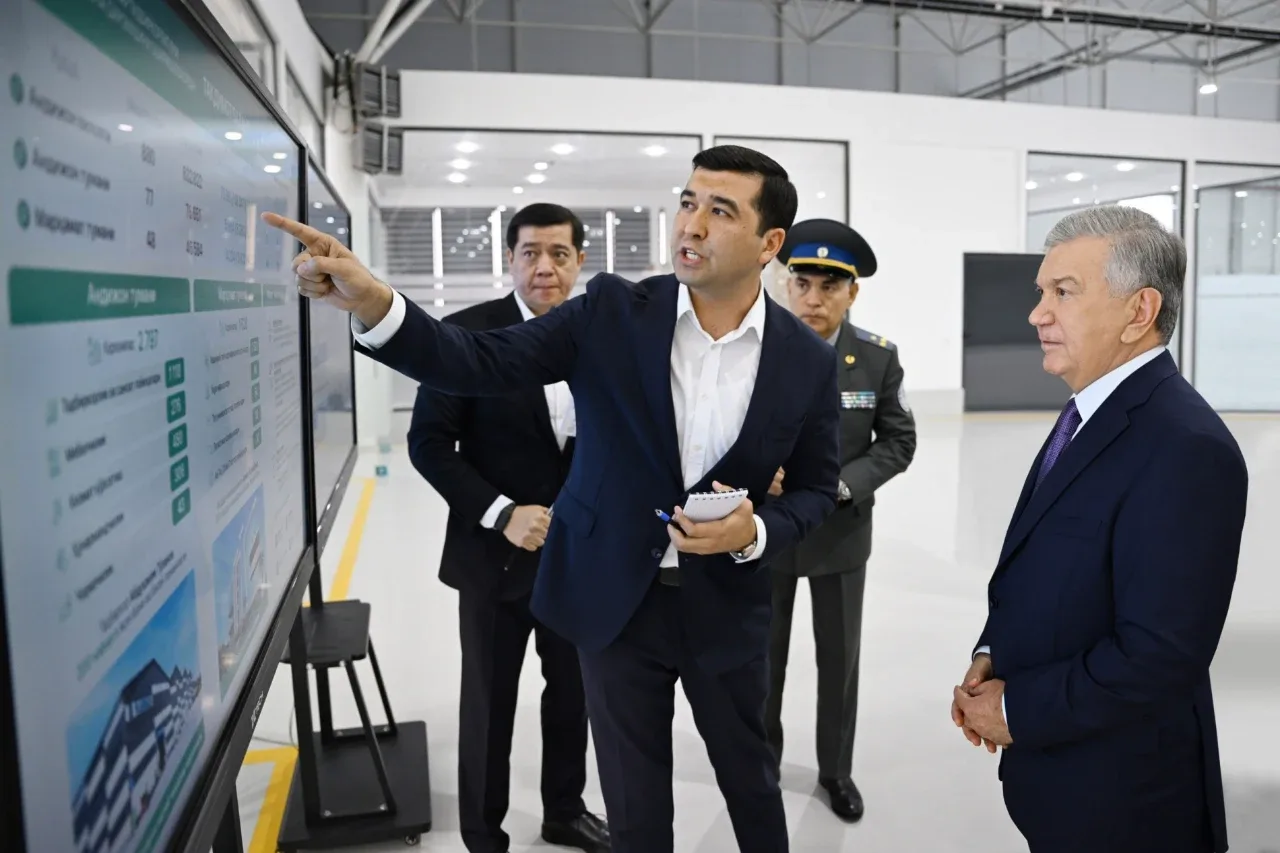
Expertise in industry and high technologies: Why is "Eco Cotton" a model for national industry?
Conclusions of economic analysts and textile engineers:
Artificial intelligence and the digitalization revolution: In textiles, increases in production costs and poor quality are often caused by the human factor (incorrect stitches, fabric tension); AI-controlled sensors see the microstructure of the fabric and correct thread tension in milliseconds — this reduces the share of defective products to almost zero;
Humanoid robots — the future of textiles: The trial use of humanoid robots on the conveyor belt proves that Uzbekistan's industry is no longer just a supplier of raw materials, but has moved to Industry 4.0 ("Fourth Industrial Revolution") standards;
Equal competition with Turkey, China, and Vietnam: Thanks to automated conveyors and local raw materials, the Andijan enterprise can easily compete with Asian and European textile giants by drastically reducing costs;
From raw cotton to a finished brand: Measures taken in our country to process 100 percent of cotton fiber domestically are forming competitive brands with high added value that can reach the European Union;
The practical power of dual education: Young people working in a robotic factory while studying theory helps cultivate a class of qualified modern engineers and operators.
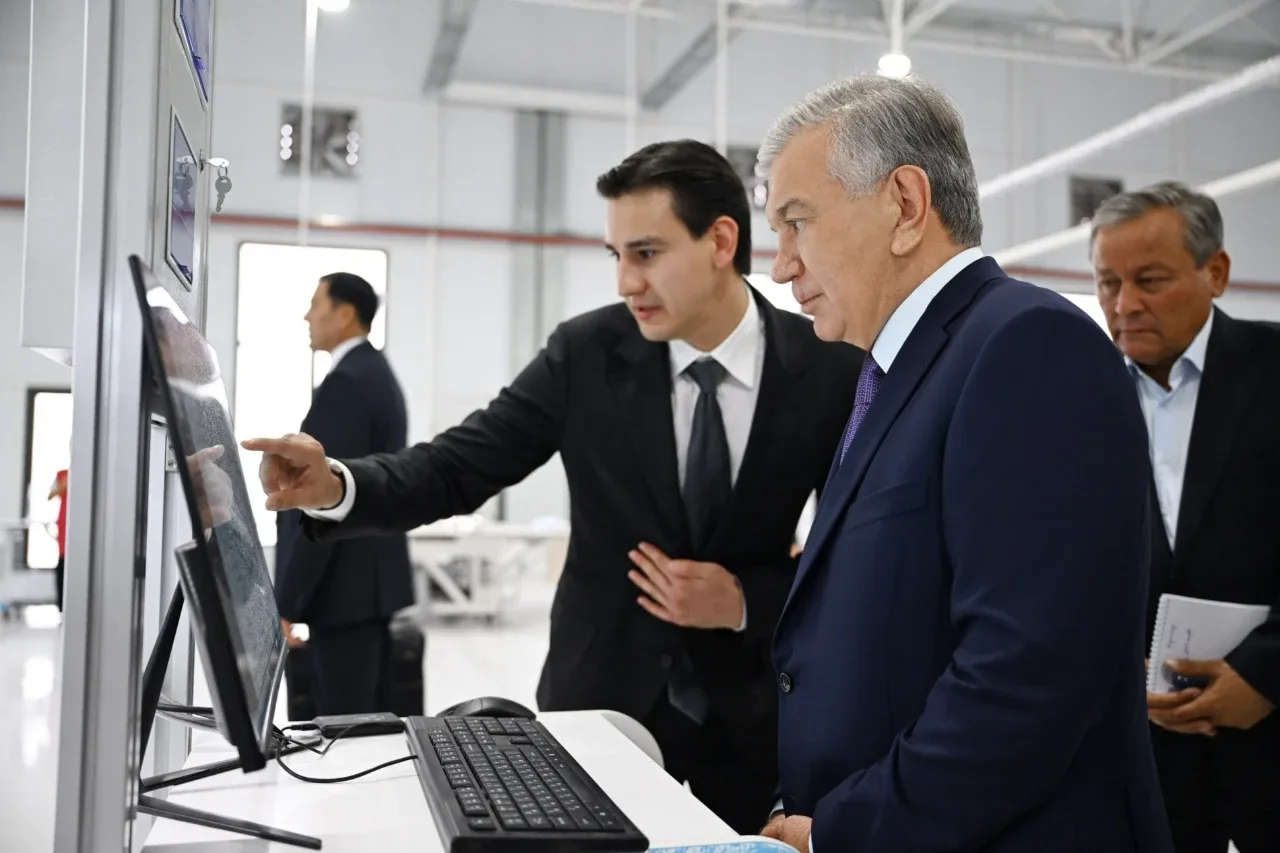
The "Eco Cotton" enterprise, inspected by President Shavkat Mirziyoyev, has become a shining example of how high intellect and innovation can turn national industry into a leader in the global market.
In your opinion, how much will the use of artificial intelligence and humanoid robots in Uzbekistan's light industry increase the position of our national products in the global market? Do you believe that enterprises in other regions should also fully transition to such smart automation? Leave your personal thoughts in the comments and share this article about this technological achievement in our country's industry with all your friends!



Comments 0
…