


President visits new 192-hectare ecotourism center in Asaka — The miracle of the "Vineyard"
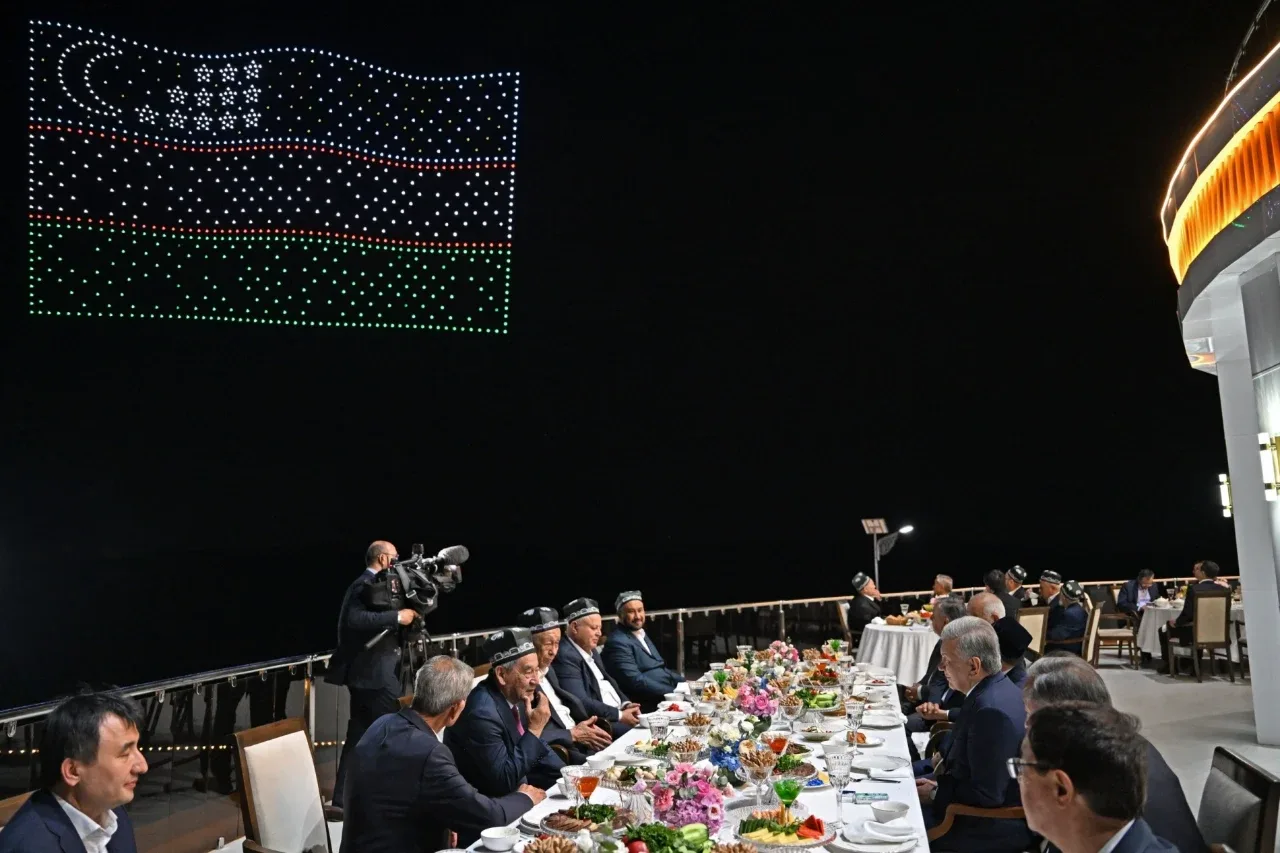
The picturesque nature, fresh air, and unique hills of Andijan region are turning into a new center of modern ecotourism. During his visit to the region, President Shavkat Mirziyoyev personally familiarized himself with the activities of a unique ecotourism and recreation complex built on a huge area of 192 hectares in the “Yangi hayot” area of Asaka district. Implemented on the direct initiative of the head of our state and the initiative of the Agribusiness Development Agency, this project with a total cost of 51.8 billion soums has quickly managed to become a favorite destination not only for locals, but also for foreign tourists. Built in the embrace of high hills, this eco-town offers a palm-like panoramic view of the entire Asaka district.

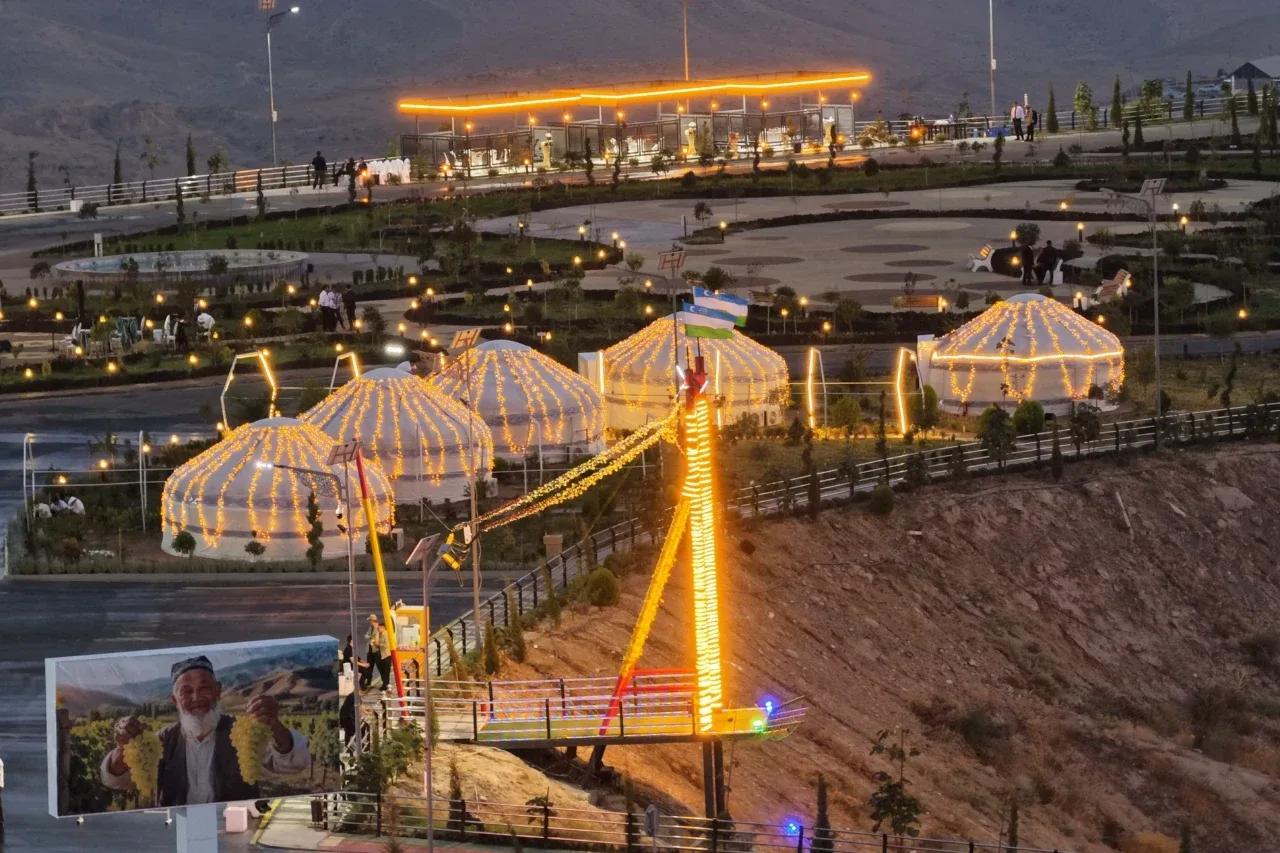
4 futuristic capsule recreation houses in a futuristic style, 5 national yurts combining ancient traditions, a family restaurant, attractions, and a green tree plantation on an area of 30 hectares have been created in the complex. In addition, a huge membrane water reservoir with a capacity of 14,000 cubic meters and a fully drip irrigation system have been introduced, and the direct export of products grown in this "Vineyard" to foreign countries is being established. When the project reaches full capacity, it is expected to provide 80 billion soums worth of services per year and ensure 3 billion soums in budget revenues. During the visit, the President spoke with regional activists and elders, and the evening was adorned with a bright drone show organized over the hills.
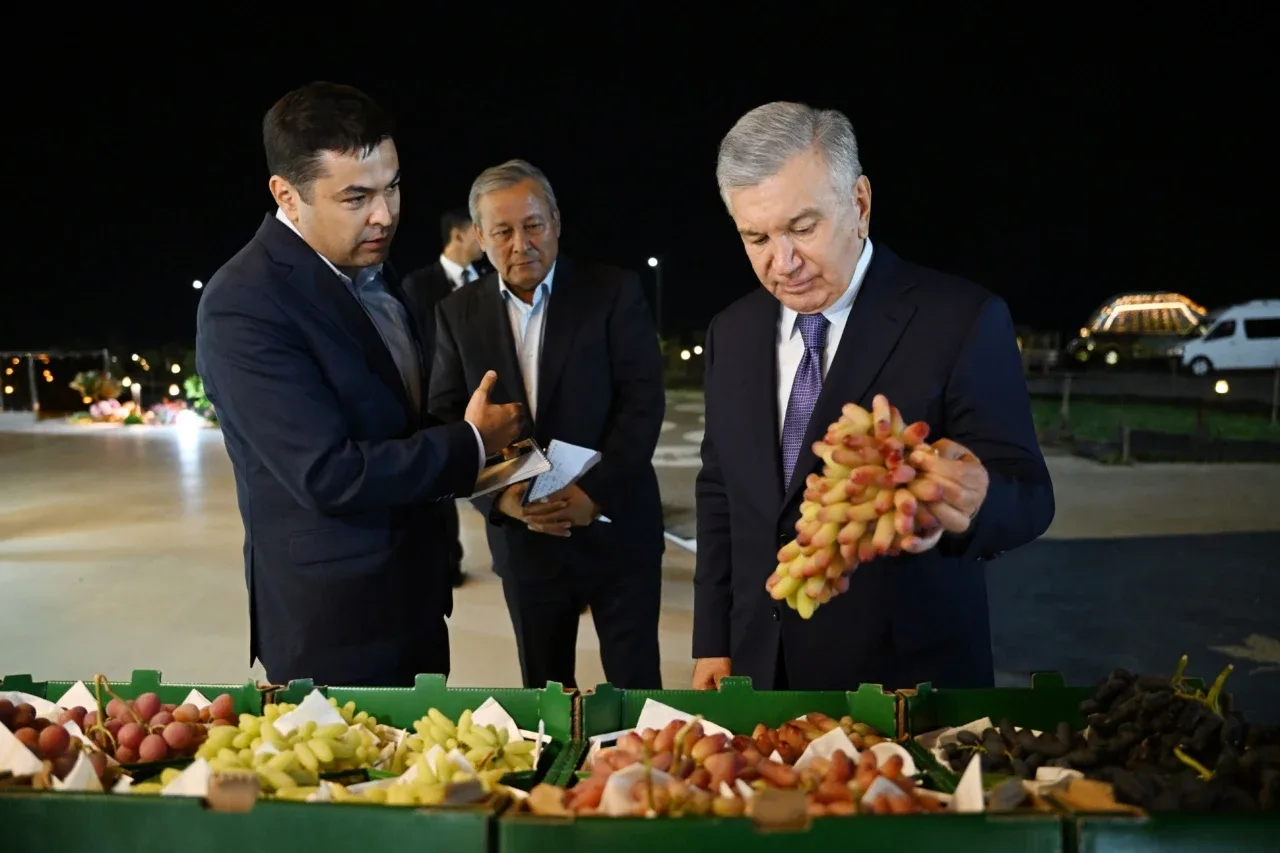
So, how will such innovative complexes in the hills transform Andijan tourism, how many jobs did the capsule houses and vineyards create for the local population, and why is this project assessed as an example of regional development?
"192-hectare panorama, 475 jobs, and 80 billion capacity": 5 main points of the Asaka project
Key indicators of the “Yangi hayot” ecotourism destination inspected by Shavkat Mirziyoyev:
192-hectare hill complex: A modern ecotourism area with views of the entire district was opened on the high hills of Asaka;
Capsule houses and national yurts: 4 futuristic capsule hotels and 5 national yurts were installed in the complex, combining modernity and national identity;
475 new jobs: 275 permanent and 200 seasonal jobs were created for the local population at the expense of the 51.8 billion soum project;
14,000 cubic meter water reserve and drip irrigation: To prevent water scarcity, a membrane reservoir was built, and the 30-hectare green park and vineyards were fully converted to drip irrigation;
80 billion soums of economic turnover per year: Once the complex is fully launched, 80 billion soums of services will be provided annually, 3 billion soums of taxes will go to the budget, and export-quality grapes will be grown.

Regional tourism and infrastructure: Comparison of traditional recreation areas and the Asaka eco-complex
Analysis of the touristic, economic, and technological advantages of the new project:
Criteria and directions | Conventional seasonal resorts and areas | Asaka "Yangi hayot" ecotourism complex |
Land area and concept | Standard zones in small, limited areas | Spacious 192-hectare hill, panoramic eco-concept |
Accommodation infrastructure | Ordinary buildings and standard rooms | 4 modern capsule houses and 5 national yurts |
Water and nature use | Open irrigation, water waste | 14,000 cubic meter membrane reservoir, 100% drip irrigation |
Integration with agriculture | Limited only to service provision | "Vineyard" complex and export of prime grapes |
Ensuring population employment | Few seasonal employees | Total of 475 (275 permanent + 200 seasonal) new jobs |
Volume of services | Limited income | 80 billion soums of services per year and 3 billion soums to the budget |
Entertainment program and technology | Standard musical performances | Family restaurant, attractions, and night drone show |

Eco-tourism and economic expertise: Why do eco-projects in the hills give a major boost to the valley economy?
Conclusions of tourism experts, urbanists, and economists:
Turning "unused hills" into a source of income: Asaka hills were previously considered pastures or idle land; bringing a 14,000-cubic-meter membrane water reservoir to such areas and creating vineyards and green gardens stops soil erosion and turns a vast territory into a multi-billion income-generating asset;
Capsule hotels and the "glamping" trend: Today's travelers prefer staying in cozy capsules and national yurts in nature rather than heavy concrete hotels; such a format attracts not only the population of the valley to Andijan, but also foreign tourists;
Combination of agritourism and export: This place is not just a recreation spot, but a major agricultural cluster; tourists can taste grapes right in the garden and rest, while the remaining high-quality products are sent directly for export, multiplying the project's profitability;
New jobs and social environment: Employment of 475 residents in a remote hill area serves as a stable source of income for families; the President's conversation with the elders and the drone show endowed the region with a new cultural spirit.

Shavkat Mirziyoyev's visit to the ecotourism complex in Asaka clearly proved that efficient and innovative tourism in the lap of nature in Uzbekistan will become an important locomotive of the national economy in the coming years.
In your opinion, should modern ecotourism destinations consisting of capsule houses and national yurts, like the one in the Asaka hills, be popularized in other mountainous and hilly regions of Uzbekistan? Personally, would you choose a traditional hotel for vacation or such futuristic capsules in nature? Leave your feedback in the comments and share the article dedicated to this new tourist center of our country with all travel enthusiasts!



Comments 0
…