


Shavkat Mirziyoyev inspects Xinjiang technology in Altynkul (video)
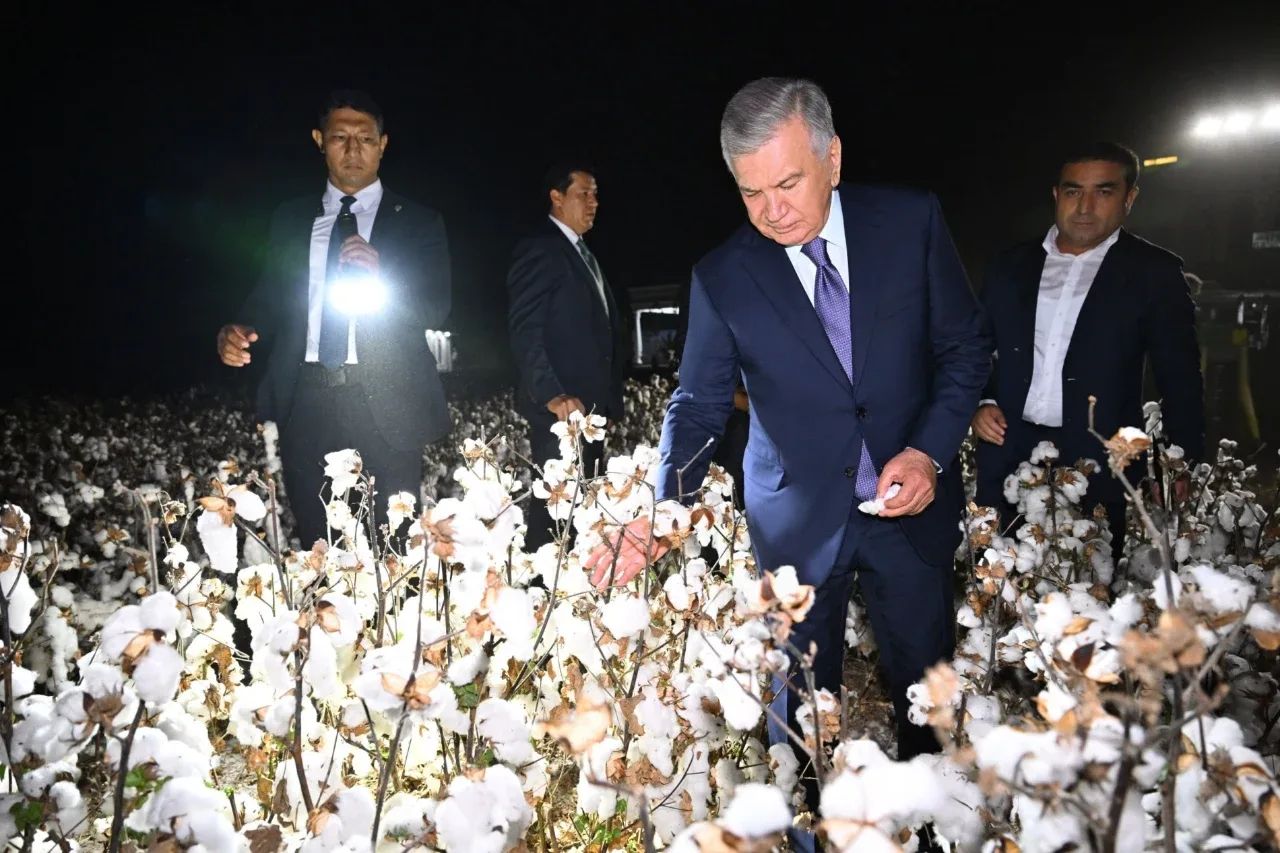
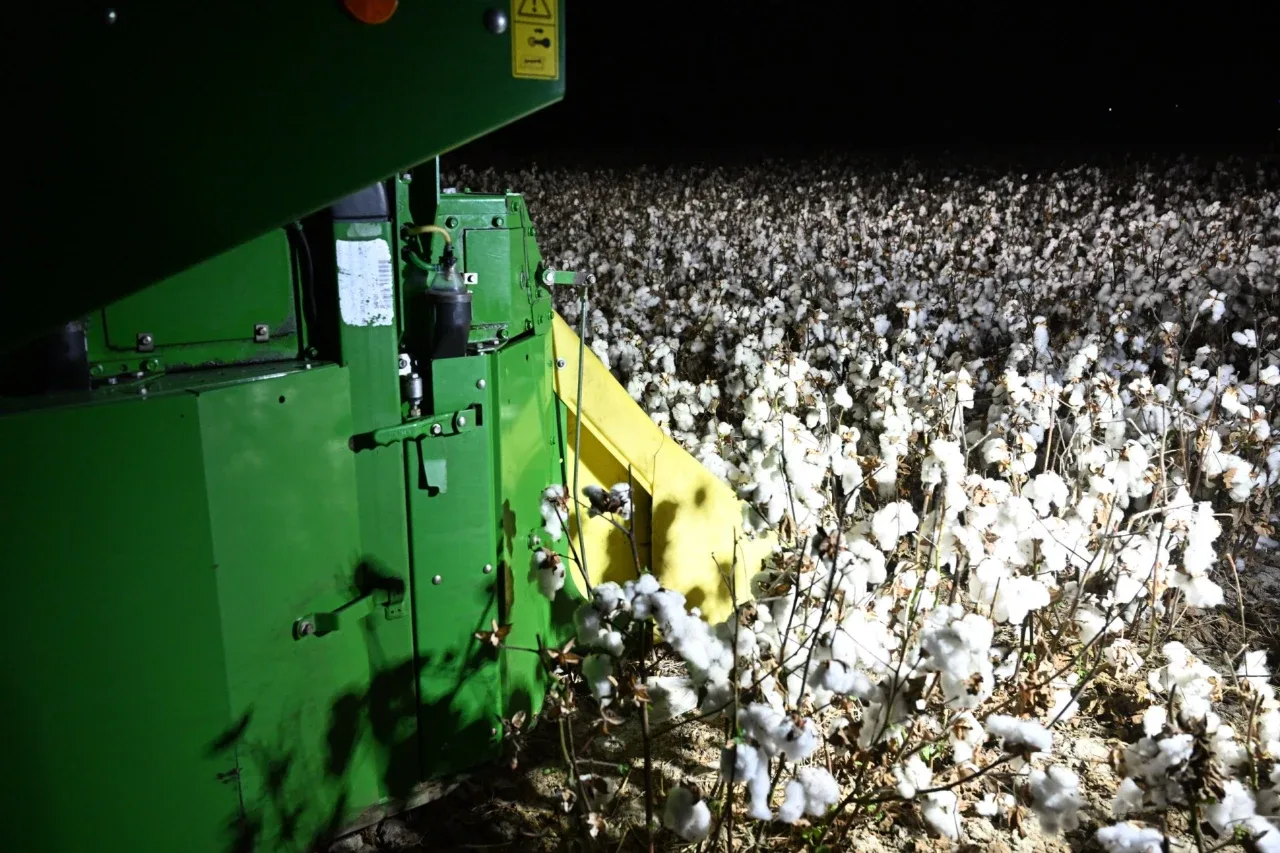
In the context of natural limitations of water resources and global climate change in Uzbekistan's agriculture, a fundamental turning point has begun to abandon traditional, high-cost methods of cotton growing. During his working visit to Andijan region, President Shavkat Mirziyoyev personally familiarized himself with the cotton cultivation process based on the advanced Xinjiang method at the "Agrocluster Altynkul" enterprise located in Altynkul district. Implemented within the framework of the head of state's historical decree dated December 9, 2025, aimed at increasing productivity in cotton and grain growing, this agro-innovation has demonstrated an unprecedented economic and technological leap in the fields.
Out of the cluster's total crop area of 850 hectares, the Xinjiang technology was initially introduced as an experiment on 23 hectares. The results are astonishing specialists: while the usual traditional method yielded 30–35 centners per hectare, the new system doubled the productivity, reaching 60–70 centners. In addition, thanks to double-row planting under plastic film and a direct root drip irrigation system, water is saved by up to 40 percent, mineral fertilizers by nearly 30 percent, and the crop ripens 10–15 days earlier than usual. The implementation of agrotechnical measures and spraying via agrodrones has sharply reduced fuel and heavy machinery consumption.
So, how does the Xinjiang method halve the cost of cotton production, how do drip irrigation and plastic film ensure a 70-centner yield, and why will this experience be spread to cotton fields throughout the republic?
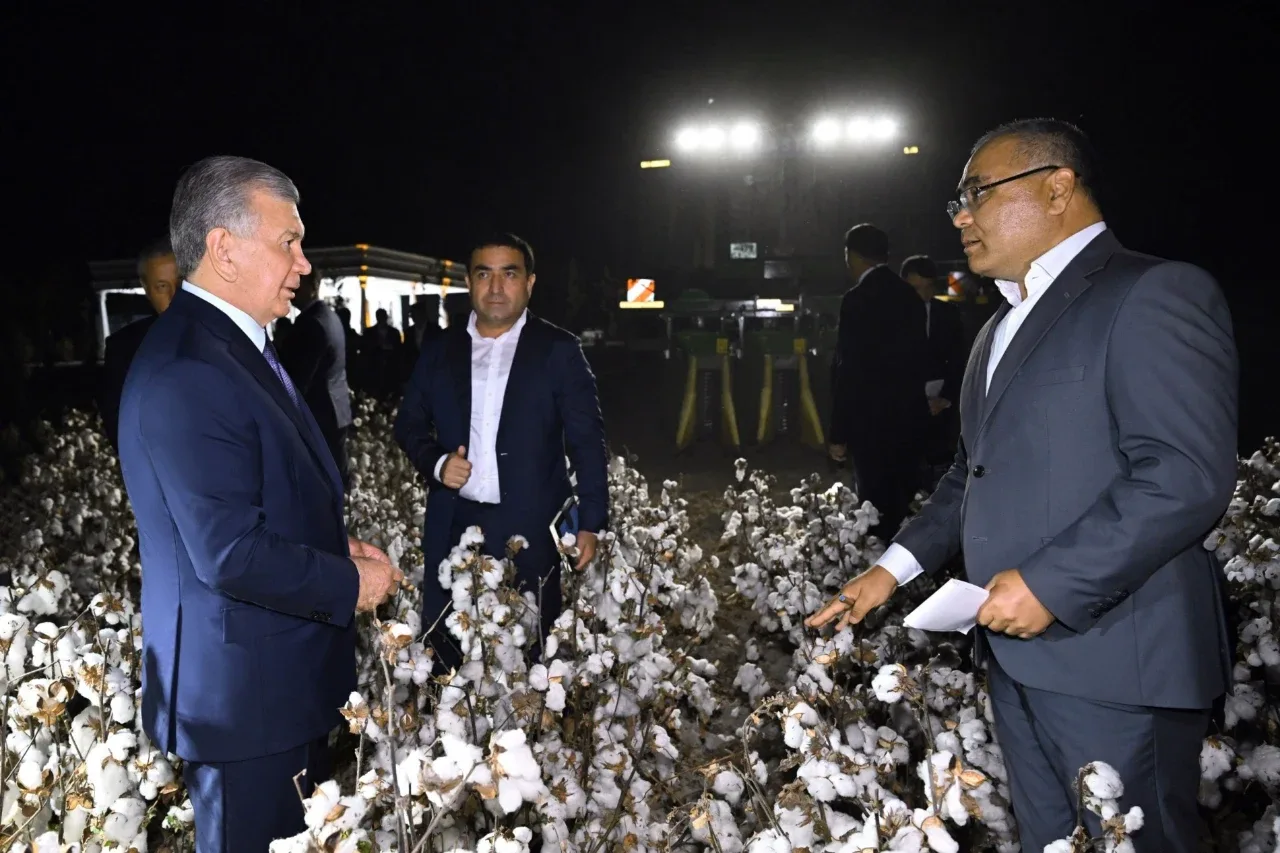
“70-centner yield, 40% water savings, and agrodrone flights”: 5 key points of the Altynkul experience
The most important technological achievements and indicators reached in the fields of "Agrocluster Altynkul":
Productivity jumped 2-fold: Instead of the traditional 30–35 centners, Xinjiang technology provides the treasury with 60–70 centners of cotton per hectare;
Record savings of water and fertilizer: Through drip irrigation and direct root feeding, water consumption was reduced by up to 40%, and mineral fertilizers by up to 30%;
Double-row planting under plastic film: Soil moisture and temperature are moderately maintained, seeds germinate evenly, and the crop is harvested 10–15 days earlier;
Agrodrone control in the sky: Agrotechnical measures and the fertilization process are carried out via unmanned aerial devices (drones), sharply reducing fuel costs;
850-hectare cluster foundation: The project was successfully tested on 23 hectares, and a plan to expand it to all 850 hectares and neighboring areas was presented.
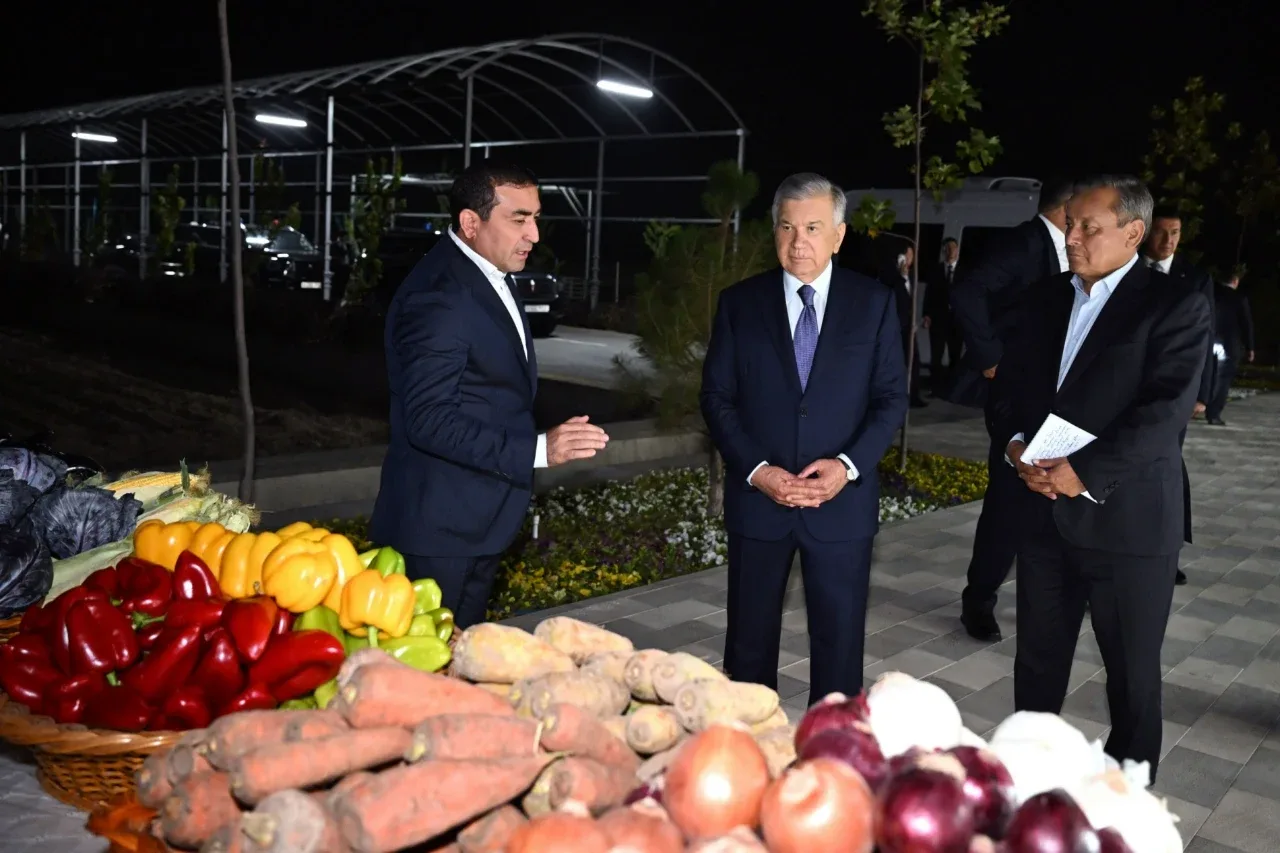
Revolution in cotton growing: Comparison of traditional planting and the innovative Xinjiang method
Comparative analysis of agrotechnical indicators, resource consumption, and economic benefits:
Criteria and parameters | Traditional open-air cotton cultivation | Xinjiang method at “Agrocluster Altynkul” |
Yield per hectare | Average 30–35 centners | 60–70 centners (2 times higher productivity) |
Sowing technology | Traditional single-row planting in open soil | Double-row placement under special plastic film |
Irrigation method and water consumption | Furrow irrigation (much water evaporates and is wasted) | Root drip irrigation (water saved up to 40%) |
Mineral fertilizer consumption | Broadcasting method (few parts reach the root) | Fertigation / drip feeding (fertilizer saved up to 30%) |
Crop ripening period | Usual late autumn season | Ripens 10–15 days earlier due to microclimate |
Agrotechnical processing | Heavy tractors, high fuel, and soil compaction | Precise spraying via agrodrones (minimal fuel consumption) |
Agro-economic and technological expertise: Why is the Xinjiang method vitally necessary for Uzbekistan?
Conclusions of agricultural experts, scientists, and economists:
A lifesaving shield under water scarcity conditions: At the current juncture, when the water level in the Aral Sea basin is dropping and every drop of water is worth its weight in gold during the vegetation period, furrow irrigation of cotton was a huge loss; drip irrigation and plastic film in the Xinjiang method prevent water from evaporating, allowing twice as much cotton to be grown with 40 percent of the water;
«Microclimate» effect and escaping autumn rains: Constant heat is maintained in the soil under the plastic film; this ensures that the seeds sprout quickly without rotting and the harvest opens 10–15 days earlier — as a result, the cotton is harvested with high quality during the first picking, without being left to rain and cold;
Decrease in cotton cost price and textile export: Harvesting 60–70 centners per hectare significantly reduces the internal cost price of raw cotton; this strengthens the competitiveness of Uzbekistan's textile and garment industry on the world market;
Entry of agrodrones into the field: When heavy tractors entered the field, they compacted the soil, hindered the development of cotton plants, and consumed tons of diesel; chemical treatment using unmanned devices not only saves fuel, but also prevents chemical agents from being wasted in vain.
Shavkat Mirziyoyev's instructions on expanding this advanced experience in Altynkul will serve as an important foundation for transforming Uzbekistan's cotton industry into a fully innovative, highly profitable, and strictly resource-saving new industry.
In your opinion, to what extent will the full introduction of the Xinjiang method, which yields up to 70 centners per hectare and saves 40 percent of water, to all cotton fields of Uzbekistan increase the income of our dehkans and farmers? Personally, how do you assess the use of agrodrones in district fields? Leave your feedback in the comments and share the article dedicated to these revolutionary changes in our agriculture with all your farmer and entrepreneur friends!



Comments 0
…