


After Maduro's arrest, collectivos control in Caracas sharply increased...
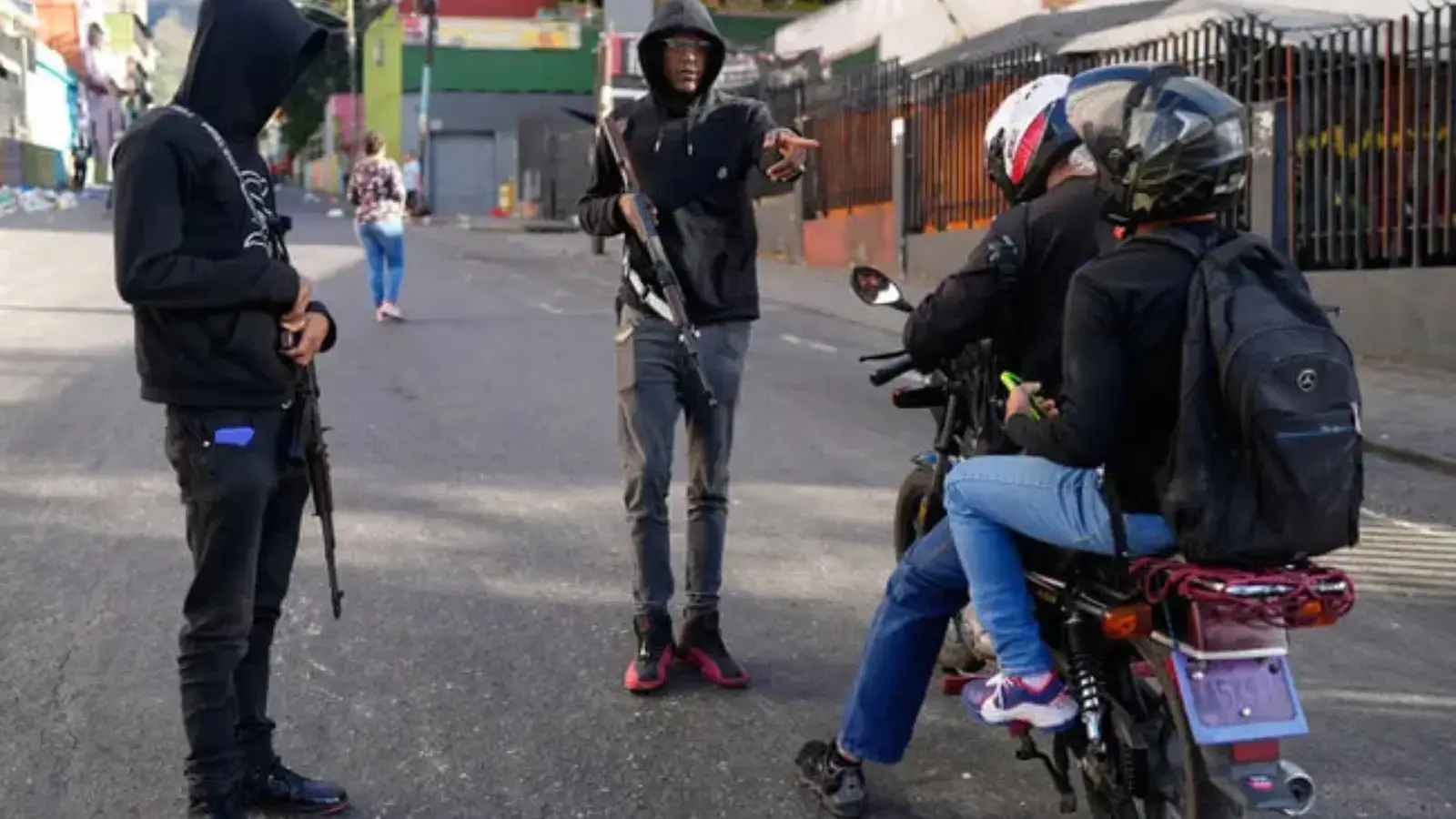
After reports of US special forces capturing Venezuelan President Nicolas Maduro, life in Caracas quickly took on a different rhythm. It is said that the country's new management system, led by Vice President Delsi Rodriguez, has transitioned to "strict order": patrols have increased on the streets, checkpoints have been set up, and inspections have been intensified. According to foreign media, temporary leadership in Venezuela also passed into Rodriguez's hands.
Street checkpoints: inspections, searches, and phone surveillance
Reports circulated around the capital and major cities about passenger stops, car inspections, and in some cases, phone checks. According to official interpretation, the goal is to identify those who "helped" in US practice. There is also information about the detention of some opposition activists and journalists.
The most noteworthy aspect: it is mentioned that not only the military and police, but also collectives were involved in these patrols. Kolektivos, known as armed groups close to the government, are structures that have "made a name" for many years with instances of violence against the opposition during demonstrations and election campaigns.
Who are the collectives and why are they afraid of them?
In Venezuela, collectivos is understood not as a single centralized organization, but as a collection of different groups. It is said that they usually performed the task of protecting the regime, establishing control on the street, and "cooling down" the mood of discontent. Therefore, today's inspections are perceived not as a simple security measure, but as a signal to society that "no one can move freely."
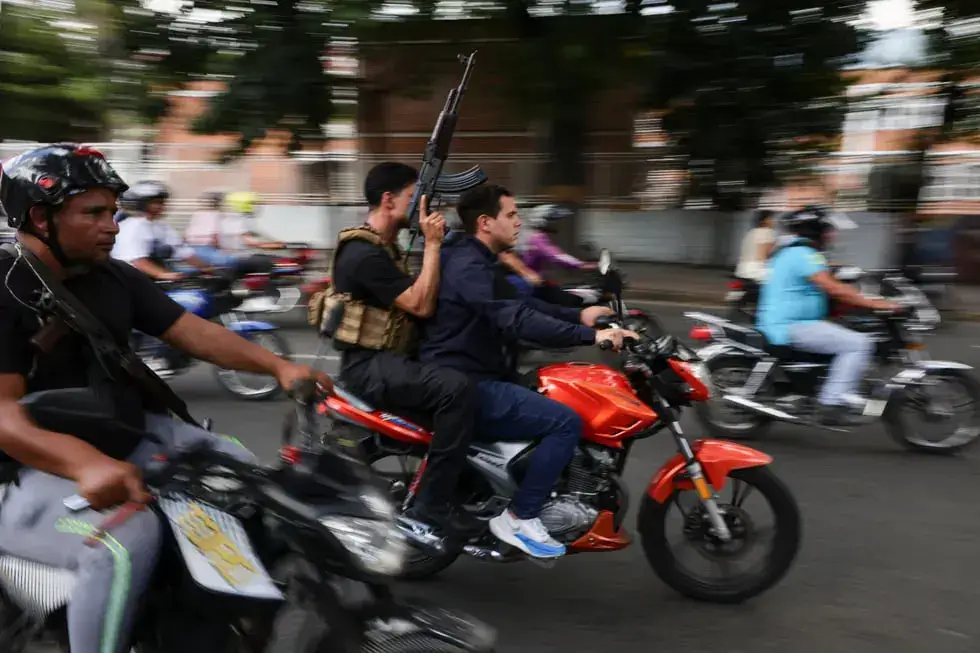
Collectives on the streets of Caracas. Photo: Jesus Vargas / Getty Images
It is noted that the activity of security forces has also increased around the Miraflores Palace in the center of Caracas. It is analyzed that Maduro has been seen more recently not at the palace, but in the area of the Fuerte-Tiun military base south of the capital, and there have been strikes and operations in this direction as well.
Drone incident: "own" danger
The tight control on the streets sometimes causes misunderstandings. For example, there were rumors that shots were fired at drones flying near Miraflores, and then it turned out that they were police drones. This situation itself shows how nervous and overly controlled the situation is.
Holiday in the diaspora, silence and anxiety within the country
The Venezuelan diaspora in Colombia, the USA, and other countries reportedly welcomed the news of Maduro's arrest with street celebrations. In Venezuela itself, such mass joy was not observed. The reason is simple: the regime's mechanism is in place, but it has lost its highest point - its sole leader. The remaining "suppression apparatus" is working.
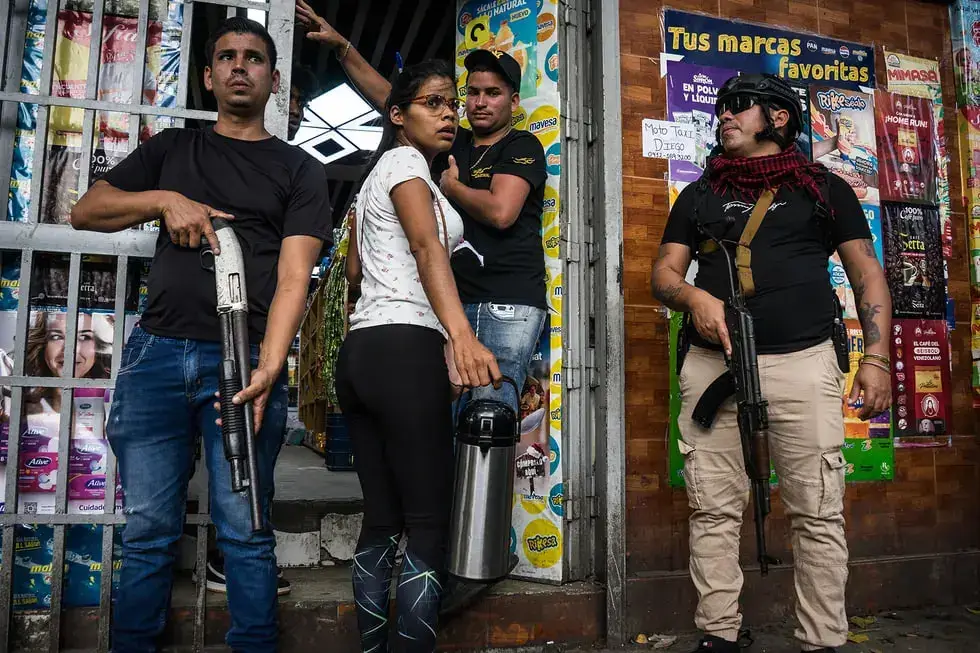
Members of the collectivos guarding the entrance to the Caracas market. January 4, 2026
Boris Vergara / Anadolu / Getty Images
Moreover, even among those dissatisfied with Maduro, a mood of anxiety, distrust, and uncertainty prevails over joy. Foreign analysts note that Venezuela is approaching a dangerous situation similar to a "powder barrel," as the interests of various armed groups may clash.
There were small promotions, but the directions were different
There are reports of street protests in Caracas and other cities, but they are said to have been local, few in number. Interestingly, some of the shares were held against US interference in Venezuela's internal affairs. It is noted that these rallies were also closely monitored by the police, military personnel, and collectives.
Economic front: restrictions, panic, and reduced activity
It is said that the stores are operating with restrictions, and in the first days, people panicked and tried to "fill" the warehouse. There are fewer people than usual in cafes and public places. There are also reports of power and water outages in some regions, as well as problems with mobile communications - this can be attributed to both external shocks and the accumulated consequences of a crisis that has lasted for years.
What will people say? The main feeling is "misunderstanding"
The mood of ordinary people on the street can be expressed in one word: uncertainty. The question "What will happen?" stands behind every sentence. Although the regime seems to have changed, trust is not emerging in society because many things remained the same.
Conclusion
The news of Maduro's arrest is a big signal not only for Venezuela but also for the political balance in the entire region. In Caracas, for now, the main picture is one: strong control, dense patrols, reduced movement, and a heavy question in people's hearts - what will happen tomorrow?



Comments 0
…