


The World's Most Exemplary Roads and Modern Industry Trends
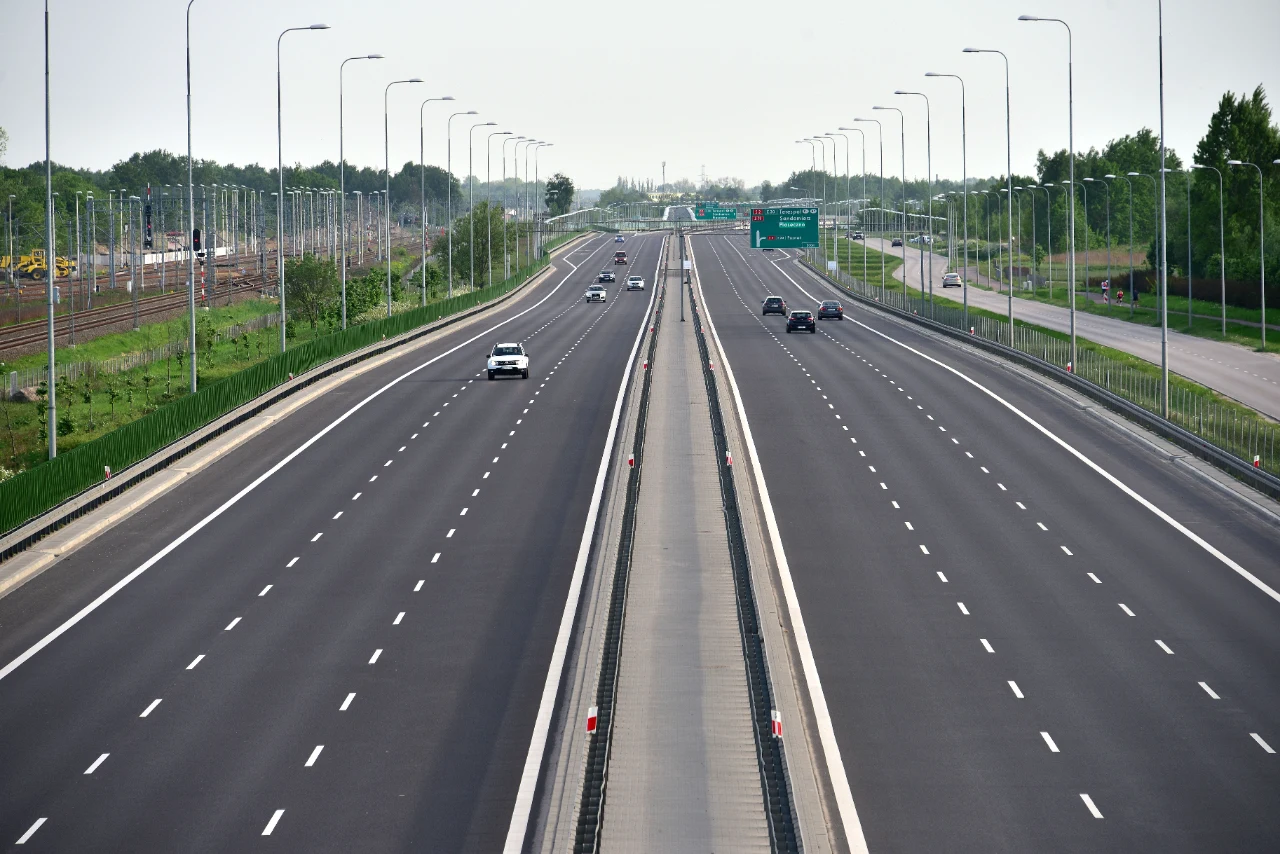
One of the main factors reflecting a country's economic potential, culture, and public safety level is undoubtedly its roads. The quality of road surfaces directly impacts the number of traffic accidents and human lives. Conclusions from a special scientific study conducted by the Norwegian Institute of Transport are sobering: the risk of accidents on uneven, pothole-ridden roads is approximately 20 percent higher than on smooth, high-quality highways.
Singapore — The absolute leader in road quality on the planet
According to the World Population Review, Singapore has held the top spot in road infrastructure for many years. International experts rely on three main criteria when assessing the road quality index:
General condition and smoothness of the road surface;
Excellence of night lighting systems;
Modern infrastructure along highways.
In this tiny island nation, you will hardly find a single faulty or dilapidated road. Local road services regularly carry out maintenance and preventive work. Last year alone, the state budget allocated 12 billion dollars for these purposes. Most notably, Singapore's roads are equipped with intelligent "smart" management systems. As a result, despite high population density and excessive vehicle numbers, traffic jams are almost non-existent on the country's streets.
Switzerland: Every tunnel and bridge under strict control
Switzerland, nestled in the Alps, rightfully holds second place in the global ranking. Thanks to high quality standards and systematic monitoring, this country has created one of the most exemplary road networks in the world. In the current year 2026 the government allocated over 4 billion dollars for road maintenance and modernization. These investments are mainly spent on building new routes, operating existing ones, and modernization.
The control system in Switzerland is extremely rigorous and precise: truck weights and traffic safety are strictly monitored. Special services work based on a pre-established schedule. Roads, underground tunnels, bridges, and safety systems are systematically inspected before reaching a stage of serious damage, and even minor defects are immediately eliminated.
Eco-friendly asphalt and innovations: The European Union experience
Today, one of the most modern criteria for the road quality index is their environmental friendliness. European Union countries are setting an example for the whole world in this regard. European engineers actively use recycled construction waste, old concrete, and even secondary plastic raw materials in asphalt laying and reconstruction works. This method reduces the carbon footprint while significantly lowering construction costs.
Another revolutionary trend in road construction is low-temperature or warm asphalt technology. In this process, the chemical mixture is prepared and laid at temperatures between 110 and 130 degrees. This is 20–30 degrees lower than traditional hot asphalt. This technology saves fuel energy, reduces harmful gas emissions, and most importantly, allows for high-quality road construction even in cold weather conditions.
Countries like the Netherlands, Sweden, and Denmark are successfully implementing such advanced and innovative approaches. Unfortunately, such green projects are very slowly developing in underdeveloped countries in Africa and South Asia. The main obstacles are limited local budgets and the lack of waste recycling infrastructure.
In your opinion, which foreign experience (e.g., plastic-mixed asphalt or intelligent control) should be used first to extend the service life of roads in Uzbekistan?



Comments 0
…