


Peace agreement between Washington and Tehran expected to be signed
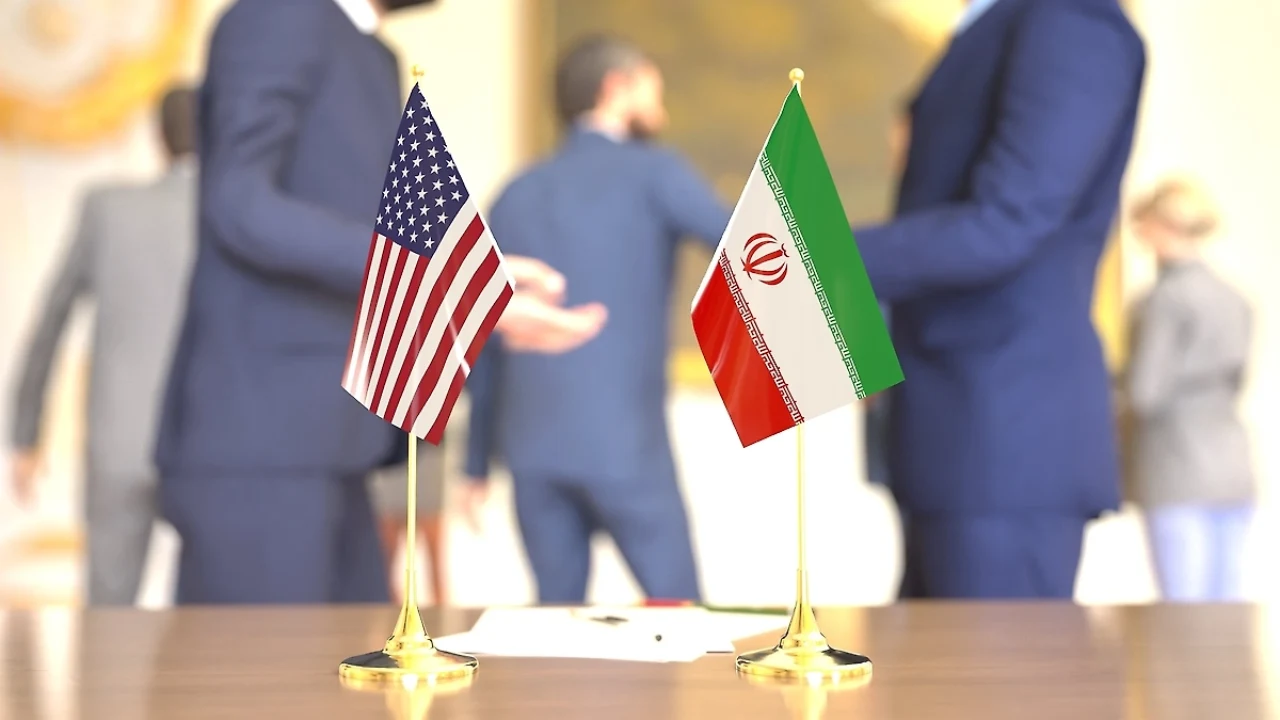
After years of geopolitical tension and armed conflict, a long-awaited breeze of peace has finally begun to blow in the Middle East. For several weeks, international mediators have been working intensively with Iranian and US leadership to craft a preliminary peace agreement that could put a complete end to hostilities.
Although previous attempts failed due to both sides accusing each other of stalling and misinterpreting terms, the situation has now shifted positively. Diplomats note that the prolonged disputes were exhausting both sides and fueling further clashes. However, a new memorandum of understanding is currently under intense discussion, with both the White House and Tehran nearing an agreement.
The world-renowned New York Times has revealed the most important and welcome details of this historic document, which we have been eagerly awaiting and which promises to bring stability to the region.
Weapons fall silent: A hopeful 60-day truce
The draft memorandum under discussion strictly defines the terms of a non-aggression pact between Washington and Tehran. Most encouragingly, this agreement has a broad regional scope, including the cessation of bloody fighting in Lebanon. It is known that although a ceasefire was officially declared there, Israeli and Hezbollah forces had been regularly violating it.
Sources indicate that this initial agreement provides for a complete cessation of military operations for an initial period of 60 days. This two-month window will allow both sides to work on a comprehensive peace treaty in a peaceful environment without pressure, with the possibility of extending the term. The negotiations are being conducted with the active mediation of Pakistan and Qatar.
Strait of Hormuz to reopen for commercial vessels
Following military clashes that began in February, Iran closed the Strait of Hormuz, a vital artery of the global economy. In response, the US Navy imposed a blockade on energy facilities in the Gulf. It is worth noting that before the war, nearly one-fifth of the world's oil and gas products were transported through this strait.
Under the new peace plan, this strategic waterway will be immediately reopened to international shipping. The US will gradually ease its naval blockade based on Iran's progress in clearing mines from the strait. Tehran has agreed to restore maritime traffic to pre-war safety levels within 30 days. President Donald Trump emphasized that this international waterway must remain open to all without any tariffs or additional fees.
$300 billion investment fund for the Iranian economy
The most surprising and welcome news for the international community in the document is the establishment of a special international investment fund for Iran. Iranian officials and diplomats are calling this project a major $300 billion 'reconstruction program.' Tehran had previously demanded compensation for damages caused by bombings.
Cooperation in the construction sector: This unique idea is supported by Trump's special envoy for the Middle East, Steve Witkoff, and his son-in-law, Jared Kushner. These figures, considered experienced investors, plan to implement major real estate projects in Tehran once peace is established. Furthermore, major US oil and energy corporations are expected to invest directly in the Iranian market.
Nuclear issues to be resolved peacefully
In the second phase of the agreement, the issue of diluting or sending to a third safe country, under the supervision of international inspectors, Iran's stockpile of nearly 450 kg of highly enriched uranium and another 10 tons of lower-grade nuclear material will be discussed.
Obligations during the agreement period | |
Iranian side | Will completely halt its nuclear program in exchange for Washington's promise not to increase sanctions. |
US side | Depending on positive results, will gradually lift economic sanctions that have been in place against Iran for years. |
Billions in frozen assets to be released
Under the new memorandum, nearly $24 billion of Iran's assets frozen in foreign banks are expected to be released in stages. To avoid the impression that the US is giving direct cash to Iran, President Donald Trump proposed a plan to release these funds gradually through third-party financial systems, particularly Qatar.
Once this historic memorandum is definitively approved by Donald Trump, a new era of peace will begin in the Middle East, ending years of war. Stay tuned with us for the most important and peace-loving news from the international arena, dear readers! Stay with us!



Comments 0
…